>
Siluriformes (Catfishes) >
Siluridae (Sheatfishes)
Etymology: Wallago: wallago;Bleeker, in 1851, took the Indian fish name, gave it generic range and used it connection with a new species. The name is "walaga" in Telugu / Tamil (Ref. 45335).
More on authors: Bloch & Schneider.
ສະພາບແວດລ້ອມ: ສະພາບແວດລ້ອມ / ເຂດດິນຟ້າອາກາດ / ລະດັບຄວາມເລິກ / ຂອບເຂດການແຈກຢາຍ
ນິເວດວິທະຍາ
; ນ້ຳຈືດ; ນ້ຳກ່ອຍ ອາໄສຢູ່ໃກ້ໜ້າດິນໃຕ້ພື້ນທ້ອງນ້ຳ; ກຸ່ມຫຼືຊະນິດປາທີ່ມີການເຄື່ອນຍ້າຍພາຍໃນນ້ຳຈືດ (Ref. 37770). Tropical; 22°C - 25°C (Ref. 2060); 38°N - 10°S
Asia: Pakistan to Viet Nam and Indonesia. Reported from Afghanistan (Ref. 39701). Lower risk - near threatened status in Western Ghats, India (Ref. 44149).
ຂະໜາດ / ນ້ຳໜັກ / ອາຍຸ
ການຈະເລີນເຕັມໄວ: Lm ? range ? - ? cm
Max length : 240 cm TL ຕົວຜູ້/ບໍ່ມີເພດ; (Ref. 6028); common length : 75.0 cm TL ຕົວຜູ້/ບໍ່ມີເພດ; (Ref. 6028)
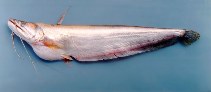
ຄີຫຼັງຂອງປາ (ຄີອ່ອນ) (ທັງໝົດ) : 5; ຄີກົ້ນຂອງປາ: 77 - 97. Head broad, snout depressed. Body elongate, strongly compressed. Mouth very deeply cleft, its corner reaching far behind eyes. Teeth in jaws set in wide bands; vomerine teeth in two small patches. Barbels two pairs; maxillary barbels extending to anterior margin posterior of anal fin, mandibulary barbels to angle of mouth. Eyes small, with a free orbital margin. Dorsal fin small, anal fin very long (Ref. 4792). Mandibular barbel longer than pelvic fin; 24-30 gill rakers on the first arch (Ref. 12693). Eye in front of vertical through corner of mouth (Ref. 43281).
Body shape (shape guide): elongated.
Found in large rivers, lakes and tanks. A large, voracious and predatory catfish which thrives in heels with grassy margin (Ref. 6028); mostly hides under holes in river banks and canals (Ref. 44149). Associated with deep, still or slow-flowing water with a mud or silt substrate (Ref. 6028). Sluggish and stays on muddy or silty bottom in search of food. Juveniles feed mainly on insects; adults feed on smaller fish, crustaceans, and mollusks. Oviparous, distinct pairing possibly like other members of the same family (Ref. 205). Abundant during the warm season; a pre-monsoon summer breeder. In the Mekong, it is reported to migrate to smaller streams, canals and to the floodplain during the flood season (Ref. 37770). When the water level in the Mekong drops and the flood recedes, it moves to the Mekong or larger tributaries, where it stays in deep pools until the next inundation period (Ref. 37770). Destructive to other more valuable food-fishes. Bites strongly if handled, with its huge mouth, formidable jaws, and band of conical teeth. Threatened due to over harvesting (Ref. 58490).
ວົງຈອນຊີວິດ ແລະພຶດຕິກໍາການຫາຄູ່
ການຈະເລີນເຕັມໄວ | ການສືບພັນ | ການວາງໄຂ່ | ໄຂ່ | ຄວາມດົກຂອງໄຂ່ປາ | ຕົວອ່ອນ
Talwar, P.K. and A.G. Jhingran, 1991. Inland fishes of India and adjacent countries. Volume 2. A.A. Balkema, Rotterdam, i-xxii + 543-1158, 1 pl. (Ref. 4833)
ສະຖານະພາບບັນຊີແດງຂອງ IUCN (Ref. 130435: Version 2025-2 (Global))
ໄພຂົ່ມຂູ່ຕໍ່ມະນຸດ
Traumatogenic
ການນໍາໃຊ້ຂອງມະນຸດ
ການປະມົງ: ເປັນສີນຄ້າ; ຊະນິດປາທີ່ຖືກນຳໃຊ້ເຂົ້າໃນການຫາເພື່ອເປັນເກມກິລາ: ແມ່ນ
ເຄື່ອງມື
ບົດລາຍງານພິເສດ
ດາວໂຫລດ XML
ແຫຼ່ງອີນເຕີເນັດ
ການຄາດຄະເນໂດຍອີງໃສ່ແບບຈໍາລອງ
ດັດຊະນີຄວາມຫຼາກຫຼາຍທາງຊີວະພາບ (ເອກະສານອ້າງອີງ
82804): PD
50 = 0.5312 [Uniqueness, from 0.5 = low to 2.0 = high].
Bayesian length-weight: a=0.00562 (0.00465 - 0.00680), b=2.99 (2.94 - 3.04), in cm total length, based on LWR estimates for this species (Ref.
93245).
ຊັ້ນເຂດຮ້ອນ (ເອກະສານອ້າງອີງ
69278): 3.7 ±0.56 se; based on food items.
ຄວາມຢືດຢຸ່ນ (ເອກະສານອ້າງອີງ
120179): ສູງ, ປະຊາກອນຕຳ່ສຸດທີ່ໃຊ້ເວລາສອງໜ້ອຍກວ່າ 15 ເດືອນ (Fec = 66,070; K=0.6;).
ຄວາມສ່ຽງຕໍ່ການຫາປາ (Ref.
59153): Very high vulnerability (90 of 100).
🛈
ທາດອາຫານ (Ref.
124155): Calcium = 84.8 [34.8, 224.1] mg/100g; Iron = 0.673 [0.340, 1.430] mg/100g; Protein = 15.6 [14.0, 17.6] %; Omega3 = 0.115 [0.054, 0.254] g/100g; Selenium = 78.4 [37.7, 185.3] μg/100g; VitaminA = 4.96 [1.12, 20.49] μg/100g; Zinc = 0.373 [0.244, 0.720] mg/100g (wet weight); based on
nutrient studies.