>
Characiformes (Characins) >
Distichodontidae (Distichodus)
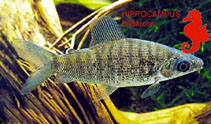
Etymology: Distichodus: Greek, di = two + Greek, stix, stichos = line, row (Ref. 45335); fasciolatus: The species name "fasciolatus" is derived from the Latin word "fascia", meaning "band, bandage, girdle, zone, strip, stripe" with "fasciola" as a diminutive and most probably refers to the well-marked transverse bars on the flanks (Ref. 96324).
More on author: Boulenger.
ပတ်ဝန်းကျင် : ပတ်ဝန်းကျင် / ရာသီဥတုဇုန် / အနက္အတိုင္းအတာ / ဖြန့်ဖြူးမှုအပိုင်း
ေဂဟေဗဒကိုေလ့လာေသာ ဘာသာရပ္
; ေရခ်ိဳ ေအာက္ေျခေနရနက္ပိုင္းမဟုတ္ေသာေနရာ; pH range: 6.0 - 8.0; dH range: ? - 25. Tropical; 23°C - 27°C (Ref. 13371)
Africa: widespread in the Congo River basin, from the marine Lower Congo up to the upper Lualaba (Ref. 96324), but absent from the Luapula-Moero (Ref. 2970, 96324). Reports from Lake Tanganyika (Ref. 4967, 6770, 36901) are questionable and probably incorrect (Ref. 96324).
အရြယ္အစား / အေလးခ်ိန္ / အသက္အရြယ္
မိ်ဳးပြားရန္အရြယ္ေရာက္ျပီ: Lm ? range ? - ? cm
Max length : 60.0 cm TL အထီး/လိြင္ခြဲျခားျခင္းမျပဳနုိင္ေသာ; (Ref. 7094); အမ်ားဆံုး ပံုနွိပ္ထုတ္ေ၀ထားေသာ အေလးခ်ိန္: 3.0 kg (Ref. 7094)
ေက်ာဆူးေတာင္ (စုစုေပါင္း) : 0; ေက်ာဘက္တြင္ရွိေသာ ေရယက္၌ပါေသာ အမွ်င္မ်ား (စုစုေပါင္း) : 24 - 26; စအိုတြင္ရွိေသာဆူးေတာင္မ်ား: 0; စအိုနားတြင္ရွိျပီး နူးညံ့ေသာေရယက္အမွ်င္မ်ား: 12 - 16. Diagnosis: Within the Congo River basin, Distichodus fasciolatus can be distinguished from D. affinis, D. altus, D. decemmaculatus, D. noboli, D. notospilus and D. teugelsi by its higher total number of lateral lina scales, 61-70 vs. less than 46 in the six other species, and from D. maculatus by the absence of large, dark spots all over the body, instead of 13-20 vertical dark bars, and a higher number of dorsal fin rays, 24-26, vs. 19-21 (Ref. 96324). It can be distinguished from D. antonii by its inferior mouth, vs. terminal, and its higher number of scales between the lateral line and the dorsal fin, 13-16 vs. 10-12; from D. lusosso by its inferior mouth, vs. terminal, its feebly compressed snout, vs. distinctively prolonged, and its higher number of dark vertical bars along the body, at least in specimens larger than 150 mm standard length, 13-20 vs. 6-8; from D. sexfasciatus by its higher number of teeth on the outer row of both jaws, 20-30 vs. 12-18, its higher number of dark vertical bars on the flanks, at least in specimens larger than 150 mm standard length, 13-20 vs. 6-8, and its brownish-yellowish colouration vs. orange-reddish to red (Ref. 96324). Moreover, Distichodus fasciolatus can be differentiated from both the D. atroventralis complex and D. langi by its lower number of pelvic fin rays, 10, exceptionally 11, vs. 11, exceptionally 10 for the D. atroventralis complex and always 11 for D. langi; from the D. atroventralis complex by its higher number of dark vertical bars, at least in specimens larger than 150 mm standard length, 13-20 vs. 6-9, and presence of pale pelvic fins, at least in specimens larger than 200 mm standard length, vs. blackish; and from D. langi by a combination of characteristics: 24-26 total dorsal fin rays, vs. 26-28, and a lower head depth, 35.9-62.9% of head length for specimens of comparable size, vs. 67.4-69.4% of head length (Ref. 96324).
Body shape (shape guide): short and / or deep.
Distichodus fasciolatus is a bottom-dweller in streams, found near the muddy bottom in lakes, large rivers and their dead-ending branches (Ref. 96324). This species is mainly herbivorous, though insects and nematodes were also found in the stomachs (Ref. 96324). The fry are born near the river banks just before the April or December floods and feed on zooplankton and insect larvae in the flooded zones; adults mainly feed on insect larvae, aquatic plants, leaves and seeds (Ref. 96324).
ဘဝသံသရာနှင့် မိတ်လိုက်သည့် အပြုအမူ
မိ်ဳးပြားရန္အရြယ္ေရာက္ျပီ | မ်ိဳးပြားသားေပါက္ျခင္း | သားေပါက္ျခင္း | ဥမ်ား | ဥခ်နွဳန္း | သားေလာင္း
Moelants, T., V. Mbadu Zebe, J. Snoeks and E. Vreven, 2014. A review of the Distichodus antonii assemblage (Characiformes: Distichodontidae) from the Congo basin. J. Nat. Hist. 48(27-28):1707-1735. (Ref. 96324)
စိုးရိမ္ဖြယ္အေျခအေနသို႔ေရာက္ရွိေန ေသာမ်ိဳးသုဥ္းရွားပါးေတာ့မည့္မ်ိဳးစိတ္မ်ား၏အဆင့္အတန္း (Ref. 130435: Version 2025-2 (Global))
လူသားမ်ားကို ထိတ္လန္႔ေျခာက္ျခားေစသည္။
Harmless
လူသားမ်ား၏အသံုးခ်မႈ
ငါးလုပ္ငန္း: စိတ္၀င္စားမႈမရွိေသာ
ပိုမိုေသာသတင္းအခ်က္အလက္မ်ားကိုရယူနုိင္ရန္္
အသံုးျပဳေသာကိရိယာ
ထူးျခားစြာေရးသားထားေသာ တင္ျပစာ
XML ကူးယူရရွိနိုင္ပါသည္
အင္တာနက္အရင္းအျမစ္
မော်ဒယ်များကို အခြေခံ၍ ခန့်မှန်းချက်
Phylogenetic diversity အညွှန်းကိန်း (က်မ္းကိုးစာရင္း
82804): PD
50 = 0.5000 [Uniqueness, from 0.5 = low to 2.0 = high].
Bayesian length-weight: a=0.01445 (0.00602 - 0.03469), b=3.05 (2.86 - 3.24), in cm total length, based on LWR estimates for this Genus-body shape (Ref.
93245).
အစာရရွိမႈကြင္းဆက္နွင့္ အစာစားေသာအေလ့အက်င့္ (က်မ္းကိုးစာရင္း
69278): 2.0 ±0.00 se; based on food items.
ငါးဖမ်းခြင်း အားနည်းချက် (Ref.
59153): Moderate vulnerability (44 of 100).
🛈