ກຸ່ມປາກະດູກອ່ອນ (ເຊັ່ນ: ປາສະຫລາມ, ປາຜາໄລ) (sharks and rays) >
Myliobatiformes (Stingrays) >
Dasyatidae (Stingrays) > Urogymninae
Etymology: Brevitrygon: Name from Latin 'brevis' meaning short and 'trygṓn' meaning stingray, referring to the short, semi-rigid tails of these stingrays; imbricata: Name fro Latin 'imbricata' meaning overlapping each other, referring to the secondary denticle band, which is very narrow over the branchial region and abdomen in this species.
More on authors: Bloch & Schneider.
ສະພາບແວດລ້ອມ: ສະພາບແວດລ້ອມ / ເຂດດິນຟ້າອາກາດ / ລະດັບຄວາມເລິກ / ຂອບເຂດການແຈກຢາຍ
ນິເວດວິທະຍາ
ສັດທະເລ; ນ້ຳຈືດ; ນ້ຳກ່ອຍ ອາໄສຢູ່ໃກ້ໜ້າດິນໃຕ້ພື້ນທ້ອງນ້ຳ; ປາທີ່ມີການເຄື່ອນຍ້າຍຈາກທະເລໄປຫານ້ຳຈືດ ແລະນ້ຳຈືດຫາທະເລ (Ref. 51243); ລະດັບຄວາມເລິກ 1 - 45 m (Ref. 130662). Tropical
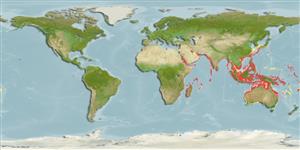
Indian Ocean: India, Sri Lanka (Arabian Sea, Laccadive Sea and Bay of Bengal) and nw Indonesia (off Singapore); questionable in Myanmar and Taiwan.
ຄວາມຍາວໃນການເຕີບໂຕເຕັມຄັ້ງທໍາອິດ / ຂະໜາດ / ນ້ຳໜັກ / ອາຍຸ
ການຈະເລີນເຕັມໄວ: Lm 19.0 range ? - ? cm
Max length : 25.5 cm WD ຕົວຜູ້/ບໍ່ມີເພດ; (Ref. 121648); 31.0 cm WD (female); ນ້ຳໜັກສູງສຸດທີ່ເຄຍຈັດພີມມາ: 590.00 g (Ref. 121648); ນ້ຳໜັກສູງສຸດທີ່ເຄຍຈັດພີມມາ: 590.00 g
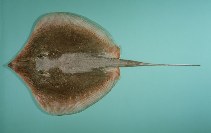
Disc width equal to disc length; tail shorter than body; ventral surface of disc entirely white (Ref. 12693).
Body shape (shape guide): other.
Found in inshore coastal waters (Ref. 30573). Typically found in estuarine habitats, but also reported from the Great Lake. The single record from the Great Lake may in fact refer to Dasyatis laosensis. Young and adults feed on benthic invertebrates (Ref. 12693). Ovoviviparous (Ref. 124). Feeds on bottom-living invertebrates (Ref. 68964). May grow to a maximum of 140 cm disc length in the sea (Ref. 43081). Juveniles may be present in mangroves (Ref. 43081). Examined adult males 17.1 cm DW (32.0 cm TL) - 20.5 cm DW (39.8 cm TL); females 13.8 cm DW (25.6 cm TL) - 20.4 cm DW (39.6 cm TL); early juveniles (USNM 222564, immature male 12.0 cm DW and female 8.8 cm DW) have lost umbilical scars. Reported maximum disc width 30.0 cm (Ref. 11312) was found excessive (Ref. 130662).
Exhibit ovoviparity (aplacental viviparity), with embryos feeding initially on yolk, then receiving additional nourishment from the mother by indirect absorption of uterine fluid enriched with mucus, fat or protein through specialised structures (Ref. 50449). Distinct pairing with embrace (Ref. 205).
Last, P.R., S. Weigmann and G.J.P. Naylor, 2023. The Indo-Pacific stingray genus Brevitrygon (Myliobatiformes: Dasyatidae): clarification of historical names and description of a new species, B. manjajiae sp. nov., from the western Indian Ocean. Diversity 15: 1-75. (Ref. 130662)
ສະຖານະພາບບັນຊີແດງຂອງ IUCN (Ref. 130435: Version 2025-2 (Global))
ການນໍາໃຊ້ຂອງມະນຸດ
ການປະມົງ: ທີ່ເປັນການຄ້າໜ້ອຍ
ເຄື່ອງມື
ບົດລາຍງານພິເສດ
ດາວໂຫລດ XML
ແຫຼ່ງອີນເຕີເນັດ
ການຄາດຄະເນໂດຍອີງໃສ່ແບບຈໍາລອງ
ອຸນຫະພູມທີ່ຕ້ອງການ (ເອກະສານອ້າງອີງ
123201): 26.4 - 29.2, mean 28.4 °C (based on 1288 cells).
ດັດຊະນີຄວາມຫຼາກຫຼາຍທາງຊີວະພາບ (ເອກະສານອ້າງອີງ
82804): PD
50 = 0.5312 [Uniqueness, from 0.5 = low to 2.0 = high].
Bayesian length-weight: a=0.01698 (0.01048 - 0.02752), b=3.12 (2.97 - 3.27), in cm total length, based on LWR estimates for this species & (Sub)family-body (Ref.
93245).
ຊັ້ນເຂດຮ້ອນ (ເອກະສານອ້າງອີງ
69278): 3.5 ±0.37 se; based on food items.
Generation time: 1.9 ( na - na) years. Estimated as median ln(3)/K based on 2
growth studies.
ຄວາມຢືດຢຸ່ນ (ເອກະສານອ້າງອີງ
120179): ຕຳ່ຫຼາຍ, ປະຊາກອນຕຳ່ສຸດທີ່ໃຊ້ເວລາສອງເທົ່າຫຼາຍກວ່າ 14 ປີ (K=0.59; Fec=1).
ຄວາມສ່ຽງຕໍ່ການຫາປາ (Ref.
59153): Moderate vulnerability (42 of 100).
🛈