>
Blenniiformes (Blennies) >
Blenniidae (Combtooth blennies) > Salariinae
Etymology: Cirripectes: Latin, cirrus = curl fringe + Greek, pektos, -e, -on = made of several parts solidly united (Ref. 45335); filamentosus: Specific epithet 'filum' meaning thread, presumably referring to the filamentous dorsal-fin spines of the adults.
More on authors: Alleyne & Macleay.
ສະພາບແວດລ້ອມ: ສະພາບແວດລ້ອມ / ເຂດດິນຟ້າອາກາດ / ລະດັບຄວາມເລິກ / ຂອບເຂດການແຈກຢາຍ
ນິເວດວິທະຍາ
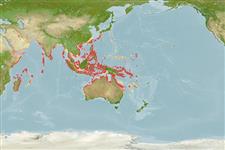
ສັດທະເລ ກ່ຽວກັນຫີນ; ລະດັບຄວາມເລິກ 0 - 20 m (Ref. 529), usually ? - 7 m (Ref. 90102). Tropical; 32°N - 30°S, 41°E - 167°E
Indo-West Pacific: northern Madagascar and Cargados Carajos northward to the southern Red Sea and the Persian Gulf; Andamans Sea to Western Australia, throughout Indo-Australian Archipelago to the Solomon Islands, as far as Taiwan but not on the Pacific Plate.
ຄວາມຍາວໃນການເຕີບໂຕເຕັມຄັ້ງທໍາອິດ / ຂະໜາດ / ນ້ຳໜັກ / ອາຍຸ
ການຈະເລີນເຕັມໄວ: Lm ?, range 4 - ? cm
Max length : 7.5 cm SL ຕົວຜູ້/ບໍ່ມີເພດ; (Ref. 529)
ຄີ (ໜາມ)ແຂງຢູ່ຫຼັງປາ (ທັງໝົດ) : 11 - 13; ຄີຫຼັງຂອງປາ (ຄີອ່ອນ) (ທັງໝົດ) : 13 - 16; ຄີ(ໜາມ) ແຂງຢູ່ຄີກົ້ນປາ
ກຸ່ມປາກະດູກແຂງ
ຄວາມຖີ່ຂອງກຸ່ມຖ່າຍທອດພັນ
ປາທີ່ມີການເຄື່ອນຍ້າຍຈາກທະເລໄປຫານ້ຳຈືດ ແລະນ້ຳຈືດຫາທະເລ
ປາທີ່ມີການເຄື່ອນຍ້າຍຈາກທະເລແລະໄປໄຂ່ຢູ່ນ້ຳຈືດ
ຄີກົ້ນຂອງປາ
ສັດທີ່ມີກະດູກສັນຫັຼງ
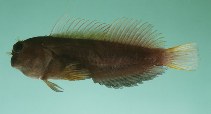
ການຖ່າຍທອດທາງກຳມະພັນຈາກພໍ່ແມ່ຫາລູກ: 2; ຄີກົ້ນຂອງປາ: 14 - 17; ສັດທີ່ມີກະດູກສັນຫຼັງ: 29 - 31. Diagnosis: Dorsal fin XII-XIII (usually XII), 13-16, dorsal membrane attached to caudal fin, with distinct notch above last spine, first spine almost equal higher than second; most spines filamentous; anal fin II, 14-17; pectoral rays 15; pelvic fin I, 3-4; caudal fin procurrent rays 8-14. Vertebrae 10 (rarely 11) + 19-21(usually 20); last pleural rib on 11th vertebral centrum, last epipleural rib on 13-17th. Body depth at anal-fin origin 3.6-3.8 in SL. LL, without scales and scalelike flaps; LL tubes 0-5 (rarely up to 8), canal ends below 12th dorsal spine to 11th dorsal ray. Lower lip smooth mesially, plicate laterally. Upper lip crenulae 26-50. Gill rakers 21-27. Cephalic sensory pore system simple. Cirri: supraorbital 4-13 (usually 4-10); nasal 4-34 (usually 6-14); nuchal 22-39 (usually 25-31), in 4 groups, dorsalmost groups sometimes unconnected at their bases, slightly expanded nuchal flap at bases of ventralmost cirri, 2 pores behind nuchal flap. This species of the genus shows the greatest variation and does not have strong modes for meristic characters. Geographic variation for characters midsnout pores and pelvic fin rays; those with 4 pelvic rays have midsnout pores, but it may be present or absent in those with 3 pelvic rays; in some localities both population types are common. Over all brown, with red spots on cheeks and snout but none on body; inner ring of iris yellow, outer red; eyes with yellowish-brown bars beneath; pectoral fins yellowish; caudal fin proximal half brown, distal half with yellow upper rays and reddish lower rays (Ref. 529, 90102). Ophioblennius stage 2.0 cm in SL; overall cream including cirri; no distinct spots (Ref. 529).
Body shape (shape guide): elongated; Cross section: oval.
Facultative air-breathing in the genus (Ref. 126274); This species can tolerate a wider range of environmental conditions than others of this genus. Adults usually are found on coral or rocky reefs to 20 m deep (Ref. 529). Found solitary or in small groups (Ref. 90102). Oviparous. Eggs are demersal and adhesive (Ref. 205), and are attached to the substrate via a filamentous, adhesive pad or pedestal (Ref. 94114). Larvae are planktonic, often found in shallow, coastal waters (Ref. 94114).
ວົງຈອນຊີວິດ ແລະພຶດຕິກໍາການຫາຄູ່
ການຈະເລີນເຕັມໄວ | ການສືບພັນ | ການວາງໄຂ່ | ໄຂ່ | ຄວາມດົກຂອງໄຂ່ປາ | ຕົວອ່ອນ
Oviparous, distinct pairing (Ref. 205). Urogenital orifice of male genital papilla located basally between 2 closely appressed, small, slender filaments on a fleshy swelling behind anus; testes bulbous with length equal to its width (Ref. 529).
Williams, J.T., 1988. Revision and phylogenetic relationships of the blenniid fish genus Cirripectes. Indo-Pac. Fish. (17):78 p. (Ref. 529)
ສະຖານະພາບບັນຊີແດງຂອງ IUCN (Ref. 130435: Version 2025-2 (Global))
ໄພຂົ່ມຂູ່ຕໍ່ມະນຸດ
Harmless
ການນໍາໃຊ້ຂອງມະນຸດ
ການປະມົງ: ທີ່ບໍ່ມີຄວາມສົນໃຈ; ຕູ້ປາ: ເປັນສີນຄ້າ
ເຄື່ອງມື
ບົດລາຍງານພິເສດ
ດາວໂຫລດ XML
ແຫຼ່ງອີນເຕີເນັດ
ການຄາດຄະເນໂດຍອີງໃສ່ແບບຈໍາລອງ
ອຸນຫະພູມທີ່ຕ້ອງການ (ເອກະສານອ້າງອີງ
123201): 26.4 - 29.3, mean 28.7 °C (based on 2558 cells).
ດັດຊະນີຄວາມຫຼາກຫຼາຍທາງຊີວະພາບ (ເອກະສານອ້າງອີງ
82804): PD
50 = 0.5000 [Uniqueness, from 0.5 = low to 2.0 = high].
Bayesian length-weight: a=0.00776 (0.00354 - 0.01702), b=3.00 (2.81 - 3.19), in cm total length, based on LWR estimates for this (Sub)family-body shape (Ref.
93245).
ຊັ້ນເຂດຮ້ອນ (ເອກະສານອ້າງອີງ
69278): 2.0 ±0.00 se; based on food items.
ຄວາມຢືດຢຸ່ນ (ເອກະສານອ້າງອີງ
120179): ສູງ, ປະຊາກອນຕຳ່ສຸດທີ່ໃຊ້ເວລາສອງໜ້ອຍກວ່າ 15 ເດືອນ (Preliminary K or Fecundity.).
ຄວາມສ່ຽງຕໍ່ການຫາປາ (Ref.
59153): Low vulnerability (10 of 100).
🛈
ທາດອາຫານ (Ref.
124155): Calcium = 183 [87, 321] mg/100g; Iron = 0.904 [0.509, 1.618] mg/100g; Protein = 17.8 [16.5, 18.9] %; Omega3 = 0.0883 [, ] g/100g; Selenium = 23.9 [10.9, 56.4] μg/100g; VitaminA = 128 [31, 536] μg/100g; Zinc = 2.85 [1.83, 4.20] mg/100g (wet weight);