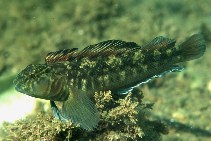
ສະພາບແວດລ້ອມ: ສະພາບແວດລ້ອມ / ເຂດດິນຟ້າອາກາດ / ລະດັບຄວາມເລິກ / ຂອບເຂດການແຈກຢາຍ
ນິເວດວິທະຍາ
ສັດທະເລ; ນ້ຳກ່ອຍ ອາໄສຢູ່ໃກ້ໜ້າດິນໃຕ້ພື້ນທ້ອງນ້ຳ; ບໍ່ມີການເຄື່ອນຍ້າຍ (Ref. 13730); ລະດັບຄວາມເລິກ 0 - 3 m (Ref. 123650). Temperate
Southwest Pacific: throughout New Zealand.
ຄວາມຍາວໃນການເຕີບໂຕເຕັມຄັ້ງທໍາອິດ / ຂະໜາດ / ນ້ຳໜັກ / ອາຍຸ
ການຈະເລີນເຕັມໄວ: Lm 5.5 range ? - ? cm
Max length : 9.0 cm TL ຕົວຜູ້/ບໍ່ມີເພດ; (Ref. 13730)
ຄີ (ໜາມ)ແຂງຢູ່ຫຼັງປາ (ທັງໝົດ) : 24 - 27; ຄີຫຼັງຂອງປາ (ຄີອ່ອນ) (ທັງໝົດ) : 11 - 13; ຄີ(ໜາມ) ແຂງຢູ່ຄີກົ້ນປາ
ກຸ່ມປາກະດູກແຂງ
ຄວາມຖີ່ຂອງກຸ່ມຖ່າຍທອດພັນ
ປາທີ່ມີການເຄື່ອນຍ້າຍຈາກທະເລໄປຫານ້ຳຈືດ ແລະນ້ຳຈືດຫາທະເລ
ປາທີ່ມີການເຄື່ອນຍ້າຍຈາກທະເລແລະໄປໄຂ່ຢູ່ນ້ຳຈືດ
ຄີກົ້ນຂອງປາ
ສັດທີ່ມີກະດູກສັນຫັຼງ
ການຖ່າຍທອດທາງກຳມະພັນຈາກພໍ່ແມ່ຫາລູກ: 2; ຄີກົ້ນຂອງປາ: 24 - 26; ສັດທີ່ມີກະດູກສັນຫຼັງ: 42 - 44. Spines of first dorsal fin high, often as high as second dorsal, with posterior spines longer than anterior. Supraorbital tentacles simple. No sensory papillae on frontal, temporal and upper
part of otic areas. Dorsal fin formula V-0N-0-1-0-1. Ten procurrent rays in upper caudal lobe, 9 in lower lobe; in upper lobe, 1 procurrent ray between upper lobe and posterior epural, 5 opposite epurals, 1 between anterior epural and neural spine of second preural, 2 anterior to neural spine of third preural vertebra; in lower lobe, 8 procurrent rays opposite haemal spine of second preural vertebra, 1 opposite haemal spine of third vertebra.
Body shape (shape guide): elongated.
Facultative air-breathing in the genus (Ref. 126274); Adults occur in estuaries and lower reaches of rivers and streams (Ref. 13227) where
there is cover from rocks and submerged trees (Ref. 84085). They are also widespread on coastal rocky sea shores, on open coasts, bays, harbours, and inlets (Ref. 13730). Eggs are hemispherical and covered with numerous sticky threads that anchor them in the algae on the nesting sites (Ref. 240). Larvae are planktonic which occur primarily in shallow, nearshore waters (Ref. 94114).
Males are strongly territorial,establishing and defefending spawning areas. This behavior may persist beyond the breeding months (Ref, 13730). Eggs are laid on firm surface such as a rock or the inside of a shell in a single layer (Ref. 13730).
Fricke, R., 1994. Tripterygiid fishes of Australia, New Zealand and the southwest Pacific Ocean (Teleostei). Theses Zool. 24:1-585. (Ref. 13227)
ສະຖານະພາບບັນຊີແດງຂອງ IUCN (Ref. 130435: Version 2025-2 (Global))
ໄພຂົ່ມຂູ່ຕໍ່ມະນຸດ
Harmless
ການນໍາໃຊ້ຂອງມະນຸດ
ເຄື່ອງມື
ບົດລາຍງານພິເສດ
ດາວໂຫລດ XML
ແຫຼ່ງອີນເຕີເນັດ
ການຄາດຄະເນໂດຍອີງໃສ່ແບບຈໍາລອງ
ດັດຊະນີຄວາມຫຼາກຫຼາຍທາງຊີວະພາບ (ເອກະສານອ້າງອີງ
82804): PD
50 = 0.5039 [Uniqueness, from 0.5 = low to 2.0 = high].
Bayesian length-weight: a=0.00617 (0.00290 - 0.01310), b=3.04 (2.86 - 3.22), in cm total length, based on LWR estimates for this (Sub)family-body shape (Ref.
93245).
ຊັ້ນເຂດຮ້ອນ (ເອກະສານອ້າງອີງ
69278): 3.3 ±0.4 se; based on size and trophs of closest relatives
ຄວາມຢືດຢຸ່ນ (ເອກະສານອ້າງອີງ
120179): ສູງ, ປະຊາກອນຕຳ່ສຸດທີ່ໃຊ້ເວລາສອງໜ້ອຍກວ່າ 15 ເດືອນ (Preliminary K or Fecundity.).
ຄວາມສ່ຽງຕໍ່ການຫາປາ (Ref.
59153): Low vulnerability (10 of 100).
🛈