>
Clupeiformes (Herrings) >
Engraulidae (Anchovies) > Coiliinae
Etymology: Setipinna: Latin, septem = seven + Latin, pinna, -ae = fin.
More on author: Bleeker.
ສະພາບແວດລ້ອມ: ສະພາບແວດລ້ອມ / ເຂດດິນຟ້າອາກາດ / ລະດັບຄວາມເລິກ / ຂອບເຂດການແຈກຢາຍ
ນິເວດວິທະຍາ
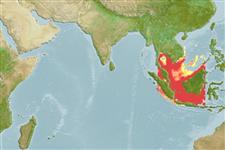
ສັດທະເລ; ນ້ຳຈືດ; ນ້ຳກ່ອຍ pelagic-neritic. Tropical; 19°N - 8°S, 99°E - 118°E (Ref. 189)
Western Central Pacific: Thailand south to Java, including rivers, e.g., the Chao Praya in Thailand and the Rokan, Kapuas and Barito in Indonesia and the Mekong River system.
ຂະໜາດ / ນ້ຳໜັກ / ອາຍຸ
ການຈະເລີນເຕັມໄວ: Lm ? range ? - ? cm
Max length : 33.0 cm SL ຕົວຜູ້/ບໍ່ມີເພດ; (Ref. 30857); common length : 19.0 cm SL ຕົວຜູ້/ບໍ່ມີເພດ; (Ref. 9822)
ຄີ (ໜາມ)ແຂງຢູ່ຫຼັງປາ (ທັງໝົດ) : 0; ຄີ(ໜາມ) ແຂງຢູ່ຄີກົ້ນປາ
ກຸ່ມປາກະດູກແຂງ
ຄວາມຖີ່ຂອງກຸ່ມຖ່າຍທອດພັນ
ປາທີ່ມີການເຄື່ອນຍ້າຍຈາກທະເລໄປຫານ້ຳຈືດ ແລະນ້ຳຈືດຫາທະເລ
ປາທີ່ມີການເຄື່ອນຍ້າຍຈາກທະເລແລະໄປໄຂ່ຢູ່ນ້ຳຈືດ
ຄີກົ້ນຂອງປາ
ສັດທີ່ມີກະດູກສັນຫັຼງ
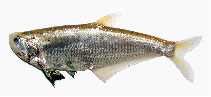
ການຖ່າຍທອດທາງກຳມະພັນຈາກພໍ່ແມ່ຫາລູກ: 0; ຄີກົ້ນຂອງປາ: 45 - 53. Belly with 21 to 26 + 8 to 10 = 30 to 35 keeled scutes from isthmus to anus. Lower gill rakers with serrae rather large, spiky, but not distinctly clumped. Pectoral filament short or even absent, never reaching even to anus. Gill cover and main part of pectoral fin often dusky or jet black; other fins pale to bright yellow (Ref. 189). Origin of anal fin in front of origin of the dorsal fin (Ref. 43281).
Body shape (shape guide): elongated; Cross section: compressed.
This species was recorded up rivers at 90, 150 and 210 km from the sea, but it is not known if these are permanent freshwater populations or migrants from the sea. At least small numbers enter artisanal river and lake fisheries (Ref. 9822). Found in large rivers far upstream from the estuary (Ref. 12693). Feeds mainly on insect larvae and small fishes. Used to make prahoc (Ref. 12693).
ວົງຈອນຊີວິດ ແລະພຶດຕິກໍາການຫາຄູ່
ການຈະເລີນເຕັມໄວ | ການສືບພັນ | ການວາງໄຂ່ | ໄຂ່ | ຄວາມດົກຂອງໄຂ່ປາ | ຕົວອ່ອນ
Wongratana, T., T.A. Munroe and M. Nizinski, 1999. Order Clupeiformes. Engraulidae. Anchovies. p. 1698-1753. In K.E. Carpenter and V.H. Niem (eds.) FAO species identification guide for fishery purposes. The living marine resources of the WCP. Vol. 3. Batoid fishes, chimaeras and bony fishes part 1 (Elopidae to Linophrynidae). FAO, Rome. (Ref. 9822)
ສະຖານະພາບບັນຊີແດງຂອງ IUCN (Ref. 130435: Version 2025-2 (Global))
ໄພຂົ່ມຂູ່ຕໍ່ມະນຸດ
Harmless
ການນໍາໃຊ້ຂອງມະນຸດ
ການປະມົງ: ການປະມົງແບບກຸ້ມຕົນເອງ
ເຄື່ອງມື
ບົດລາຍງານພິເສດ
ດາວໂຫລດ XML
ແຫຼ່ງອີນເຕີເນັດ
ການຄາດຄະເນໂດຍອີງໃສ່ແບບຈໍາລອງ
ອຸນຫະພູມທີ່ຕ້ອງການ (ເອກະສານອ້າງອີງ
123201): 24.1 - 28.6, mean 28 °C (based on 430 cells).
ດັດຊະນີຄວາມຫຼາກຫຼາຍທາງຊີວະພາບ (ເອກະສານອ້າງອີງ
82804): PD
50 = 0.5039 [Uniqueness, from 0.5 = low to 2.0 = high].
Bayesian length-weight: a=0.00525 (0.00303 - 0.00910), b=3.03 (2.88 - 3.18), in cm total length, based on LWR estimates for this species & (Sub)family-body (Ref.
93245).
ຊັ້ນເຂດຮ້ອນ (ເອກະສານອ້າງອີງ
69278): 3.9 ±0.63 se; based on food items.
ຄວາມຢືດຢຸ່ນ (ເອກະສານອ້າງອີງ
120179): ຂະໜາດກາງ, ປະຊາກອນຕຳ່ສຸດທີ່ໃຊ້ເວລາສອງເທົ່າ 1.4 - 4.4 ປີ (Preliminary K or Fecundity.).
ຄວາມສ່ຽງຕໍ່ການຫາປາ (Ref.
59153): Low to moderate vulnerability (30 of 100).
🛈