>
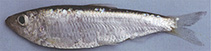
Clupeiformes (Herrings) >
Ehiravidae (River sprats)
Etymology: Clupeonella: Latin, clupea = sardine, derived from Clupeus = shield; diminutive (Ref. 45335).
More on author: Borodin.
Milieu: milieu / Klimaatzone / Diepte / verspreidingsgebied
Ecologie
; zoet water pelagisch. Temperate
Europe: Volga and Ural drainages. Has been invasive in the middle Don drainage and in the middle and upper Volga drainage, especially in River Kama.
Grootte / Gewicht / Leeftijd
Maturiteit: Lm ? range ? - ? cm
Max length : 10.0 cm SL mannelijk / geslacht onbekend; (Ref. 59043); max. gerapporteerde leeftijd: 5 Jaren (Ref. 59043)
Inhabits pelagic zone of large freshwater lakes and reservoirs. Preys on crustaceans such as copepods and cladocerans. Spawns in open water (Ref. 59043).
Levenscyclus en paargedrag
Maturiteit | Voortplanting | Paaien | Eieren | Fecunditeit | Larven
Kottelat, M. and J. Freyhof, 2007. Handbook of European freshwater fishes. Publications Kottelat, Cornol and Freyhof, Berlin. 646 pp. (Ref. 59043)
Status op de Rode Lijst van het IUCN (Ref. 130435: Version 2025-2 (Global))
Gevaar voor de mens
Harmless
Gebruik door de mens
Tools
Speciale rapporten
Download XML
Internetbronnen
Schattingen op basis van modellen
Fylogenetische diversiteitsindex (Ref.
82804): PD
50 = 0.5078 [Uniqueness, from 0.5 = low to 2.0 = high].
Bayesian length-weight: a=0.00468 (0.00190 - 0.01153), b=3.03 (2.82 - 3.24), in cm total length, based on LWR estimates for this (Sub)family-body shape (Ref.
93245).
Weerstandsvermogen (Ref.
120179): Gemiddeld, minimale populatieverdubbelingstijd 1,4-4,4 jaar (tmax=5).
Kwetsbaarheid van de visserij (Ref.
59153): Low vulnerability (10 of 100).
🛈