ການຈັດປະເພດ / ຊື່
ຊື່ສາມັນ | ຄຳສັບຄ້າຍຄືກັນ | Catalog of Fishes(ຕະກຸນ, ຊະນິດ) | ITIS | CoL | WoRMS | Cloffa
>
Gymnotiformes (Knifefishes) >
Apteronotidae (Ghost knifefishes) > Apteronotinae
Etymology: Sternarchogiton: Greek, sternon = sternon, + Greek, archos = anus + Greek, geiton, -onos = neighbour (Ref. 45335); zuanoni: The species name, zuanoni, is in honor of
Jansen Zuanon of the Instituto Nacional de Pesquisas da Amazoˆnia, who has contributed enormously to our knowledgeof the ecology and taxonomy of fishes from the Amazon basin (Ref. 83662).
Eponymy: Dr Jansen Alfredo Sampaio Zuanon is a Brazilian ichthyolgist and ecologist. [...] (Ref. 128868), visit book page.
More on authors: de & SantanaVari.
ສະພາບແວດລ້ອມ: ສະພາບແວດລ້ອມ / ເຂດດິນຟ້າອາກາດ / ລະດັບຄວາມເລິກ / ຂອບເຂດການແຈກຢາຍ
ນິເວດວິທະຍາ
; ນ້ຳຈືດ ອາໄສຢູ່ໃກ້ໜ້າດິນໃຕ້ພື້ນທ້ອງນ້ຳ. Tropical; 3°S - 4°S, 52°W - 53°W
The single known sample of Sternarchogiton
zuanoni originated in the rapids and waterfalls of Cachoeira de Kaituká in the Município de Altamira along the lower Rio Xingu in the eastern portions of the Amazon basin (Ref. 83662).
ຂະໜາດ / ນ້ຳໜັກ / ອາຍຸ
ການຈະເລີນເຕັມໄວ: Lm ? range ? - ? cm
Max length : 17.8 cm TL ຕົວຜູ້/ບໍ່ມີເພດ; (Ref. 83662)
ຄຳອະທິບາຍສັ້ນໆ
ຕົວທີ່ໃຊ້ໃນການຈຳແນກຊະນິດ | ສະລີລະວິທະຍາ | ການວັດແທກຮູບຮ່າງລັກສະນະພາຍນອກຂອງດິນ,ສັດ,ປາ…
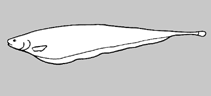
Sternarchogiton zuanoni is diagnosed from S. labiatus in the number of total anal-fin rays (129–153 versus 156–168, respectively), the interorbital width (28.8–39.4% of HL versus 19.5–24.6%, respectively), the body depth (13.3–17.3% of LEA versus 10.3–12.0%, respectively), the coloration of the anal fin (completely hyaline versus the presence of scattered brown speckling and a dark distal margin, respectively), the form of the lower lip (unelaborated versus the presence of a prominent tri-lobed structure, respectively), and the number of rows of conical teeth on the dentary (one versus two rows, respectively). Sternarchogiton zuanoni is distinguished from S. nattereri in the number of total anal-fin rays (129–153 versus 180–198, respectively), the interorbital width (28.8–39.4% of HL versus 19.9–27.6%, respectively), the length of the caudal appendage (22.4– 30.7% of LEA versus 14.6–20.4%, respectively), and the premaxillary dentition (teeth absent versus present in some sexually dimorphic males, respectively). Sternarchogiton zuanoni is diagnosable from S. porcinum in the number of total anal-fin rays (129–153 versus 182–216, respectively), the interorbital width (28.8–39.4% of HL versus 18.8–23.9%, respectively), the head width (46.2–57.3% of HL versus 39.1– 44.6%, respectively), the orbital diameter (9.3–14.1% of HL versus 4.5–7.7%, respectively), the coloration of the pectoral and anal fins (completely hyaline versus with black margins, respectively), and the dorsal profile of the head (distinctly convex versus straight or slightly convex, respectively). Sternarchogiton zuanoni is distinguished from S. preto in the number of total anal-fin rays (129–153 versus 189– 210, respectively), the interorbital width (28.8–39.4% of HL versus 17.8–25.9%, respectively), the orbital diameter (9.3– 14.1% of HL versus 2.9–8.3%, respectively), the coloration of the pectoral and anal fins (completely hyaline versus with black margins, respectively), and the premaxillary dentition (teeth absent versus present, respectively) (Ref. 83662).
Body shape (shape guide): elongated; Cross section: compressed.
ວົງຈອນຊີວິດ ແລະພຶດຕິກໍາການຫາຄູ່
ການຈະເລີນເຕັມໄວ | ການສືບພັນ | ການວາງໄຂ່ | ໄຂ່ | ຄວາມດົກຂອງໄຂ່ປາ | ຕົວອ່ອນ
de Santana, C. D. and R. P. Vari, 2010. New rheophilic species of electric knifefish from the rapids and waterfalls of the Lower Rio Xingu, Brazil (Gymnotiformes: Apteronotidae). Copeia 2010(1):160-164. (Ref. 83662)
ສະຖານະພາບບັນຊີແດງຂອງ IUCN (Ref. 130435: Version 2025-2 (Global))
ໄພຂົ່ມຂູ່ຕໍ່ມະນຸດ
Harmless
ການນໍາໃຊ້ຂອງມະນຸດ
ເຄື່ອງມື
ບົດລາຍງານພິເສດ
ດາວໂຫລດ XML
ແຫຼ່ງອີນເຕີເນັດ
ການຄາດຄະເນໂດຍອີງໃສ່ແບບຈໍາລອງ
ດັດຊະນີຄວາມຫຼາກຫຼາຍທາງຊີວະພາບ (ເອກະສານອ້າງອີງ
82804): PD
50 = 0.5312 [Uniqueness, from 0.5 = low to 2.0 = high].
Bayesian length-weight: a=0.00355 (0.00146 - 0.00863), b=3.06 (2.85 - 3.27), in cm total length, based on LWR estimates for this (Sub)family-body shape (Ref.
93245).
ຊັ້ນເຂດຮ້ອນ (ເອກະສານອ້າງອີງ
69278): 3.3 ±0.3 se; based on size and trophs of closest relatives
ຄວາມສ່ຽງຕໍ່ການຫາປາ (Ref.
59153): Low vulnerability (10 of 100).
🛈