ການຈັດປະເພດ / ຊື່
ຊື່ສາມັນ | ຄຳສັບຄ້າຍຄືກັນ | Catalog of Fishes(ຕະກຸນ, ຊະນິດ) | ITIS | CoL | WoRMS | Cloffa
>
Cichliformes (Cichlids, convict blennies) >
Cichlidae (Cichlids) > Cichlinae
Etymology: Australoheros: From the Latin word 'australis' meaning southern, and the name Heros, after the nominotypic genus of the Heroini tribe.
Tribe; capixaba: From the Brazilian idiomatic expression capixaba, meaning people who were born in the Estado de Espírito Santo (Ref. 84134).
ສະພາບແວດລ້ອມ: ສະພາບແວດລ້ອມ / ເຂດດິນຟ້າອາກາດ / ລະດັບຄວາມເລິກ / ຂອບເຂດການແຈກຢາຍ
ນິເວດວິທະຍາ
; ນ້ຳຈືດ ກ່ຽວກັບ (ຢູ່)ເທິງຊັ້ນພື້ນດິນໃນທະເລເປີດ. Tropical; 18°S - 19°S, 40°W - 41°W
South America: Brazil. Rio São Mateus basin, rio Itaúnas basin, rio Barra Seca basin and lower rio Doce basin, all in south-eastern Brazil (Ref. 84134).
ຂະໜາດ / ນ້ຳໜັກ / ອາຍຸ
ການຈະເລີນເຕັມໄວ: Lm ? range ? - ? cm
Max length : 5.7 cm SL ຕົວຜູ້/ບໍ່ມີເພດ; (Ref. 84134)
ຄຳອະທິບາຍສັ້ນໆ
ຕົວທີ່ໃຊ້ໃນການຈຳແນກຊະນິດ | ສະລີລະວິທະຍາ | ການວັດແທກຮູບຮ່າງລັກສະນະພາຍນອກຂອງດິນ,ສັດ,ປາ…
ຄີ (ໜາມ)ແຂງຢູ່ຫຼັງປາ (ທັງໝົດ) : 15 - 16; ຄີຫຼັງຂອງປາ (ຄີອ່ອນ) (ທັງໝົດ) : 10 - 11; ຄີ(ໜາມ) ແຂງຢູ່ຄີກົ້ນປາ
ກຸ່ມປາກະດູກແຂງ
ຄວາມຖີ່ຂອງກຸ່ມຖ່າຍທອດພັນ
ປາທີ່ມີການເຄື່ອນຍ້າຍຈາກທະເລໄປຫານ້ຳຈືດ ແລະນ້ຳຈືດຫາທະເລ
ປາທີ່ມີການເຄື່ອນຍ້າຍຈາກທະເລແລະໄປໄຂ່ຢູ່ນ້ຳຈືດ
ຄີກົ້ນຂອງປາ
ສັດທີ່ມີກະດູກສັນຫັຼງ
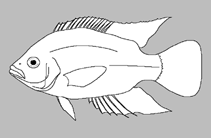
ການຖ່າຍທອດທາງກຳມະພັນຈາກພໍ່ແມ່ຫາລູກ: 6 - 7; ຄີກົ້ນຂອງປາ: 8; ສັດທີ່ມີກະດູກສັນຫຼັງ: 26. Australoheros capixaba is distinguished from A. facetus, A. kaaygua, A. tembe, A. forquilha, A. guarani, A. minuano, A. scitulus, A. charrua and A. taura by having fewer caudal vertebrae (12 in A. capixaba vs. 13 – 15 in the other species). Australoheros capixaba differs from A. saquarema, A. muriae, A. robustus, A. barbosae, A. macacuensis, A. ipatinguensis, A. paraibae and A. ribeirae by having a longer caudal peduncle (9.6 – 11.4 % SL in A. capixaba vs. 5.1 – 9.2 % SL in the other species); from A. autrani, A. barbosae, A. ipatinguensis, A. muriae and A. saquarema by having fewer anal-fin rays (8 in A. capixaba vs. 9 – 10 in the other species); from A. macacuensis, A. macaensis, A. ribeirae and A. saquarema by having large red spots on the dorsal portion of the trunk (vs. absence); from A. autrani, A. macacuensis, A. macaensis and A. saquarema by having a reddish chest (vs. chest not reddish, i.e. a coloration similar to the entire trunk); from A. macaensis and A. saquarema by not having a detached snout, with a depression on the snout (vs. detached snout, with depression on head in specimens above 30.0 mm SL); from A. robustus by fewer dorsal-fin spines (15 – 16 vs. 17) and more dorsal-fin rays (10 – 11 vs. 8 – 9); from A. macacuensis by having both arms of trunk bar 7 with the same width (vs. postero-dorsal arm of trunk bar 7 wider than anterior one) and pelvic fins with green and yellow iridescence (vs. black or dark brown); and from A. paraibae by having a longer last anal-fin spine (last anal-fin spine length 14.0 – 17.2 % SL vs. 12.2 – 13.3 % SL) (Ref. 84134).
ວົງຈອນຊີວິດ ແລະພຶດຕິກໍາການຫາຄູ່
ການຈະເລີນເຕັມໄວ | ການສືບພັນ | ການວາງໄຂ່ | ໄຂ່ | ຄວາມດົກຂອງໄຂ່ປາ | ຕົວອ່ອນ
Ottoni, F.P., 2010. Australoheros capixaba, a new species of Australoheros from south-eastern Brazil (Labroidei: Cichlidae: Cichlasomatinae). Verteb. Zool. 60(1):19-25. (Ref. 84134)
ສະຖານະພາບບັນຊີແດງຂອງ IUCN (Ref. 130435: Version 2025-2 (Global))
ໄພຂົ່ມຂູ່ຕໍ່ມະນຸດ
Harmless
ການນໍາໃຊ້ຂອງມະນຸດ
ເຄື່ອງມື
ບົດລາຍງານພິເສດ
ດາວໂຫລດ XML
ແຫຼ່ງອີນເຕີເນັດ
ການຄາດຄະເນໂດຍອີງໃສ່ແບບຈໍາລອງ
ດັດຊະນີຄວາມຫຼາກຫຼາຍທາງຊີວະພາບ (ເອກະສານອ້າງອີງ
82804): PD
50 = 0.5000 [Uniqueness, from 0.5 = low to 2.0 = high].
Bayesian length-weight: a=0.01445 (0.00665 - 0.03141), b=3.08 (2.90 - 3.26), in cm total length, based on LWR estimates for this (Sub)family-body shape (Ref.
93245).
ຊັ້ນເຂດຮ້ອນ (ເອກະສານອ້າງອີງ
69278): 3.1 ±0.5 se; based on size and trophs of closest relatives
ຄວາມສ່ຽງຕໍ່ການຫາປາ (Ref.
59153): Low vulnerability (10 of 100).
🛈