>
Cichliformes (Cichlids, convict blennies) >
Cichlidae (Cichlids) > Pseudocrenilabrinae
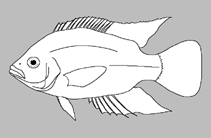
Etymology: konkourensis: The name konkourensis refers to the Konkouré River, the drainage to which the new species appears to be endemic; used as a noun in apposition (Ref. 90097).
ပတ်ဝန်းကျင် : ပတ်ဝန်းကျင် / ရာသီဥတုဇုန် / အနက္အတိုင္းအတာ / ဖြန့်ဖြူးမှုအပိုင်း
ေဂဟေဗဒကိုေလ့လာေသာ ဘာသာရပ္
; ေရခ်ိဳ ေရအနက္ဆံုးအပိုင္း. Tropical
Africa: middle Konkouré River and its tributary Kakrima River in Guinea (Ref. 90097).
အရြယ္အစား / အေလးခ်ိန္ / အသက္အရြယ္
မိ်ဳးပြားရန္အရြယ္ေရာက္ျပီ: Lm ? range ? - ? cm
Max length : 8.5 cm SL အထီး/လိြင္ခြဲျခားျခင္းမျပဳနုိင္ေသာ; (Ref. 90097)
ေက်ာဆူးေတာင္ (စုစုေပါင္း) : 16; ေက်ာဘက္တြင္ရွိေသာ ေရယက္၌ပါေသာ အမွ်င္မ်ား (စုစုေပါင္း) : 11; စအိုတြင္ရွိေသာဆူးေတာင္မ်ား: 3; စအိုနားတြင္ရွိျပီး နူးညံ့ေသာေရယက္အမွ်င္မ်ား: 8. Diagnosis: This species differs from all other tilapia except Coptodon fusiforme in a shallower body 30.0-31.5% of standard length vs. 32.9-52.5% and from Coptodon fusiforme in having 8 instead of 9-12 lower lateral line scales (Ref. 90097). It differs from all tilapia except Coptodon rheophila by additional morphological and meristic characters: stout teeth in oral jaw vs. spatulate teeth in Pelmatolapia mariae and P. cabrae; median pharyngeal teeth of lower pharyngeal jaw never broadened with crest-like cusps as in Heterotilapia cessiana and H. buttikoferi; posterior pharyngeal teeth of lower pharyngeal jaw never clearly bicuspid as in Tilapia busumana, T. pra, T. brevimanus, T. sparrmanii, T. baloni, T. ruweti and T. guinasana; vertical bars broader not than lighter interspaces; possessing slender to spatulate teeth in oral jaws as in Coelotilapia joka; no densely scaled caudal fin (Ref. 90097). Compared to Coptodon congica, C. tholloni and Congolapia bilineata, it further differs from all Coptodon, excluding C. rheophila, by a combination of the meristic characters: number of dorsal-fin spines, 16 vs. 13-17, and rays, 11 vs. 10-13; number of scales on the upper, 21 vs. 17-23, and lower lateral line, 8 vs. 7-14; and number of gill rakers, 7-9 vs. 7-12, on first ceratobranchial, excluding gill rakers on cartilaginous plague; it differs from C. rheophila by a smaller eye diameter, 7.5-7.6% of standard length vs. 8.0-10.7%, a shorter predorsal distance, 31.1-33.6% of standard length vs. 34.2-38.2%, a longer length of the base of dorsal fin, 61.4-62.3% of standard length vs. 56.9-60.9%, and a shorter pectoral fin length, 22.2-24.0% of standard length vs. 25.1-28.3% (Ref. 90097). It differs from the tilapia related species Chilochromis duponti in no densely scaled caudal fin or comb-like, spatulate teeth; from Gobiocichla in having two unconnected lateral lines vs. one continuous lateral line, and from Steatocranus in not developing a hump on forehead, and in fewer dorsal spines, 16 vs. 19-22 (Ref. 90097). The new species shares all typical Coptodon characters, which are: lower pharyngeal jaw as long as broad with anterior keel shorter than or just as long as toothed area of jaw; posterior pharyngeal teeth more or less clearly tricuspid, but sometimes quadricuspid or pentacuspid, median pharyngeal teeth never broadened with crest-like cusps; first outer gill arch bearing 10-17 rakers; two unconnected lateral lines; only cycloid scales present; 22-30 scales in the longitudinal scale row; upper and lower outer teeth rows bicuspid in both jaws, inner rows with smaller tricuspid teeth in both jaws; isognathous or retrognathous jaws; stout teeth; caudal fin not densely scaled; 13-17 dorsal spines; vertical bars, never oblique and mostly branched; pointed pelvic fin; no hump on forehead; no visor like hanging pad in pharynx; only one supraneural associated with first neural spine (Ref. 90097).
Body shape (shape guide): elongated; Cross section: compressed.
The very slender body in combination with a rounded head shape and slightly retrognathous jaws suggests that it is a benthic-rheophilic species, modified for life in rapids (Ref. 90097).
ဘဝသံသရာနှင့် မိတ်လိုက်သည့် အပြုအမူ
မိ်ဳးပြားရန္အရြယ္ေရာက္ျပီ | မ်ိဳးပြားသားေပါက္ျခင္း | သားေပါက္ျခင္း | ဥမ်ား | ဥခ်နွဳန္း | သားေလာင္း
Dunz, A.R. and U.K. Schliewen, 2013. Molecular phylogeny and revised classification of the haplotilapiine cichlid fishes formerly referred to as "Tilapia". Mol. Phylogenet. Evol. 68(1):64-80. (Ref. 93285)
စိုးရိမ္ဖြယ္အေျခအေနသို႔ေရာက္ရွိေန ေသာမ်ိဳးသုဥ္းရွားပါးေတာ့မည့္မ်ိဳးစိတ္မ်ား၏အဆင့္အတန္း (Ref. 130435: Version 2025-2 (Global))
လူသားမ်ားကို ထိတ္လန္႔ေျခာက္ျခားေစသည္။
Harmless
လူသားမ်ား၏အသံုးခ်မႈ
ပိုမိုေသာသတင္းအခ်က္အလက္မ်ားကိုရယူနုိင္ရန္္
အသံုးျပဳေသာကိရိယာ
ထူးျခားစြာေရးသားထားေသာ တင္ျပစာ
XML ကူးယူရရွိနိုင္ပါသည္
အင္တာနက္အရင္းအျမစ္
မော်ဒယ်များကို အခြေခံ၍ ခန့်မှန်းချက်
Phylogenetic diversity အညွှန်းကိန်း (က်မ္းကိုးစာရင္း
82804): PD
50 = 0.5000 [Uniqueness, from 0.5 = low to 2.0 = high].
Bayesian length-weight: a=0.00389 (0.00180 - 0.00842), b=3.12 (2.94 - 3.30), in cm total length, based on all LWR estimates for this body shape (Ref.
93245).
အစာရရွိမႈကြင္းဆက္နွင့္ အစာစားေသာအေလ့အက်င့္ (က်မ္းကိုးစာရင္း
69278): 2.7 ±0.1 se; based on size and trophs of closest relatives
ငါးဖမ်းခြင်း အားနည်းချက် (Ref.
59153): Low vulnerability (10 of 100).
🛈