>
Cypriniformes (Carps) >
Balitoridae (River loaches)
Etymology: laticauda: From Latin ‘latus’ meaning ‘broad’ and ‘cauda’ meaning ‘tail’, in reference to the deeper caudal peduncle of the species as compared to two geographically closely related species, Balitora mysorensis and Balitora brucei.
ပတ်ဝန်းကျင် : ပတ်ဝန်းကျင် / ရာသီဥတုဇုန် / အနက္အတိုင္းအတာ / ဖြန့်ဖြူးမှုအပိုင်း
ေဂဟေဗဒကိုေလ့လာေသာ ဘာသာရပ္
; ေရခ်ိဳ ေရအနက္ဆံုးအပိုင္း. Tropical
Asia: Maharashtra, India.
အရြယ္အစား / အေလးခ်ိန္ / အသက္အရြယ္
မိ်ဳးပြားရန္အရြယ္ေရာက္ျပီ: Lm ? range ? - ? cm
Max length : 8.4 cm SL အထီး/လိြင္ခြဲျခားျခင္းမျပဳနုိင္ေသာ; (Ref. 91759)
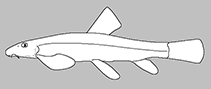
ေက်ာဘက္တြင္ရွိေသာ ေရယက္၌ပါေသာ အမွ်င္မ်ား (စုစုေပါင္း) : 10 - 11; စအိုနားတြင္ရွိျပီး နူးညံ့ေသာေရယက္အမွ်င္မ်ား: 8. Distinguished from its congeners by the following combination of characters: 10 transverse bands on the dorsal surface, deeper caudal peduncle, two prominent rows of papilla encircling upper lip where the proximate row has small papillae while distal row has larger papillae, 66-68 lateral line scales, 8-9 simple rays in pectoral fin, two simple rays in the pelvic fin and pectoral fin not surpassing pelvic fin base. Can be diagnosed from its related species in the ratios such as caudal peduncle length to depth (2.21-2.89), standard length to body depth (7.48-8.72), head length to head depth (2.11-2.50), head length to interorbital distance (2.20-2.96), head depth to head length (0.42-0.47), eye diameter to head length (0.13-0.17) and head width to gape of mouth (3.12-4.78). In terms of percent of standard length, this species can be separated from other related species with respect to caudal peduncle depth (6.3-7.4%), caudal peduncle length (15.0-20.0%), body width at anus (8.7-11.5%), body depth at anus (9.1-11.4%), pre-dorsal fin length (43.7-47.4%), prepectoral fin length (12.9-16.2%), pre-anal fin length (74.3-79.3%), pre-pelvic fin length (44.4-48.3%), pelvic fin length (19.3-23.7%), pectoral fin length (24.1-28.9%) and body depth at dorsal (11.5-13.4%) (Ref. 91759). Pectoral-fin rays viii-ix 10-11 (Ref. 93254).
Body shape (shape guide): eel-like.
Inhabits mainly streams with clear and swift current of water, rocky bottom, consisting of gravel, cobbles or large rocks (Ref. 91759).
ဘဝသံသရာနှင့် မိတ်လိုက်သည့် အပြုအမူ
မိ်ဳးပြားရန္အရြယ္ေရာက္ျပီ | မ်ိဳးပြားသားေပါက္ျခင္း | သားေပါက္ျခင္း | ဥမ်ား | ဥခ်နွဳန္း | သားေလာင္း
Bhoite, S., S. Jadhav and N. Dahanukar, 2012. Balitora laticauda, a new species of stone loach (Teleostei: Cypriniformes: Balitoridae) from Krishna River, northern Western Ghats, India. J. Threatened Taxa 4(11):3038-3049. (Ref. 91759)
စိုးရိမ္ဖြယ္အေျခအေနသို႔ေရာက္ရွိေန ေသာမ်ိဳးသုဥ္းရွားပါးေတာ့မည့္မ်ိဳးစိတ္မ်ား၏အဆင့္အတန္း (Ref. 130435: Version 2025-2 (Global))
လူသားမ်ားကို ထိတ္လန္႔ေျခာက္ျခားေစသည္။
Harmless
လူသားမ်ား၏အသံုးခ်မႈ
ပိုမိုေသာသတင္းအခ်က္အလက္မ်ားကိုရယူနုိင္ရန္္
အသံုးျပဳေသာကိရိယာ
ထူးျခားစြာေရးသားထားေသာ တင္ျပစာ
XML ကူးယူရရွိနိုင္ပါသည္
အင္တာနက္အရင္းအျမစ္
မော်ဒယ်များကို အခြေခံ၍ ခန့်မှန်းချက်
Phylogenetic diversity အညွှန်းကိန်း (က်မ္းကိုးစာရင္း
82804): PD
50 = 0.5000 [Uniqueness, from 0.5 = low to 2.0 = high].
Bayesian length-weight: a=0.00214 (0.00085 - 0.00539), b=3.09 (2.87 - 3.31), in cm total length, based on LWR estimates for this (Sub)family-body shape (Ref.
93245).
အစာရရွိမႈကြင္းဆက္နွင့္ အစာစားေသာအေလ့အက်င့္ (က်မ္းကိုးစာရင္း
69278): 2.4 ±0.2 se; based on size and trophs of closest relatives
ငါးဖမ်းခြင်း အားနည်းချက် (Ref.
59153): Low vulnerability (10 of 100).
🛈