>
Cichliformes (Cichlids, convict blennies) >
Cichlidae (Cichlids) > Pseudocrenilabrinae
Etymology: Haplochromis: Greek, Haploos = single + Greek, chromis = a fish, perhaps a perch (Ref. 45335); labiatus: Origin of specific name not explained in original description, adjective derived from the Latin noun 'labium', lip, referring to the lobed lips of this species (Ref. 126507).
More on author: Trewavas.
ສະພາບແວດລ້ອມ: ສະພາບແວດລ້ອມ / ເຂດດິນຟ້າອາກາດ / ລະດັບຄວາມເລິກ / ຂອບເຂດການແຈກຢາຍ
ນິເວດວິທະຍາ
; ນ້ຳຈືດ ກ່ຽວກັບ (ຢູ່)ເທິງຊັ້ນພື້ນດິນໃນທະເລເປີດ.
Deprecated: strtoupper(): Passing null to parameter #1 ($string) of type string is deprecated in /var/www/html/includes/speciessummary.lib.php on line 1589
Tropical; 0° - 1°S
Africa: Lake Edward system, only known from Lake Edward (Ref. 126507). Also reported from Lake George (Ref. 4983), but its morphology suggests that it belongs to a more generalistic species (Ref. 126507).
ຂະໜາດ / ນ້ຳໜັກ / ອາຍຸ
ການຈະເລີນເຕັມໄວ: Lm ? range ? - ? cm
Max length : 10.9 cm SL ຕົວຜູ້/ບໍ່ມີເພດ; (Ref. 4983)
ຄີ (ໜາມ)ແຂງຢູ່ຫຼັງປາ (ທັງໝົດ) : 15 - 17; ຄີຫຼັງຂອງປາ (ຄີອ່ອນ) (ທັງໝົດ) : 8 - 10; ຄີ(ໜາມ) ແຂງຢູ່ຄີກົ້ນປາ
ກຸ່ມປາກະດູກແຂງ
ຄວາມຖີ່ຂອງກຸ່ມຖ່າຍທອດພັນ
ປາທີ່ມີການເຄື່ອນຍ້າຍຈາກທະເລໄປຫານ້ຳຈືດ ແລະນ້ຳຈືດຫາທະເລ
ປາທີ່ມີການເຄື່ອນຍ້າຍຈາກທະເລແລະໄປໄຂ່ຢູ່ນ້ຳຈືດ
ຄີກົ້ນຂອງປາ
ສັດທີ່ມີກະດູກສັນຫັຼງ
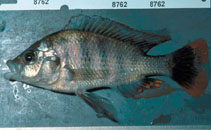
ການຖ່າຍທອດທາງກຳມະພັນຈາກພໍ່ແມ່ຫາລູກ: 3; ຄີກົ້ນຂອງປາ: 7 - 10; ສັດທີ່ມີກະດູກສັນຫຼັງ: 29 - 31. Diagnosis: Haplochromis labiatus differs from all known species of Haplochromis from the Lake Edward system by a combination of a blunt snout, retro- to isognathous jaws, deep lower jaw with blunt teeth, and lobed lips (Ref. 126507). It can be confused with H. lobatus as both have lobed lips, a small gape, a curved upper jaw with a relatively long premexillary pedicel, 78.7-111.4% of upper jaw length, stout and unicuspid outer teeth that strongly decrease in size, and a lower jaw set anteriorly with procumbently implanted outer teeth on the anterior margin of the lower jaw, 40-60° to vertical; it differs from this species by a straight to convex vs. straight to concave head, and a blunt and more broad snout vs. elongated and slender snout; it differs further in its trophic morphology: lower jaw slightly shorter, 27.7-34.3% of head length vs. 31.2-40.7%, and more broa, 71.4-92.4% of lower jaw length vs. 48.5-70.5%, jaws iso- to retrognathous vs. iso- to strongly prognathous, and anteriormost outer teeth in lower jaw more closely set, 0-1 vs. 1-2 outer tooth widths between adjacent teeth, and with shorter major cusps (Ref. 126507). Haplochromis labiatus resembles H. paucidens from Lake Kivu by a blunt head, lobed lips, and insectivorous diet; it differs by a shallower lacrimal and a larger eye, lacrimal depth 36.3-50.9% of eye diameter vs. 51.7-62.4%, and a slightly broader head, 46.1-51.0% of head length vs. 43.9-47.1%; it further differs by mainly unicuspid vs. bicuspid outer teeth with stouter major cusps and mainly unicuspid vs. tricuspid inner teeth; no notable difference in dominant male colouration has been observed but a piebald colouration is seemingly absent in H. labiatus, while it is frequently observed in H. paucidens (Ref. 126507). Haplochromis labiatus resembles superficially H. chilotes from Lake Victoria by lobed lips but differs by a blunt vs. acute snout and a larger eye, eye diameter 31.0-36.9% of head length vs. 21.8-28.6% (Ref. 126507).
Diet insectivorous (Ref. 126507).
ວົງຈອນຊີວິດ ແລະພຶດຕິກໍາການຫາຄູ່
ການຈະເລີນເຕັມໄວ | ການສືບພັນ | ການວາງໄຂ່ | ໄຂ່ | ຄວາມດົກຂອງໄຂ່ປາ | ຕົວອ່ອນ
Mouthbrooding by females.
Vranken, N., M. Van Steenberge, A. Kayenbergh and J. Snoeks, 2020. The lobed-lipped species of Haplochromis (Teleostei, Cichlidae) from Lake Edward, two instead of one. J. Great Lakes Res. 46(5):1079-1089. (Ref. 126507)
ສະຖານະພາບບັນຊີແດງຂອງ IUCN (Ref. 130435: Version 2025-2 (Global))
ໄພຂົ່ມຂູ່ຕໍ່ມະນຸດ
Harmless
ການນໍາໃຊ້ຂອງມະນຸດ
ເຄື່ອງມື
ບົດລາຍງານພິເສດ
ດາວໂຫລດ XML
ແຫຼ່ງອີນເຕີເນັດ
ການຄາດຄະເນໂດຍອີງໃສ່ແບບຈໍາລອງ
ດັດຊະນີຄວາມຫຼາກຫຼາຍທາງຊີວະພາບ (ເອກະສານອ້າງອີງ
82804): PD
50 = 0.5000 [Uniqueness, from 0.5 = low to 2.0 = high].
Bayesian length-weight: a=0.01445 (0.00671 - 0.03113), b=2.99 (2.82 - 3.16), in cm total length, based on LWR estimates for this (Sub)family-body shape (Ref.
93245).
ຊັ້ນເຂດຮ້ອນ (ເອກະສານອ້າງອີງ
69278): 3.4 ±0.4 se; based on size and trophs of closest relatives
ຄວາມຢືດຢຸ່ນ (ເອກະສານອ້າງອີງ
120179): ສູງ, ປະຊາກອນຕຳ່ສຸດທີ່ໃຊ້ເວລາສອງໜ້ອຍກວ່າ 15 ເດືອນ (Preliminary K or Fecundity.).
ຄວາມສ່ຽງຕໍ່ການຫາປາ (Ref.
59153): Low vulnerability (10 of 100).
🛈