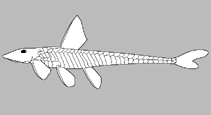
ການຈັດປະເພດ / ຊື່
ຊື່ສາມັນ | ຄຳສັບຄ້າຍຄືກັນ | Catalog of Fishes(ຕະກຸນ, ຊະນິດ) | ITIS | CoL | WoRMS | Cloffa
>
Siluriformes (Catfishes) >
Loricariidae (Armored catfishes) > Hypoptopomatinae
Etymology: Curculionichthys: Derived from the from the Latin 'curculionem' (elongated snout) and from the Greek 'ichthys' (fishes), in reference to the relatively elongated snouts of the fish species included in this genus; karipuna: The specific name refers to the Karipuna indigenous people that inhabit the region of the rio Oiapoque, northern Amapá in Brazil. A noun in apposition.
Eponymy: The Karipuna are an indigenous people who live in the region of the Rio Oiapoque, northern Amapá, Brazil, where this species occurs. (Ref. 128868), visit book page.
ສະພາບແວດລ້ອມ: ສະພາບແວດລ້ອມ / ເຂດດິນຟ້າອາກາດ / ລະດັບຄວາມເລິກ / ຂອບເຂດການແຈກຢາຍ
ນິເວດວິທະຍາ
; ນ້ຳຈືດ ອາໄສຢູ່ໃກ້ໜ້າດິນໃຕ້ພື້ນທ້ອງນ້ຳ. Tropical
South America: rio Cassiporé and rio Jari in northern Brazil.
ຂະໜາດ / ນ້ຳໜັກ / ອາຍຸ
ການຈະເລີນເຕັມໄວ: Lm ? range ? - ? cm
Max length : 2.4 cm SL ຕົວຜູ້/ບໍ່ມີເພດ; (Ref. 112322)
ຄຳອະທິບາຍສັ້ນໆ
ຕົວທີ່ໃຊ້ໃນການຈຳແນກຊະນິດ | ສະລີລະວິທະຍາ | ການວັດແທກຮູບຮ່າງລັກສະນະພາຍນອກຂອງດິນ,ສັດ,ປາ…
ຄີຫຼັງຂອງປາ (ຄີອ່ອນ) (ທັງໝົດ) : 9; ຄີກົ້ນຂອງປາ: 5; ສັດທີ່ມີກະດູກສັນຫຼັງ: 27 - 28. Curculionichthys karipuna is distinguished from all congeners, except C. sabaji and C. paresi, by having an irregular concentration of chromatophores that entirely cover the anal-fin origin and adjacent region, and distal portions of the first unbranched anal-fin ray (vs. absence of such pigmentation pattern). It can be differentiated from C. sabaji by the absence of dark-brown spots scattered over the body (vs. presence); and from C. paresi by the absence of contrasting dark spots at the anterodorsal region of body (vs. presence of such spots). It also differs from C. insperatus, C. sabaji, C. paresi and C. coxipone by having all papillae randomly distributed throughout lower lip (vs. papillae aligned in series that extends from the distal portion of lower lip to dentary). It can be diagnosed from C. insperatus and C. oliveirai by having small, inconspicuous odontodes forming rows on head and trunk (vs. presence of large, conspicuous odontodes); from C. coxipone and C. oliveirai by having a pointed profile of the anterior portion of the head (vs. rounded profile); from C. paresi by having 10-16 premaxillary teeth (vs. 6-10) and 10-14 dentary teeth (vs. 4-7); from C. sagarana by the absence of an unpaired platelet on dorsal portion of caudal peduncle (vs. presence). It can be distinguished from C. coxipone by having 27-28 vertebrae (vs. 29-30) and from C. oliveirai by having 7-8 lateral abdominal plates (vs. 4-5) (Ref. 112322).
Body shape (shape guide): elongated.
Inhabits two small, shallow, fast-flowing streams (rio Cassiporé and rio Jari) bordered with marginal vegetation. Sections of the stream of rio Cassiporé have large rocks and the vegetation has suffered high anthropic influence causing intense penetration of light. The stream of the rio Jari has 1-meter deep water in which C. karipuna lives associated to aquatic roots stuck on the border (Ref. 112322).
ວົງຈອນຊີວິດ ແລະພຶດຕິກໍາການຫາຄູ່
ການຈະເລີນເຕັມໄວ | ການສືບພັນ | ການວາງໄຂ່ | ໄຂ່ | ຄວາມດົກຂອງໄຂ່ປາ | ຕົວອ່ອນ
Silva, G.S.C., F.F. Roxo, B.F. Melo and C. Oliveira, 2016. New species of Curculionichthys (Siluriformes: Loricariidae) from the eastern Guiana Shield. Zootaxa 4175(3):281-291. (Ref. 112322)
ສະຖານະພາບບັນຊີແດງຂອງ IUCN (Ref. 130435: Version 2025-2 (Global))
ໄພຂົ່ມຂູ່ຕໍ່ມະນຸດ
Harmless
ການນໍາໃຊ້ຂອງມະນຸດ
ການປະມົງ: ທີ່ບໍ່ມີຄວາມສົນໃຈ
ເຄື່ອງມື
ບົດລາຍງານພິເສດ
ດາວໂຫລດ XML
ແຫຼ່ງອີນເຕີເນັດ
ການຄາດຄະເນໂດຍອີງໃສ່ແບບຈໍາລອງ
ດັດຊະນີຄວາມຫຼາກຫຼາຍທາງຊີວະພາບ (ເອກະສານອ້າງອີງ
82804): PD
50 = 0.5001 [Uniqueness, from 0.5 = low to 2.0 = high].
Bayesian length-weight: a=0.00977 (0.00434 - 0.02202), b=3.06 (2.87 - 3.25), in cm total length, based on LWR estimates for this (Sub)family-body shape (Ref.
93245).
ຊັ້ນເຂດຮ້ອນ (ເອກະສານອ້າງອີງ
69278): 2.7 ±0.1 se; based on size and trophs of closest relatives
ຄວາມຢືດຢຸ່ນ (ເອກະສານອ້າງອີງ
120179): ສູງ, ປະຊາກອນຕຳ່ສຸດທີ່ໃຊ້ເວລາສອງໜ້ອຍກວ່າ 15 ເດືອນ (Preliminary K or Fecundity.).
ຄວາມສ່ຽງຕໍ່ການຫາປາ (Ref.
59153): Low vulnerability (10 of 100).
🛈