ກຸ່ມປາກະດູກອ່ອນ (ເຊັ່ນ: ປາສະຫລາມ, ປາຜາໄລ) (sharks and rays) >
Pristiophoriformes (Saw sharks) >
Pristiophoridae (Saw sharks)
Etymology: Pristiophorus: pristio-, presumably derived from prio (Gr.), to saw, but treated here as a noun (a saw); phorus, from phoreus (Gr.), bearer or carrier, referring to saw-like snout (note also that pristis is Greek for sawfish) (See ETYFish); japonicus: -icus (L.), belonging to: Japan, where type locality (not specified) is situated (See ETYFish).
More on author: Günther.
ສະພາບແວດລ້ອມ: ສະພາບແວດລ້ອມ / ເຂດດິນຟ້າອາກາດ / ລະດັບຄວາມເລິກ / ຂອບເຂດການແຈກຢາຍ
ນິເວດວິທະຍາ
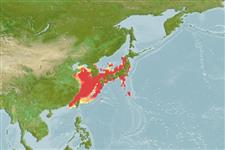
ສັດທະເລ ອາໄສຢູ່ໃກ້ໜ້າດິນໃຕ້ພື້ນທ້ອງນ້ຳ; ລະດັບຄວາມເລິກ 0 - 500 m (Ref. 54710). Deep-water; 48°N - 22°N, 118°E - 145°E (Ref. 54710)
Northwest Pacific: Japan, Korea, northern China. Does not occur in the Western Central Pacific (Ref. 31368).
ຂະໜາດ / ນ້ຳໜັກ / ອາຍຸ
ການຈະເລີນເຕັມໄວ: Lm ? range ? - ? cm
Max length : 136.0 cm TL (female)
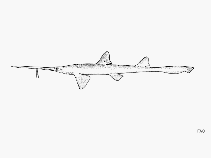
Pristiophorus japonicus has a long, narrow, and narrowly tapering rostrum (rostrum length is 26-29% of TL), distance from rostral tip to barbels about equal or slightly greater than distance from barbels to mouth (1:1.1-1.2); distance from rostral barbels to nostrils about equal to distance from nostrils to 1st gill slits. About 15-26 large rostral teeth on each side of the rostrum in front of the barbels, 9-17+ behind them; distance from mouth to nostrils 1.1-1.2 times internarial space. Tooth rows 34-58 in upper jaw. Dorsal and pectoral fins covered with denticles in large specimens. Lateral trunk denticles largely unicuspidate. First dorsal fin origin behind free rear tips of pectorals by eye length or more (Ref. 247).
Caudal fin almost straight, with slender upper and lower lobes; pectoral well developed but are not ray-like (Ref. 6871).
Body shape (shape guide): elongated.
Lives on continental shelves and upper slopes on or near the bottom. Also found in coastal waters on sand or mud bottoms. Feeds on small bottom organisms using its barbels to poke the bottom with its snout. Ovoviviparous, with 12 young in a litter.
ວົງຈອນຊີວິດ ແລະພຶດຕິກໍາການຫາຄູ່
ການຈະເລີນເຕັມໄວ | ການສືບພັນ | ການວາງໄຂ່ | ໄຂ່ | ຄວາມດົກຂອງໄຂ່ປາ | ຕົວອ່ອນ
Ovoviviparous, embryos feed solely on yolk (Ref. 50449).
Compagno, L.J.V., 1984. FAO Species Catalogue. Vol. 4. Sharks of the world. An annotated and illustrated catalogue of shark species known to date. Part 1 - Hexanchiformes to Lamniformes. FAO Fish. Synop. 125(4/1):1-249. Rome, FAO. (Ref. 247)
ສະຖານະພາບບັນຊີແດງຂອງ IUCN (Ref. 130435: Version 2025-2 (Global))
ໄພຂົ່ມຂູ່ຕໍ່ມະນຸດ
Harmless
ການນໍາໃຊ້ຂອງມະນຸດ
ການປະມົງ: ເປັນສີນຄ້າ
ເຄື່ອງມື
ບົດລາຍງານພິເສດ
ດາວໂຫລດ XML
ແຫຼ່ງອີນເຕີເນັດ
ການຄາດຄະເນໂດຍອີງໃສ່ແບບຈໍາລອງ
ອຸນຫະພູມທີ່ຕ້ອງການ (ເອກະສານອ້າງອີງ
123201): 7.7 - 21.8, mean 17.4 °C (based on 199 cells).
ດັດຊະນີຄວາມຫຼາກຫຼາຍທາງຊີວະພາບ (ເອກະສານອ້າງອີງ
82804): PD
50 = 0.5098 [Uniqueness, from 0.5 = low to 2.0 = high].
Bayesian length-weight: a=0.00389 (0.00180 - 0.00842), b=3.12 (2.94 - 3.30), in cm total length, based on all LWR estimates for this body shape (Ref.
93245).
ຊັ້ນເຂດຮ້ອນ (ເອກະສານອ້າງອີງ
69278): 3.8 ±0.58 se; based on food items.
ຄວາມຢືດຢຸ່ນ (ເອກະສານອ້າງອີງ
120179): ຕຳ່, ປະຊາກອນຕຳ່ສຸດທີ່ໃຊ້ເວລາສອງເທົ່າ 4.5 - 14 ປີ (Fec=12).
ຄວາມສ່ຽງຕໍ່ການຫາປາ (Ref.
59153): Very high vulnerability (82 of 100).
🛈