>
Characiformes (Characins) >
Distichodontidae (Distichodus)
Etymology: Nannocharax: Latin, nannus = small + Greek, charax = a marine fish without identification (Ref. 45335); luapulae: Specific name, luapulae, is named after the Luapula River, from which the holotype was collected (Ref. 129519).
More on author: Boulenger.
ສະພາບແວດລ້ອມ: ສະພາບແວດລ້ອມ / ເຂດດິນຟ້າອາກາດ / ລະດັບຄວາມເລິກ / ຂອບເຂດການແຈກຢາຍ
ນິເວດວິທະຍາ
; ນ້ຳຈືດ ກ່ຽວກັບ (ຢູ່) ໄກ້ໜ້ານ້ຳໃນທະເລເປີດ; pH range: 6.8 - 6.8. Tropical; 19°C - 19°C (Ref. 129519)
Africa: restricted ot Bangweulu-Mweru ecoregion in Democratic Republic of the Congo and Zambia (Ref. 95585, 129519), including Luapula River (Ref. 42540, 129519). Its occurrence in Upper Lualaba River (Ref. 2970) and lower Lufira River is not confirmed (Ref. 129519).
ຂະໜາດ / ນ້ຳໜັກ / ອາຍຸ
ການຈະເລີນເຕັມໄວ: Lm ? range ? - ? cm
Max length : 4.6 cm TL ຕົວຜູ້/ບໍ່ມີເພດ; (Ref. 129519)
ຄຳອະທິບາຍສັ້ນໆ
ຕົວທີ່ໃຊ້ໃນການຈຳແນກຊະນິດ | ສະລີລະວິທະຍາ | ການວັດແທກຮູບຮ່າງລັກສະນະພາຍນອກຂອງດິນ,ສັດ,ປາ…
ຄີ (ໜາມ)ແຂງຢູ່ຫຼັງປາ (ທັງໝົດ) : 0; ຄີຫຼັງຂອງປາ (ຄີອ່ອນ) (ທັງໝົດ) : 12 - 13; ຄີ(ໜາມ) ແຂງຢູ່ຄີກົ້ນປາ
ກຸ່ມປາກະດູກແຂງ
ຄວາມຖີ່ຂອງກຸ່ມຖ່າຍທອດພັນ
ປາທີ່ມີການເຄື່ອນຍ້າຍຈາກທະເລໄປຫານ້ຳຈືດ ແລະນ້ຳຈືດຫາທະເລ
ປາທີ່ມີການເຄື່ອນຍ້າຍຈາກທະເລແລະໄປໄຂ່ຢູ່ນ້ຳຈືດ
ຄີກົ້ນຂອງປາ
ສັດທີ່ມີກະດູກສັນຫັຼງ
ການຖ່າຍທອດທາງກຳມະພັນຈາກພໍ່ແມ່ຫາລູກ: 0; ຄີກົ້ນຂອງປາ: 8; ສັດທີ່ມີກະດູກສັນຫຼັງ: 39. Diagnosis: Nannocharax luapulae can be distinguished from all its congeners by the following unique combination of characters: its body colouration, which consist of 8 to 10 vertically ovoid or rounded black blotches that overlie a longitudinal mid-lateral black stripe vs. largely unpigmented body with only a black spot at the base of the caudal fin in N. hastatus, N. maculicauda and N. ocellicauda, six or seven rounded, well-spaced, mid-lateral black spots in N. gracilis, 17 black bars in N. fasciolaris, a broad black longitudinal band running on flanks along two rows of scales in N. latifasciatus, or a thin black lateral band covering only the lateral line scales, extending from snout to median rays of caudal fin in N. taenia; a completely pored lateral line vs. incompletely pored in N. angolensis, N. dageti, N. lineostriatus, N. machadoi, N. minutus, N. monardi, N. multifasciatus, N. rubensteini, N. uniocellatus and N. wittei; 49-55 lateral line scales vs. 38-40 scales in N. altus, 40-45 scales in N. ansorgii, 37-40 scales in N. brevis, 38-42 scales in N. fasciatus, 37-43 scales in N. hadros, 42 scales in N. hollyi, 45-48 scales in N. macropterus, 36-37 scales in N. micros, 36 scales in N. ogoensis, 36-40 scales in N. parvus, 38-43 scales in N. procatopus, 38 scales in N. pteron, 46-48 scales in N. reidi, 46-48 scales in N. signifer, 38-39 scales in N. schoutedeni, 43-44 scales in N. seyboldi, 38-44 scales in N. usongo and 39-43 scales in N. zebra; and a dorsal-fin origin that is situated anterior, 1-2 lateral line scales, to the pelvic-fin origin vs. origin situated well behind the pelvic-fin origin in N. lineomaculatus, N. rubrolabiatus, or at the same level in N. elongatus, N. intermedius, N. niloticus and N. occidentalis (Ref. 129519). Nannocharax luapulae is most similar to N. chochamandai but can be distinguished from it by a low number of branched soft fin rays in dorsal and anal fins, 9-10 and 5 vs. 11-12 and 8-9; a high number of lateral ine scales, 49-55 vs. 41-46; a short pectoral fin, 18.3-20.6% of standard length, not reaching the pelvic-fin insertion but extending to the level of the anterior dorsal-fin base origin, vs. 21.6-28.4% of standard length, reaching the pelvic-fin insertion and the level of about the middle of the dorsal-fin base; a short pelvic fin, 20.0-22.9% of standard length, not reaching the anal-fin insertion but extending to about mid-level of the dorsal-adipose fin distance, vs. 24.3-30.6% of standard length, reaching the anal-fin insertion and the level of the last one fourth of the dorsal-adipose fin distance; and a short anal fin, 13.6-15.1% of standard length vs. 15.6-19.0% (Ref. 129519).
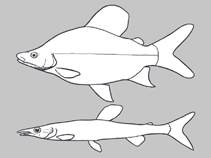
Body shape (shape guide): elongated.
ວົງຈອນຊີວິດ ແລະພຶດຕິກໍາການຫາຄູ່
ການຈະເລີນເຕັມໄວ | ການສືບພັນ | ການວາງໄຂ່ | ໄຂ່ | ຄວາມດົກຂອງໄຂ່ປາ | ຕົວອ່ອນ
Daget, J. and J.-P. Gosse, 1984. Distichodontidae. p. 184-211. In J. Daget, J.-P. Gosse and D.F.E. Thys van den Audenaerde (eds.) Check-list of the freshwater fishes of Africa (CLOFFA). ORSTOM, Paris and MRAC, Tervuren. Vol. 1. (Ref. 7094)
ສະຖານະພາບບັນຊີແດງຂອງ IUCN (Ref. 130435: Version 2025-2 (Global))
ໄພຂົ່ມຂູ່ຕໍ່ມະນຸດ
Harmless
ການນໍາໃຊ້ຂອງມະນຸດ
ການປະມົງ: ທີ່ອາດມີຄວາມສົນໃຈ
ເຄື່ອງມື
ບົດລາຍງານພິເສດ
ດາວໂຫລດ XML
ແຫຼ່ງອີນເຕີເນັດ
ການຄາດຄະເນໂດຍອີງໃສ່ແບບຈໍາລອງ
ດັດຊະນີຄວາມຫຼາກຫຼາຍທາງຊີວະພາບ (ເອກະສານອ້າງອີງ
82804): PD
50 = 0.5000 [Uniqueness, from 0.5 = low to 2.0 = high].
Bayesian length-weight: a=0.00447 (0.00186 - 0.01072), b=3.17 (2.97 - 3.37), in cm total length, based on LWR estimates for this (Sub)family-body shape (Ref.
93245).
ຊັ້ນເຂດຮ້ອນ (ເອກະສານອ້າງອີງ
69278): 3.1 ±0.4 se; based on size and trophs of closest relatives
ຄວາມສ່ຽງຕໍ່ການຫາປາ (Ref.
59153): Low vulnerability (10 of 100).
🛈