>
Ovalentaria/misc (Various families in series Ovalentaria) >
Plesiopidae (Roundheads) > Plesiopinae
Etymology: Plesiops: Greek, plesios = near + Greek, ops = appearance (Ref. 45335); corallicola: Specific epithet refers to the habitat of the species, a coral-dweller (Ref. 27772).
More on author: Bleeker.
ສະພາບແວດລ້ອມ: ສະພາບແວດລ້ອມ / ເຂດດິນຟ້າອາກາດ / ລະດັບຄວາມເລິກ / ຂອບເຂດການແຈກຢາຍ
ນິເວດວິທະຍາ
ສັດທະເລ ກ່ຽວກັນຫີນ; ລະດັບຄວາມເລິກ 1 - 23 m (Ref. 9710), usually 1 - 10 m (Ref. 27115). Tropical; 23°C - 27°C (Ref. 130634); 32°N - 24°S
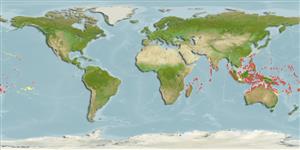
Indo-Pacific: Madagascar to the Line Islands; north to southern Japan, south to the southern Great Barrier Reef and Tonga. Throughout Micronesia.
ຂະໜາດ / ນ້ຳໜັກ / ອາຍຸ
ການຈະເລີນເຕັມໄວ: Lm ? range ? - ? cm
Max length : 18.0 cm TL ຕົວຜູ້/ບໍ່ມີເພດ; (Ref. 90102)
ຄີ (ໜາມ)ແຂງຢູ່ຫຼັງປາ (ທັງໝົດ) : 12; ຄີຫຼັງຂອງປາ (ຄີອ່ອນ) (ທັງໝົດ) : 7 - 8; ຄີ(ໜາມ) ແຂງຢູ່ຄີກົ້ນປາ
ກຸ່ມປາກະດູກແຂງ
ຄວາມຖີ່ຂອງກຸ່ມຖ່າຍທອດພັນ
ປາທີ່ມີການເຄື່ອນຍ້າຍຈາກທະເລໄປຫານ້ຳຈືດ ແລະນ້ຳຈືດຫາທະເລ
ປາທີ່ມີການເຄື່ອນຍ້າຍຈາກທະເລແລະໄປໄຂ່ຢູ່ນ້ຳຈືດ
ຄີກົ້ນຂອງປາ
ສັດທີ່ມີກະດູກສັນຫັຼງ
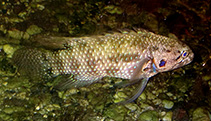
ການຖ່າຍທອດທາງກຳມະພັນຈາກພໍ່ແມ່ຫາລູກ: 3; ຄີກົ້ນຂອງປາ: 8. Coloration can vary from pale gray with black blotches and blue dots to an almost uniformly black except for the ever-present blue ocellus on the edge of its operculum.
Body shape (shape guide): elongated; Cross section: compressed.
Adults are benthic which occur inshore (Ref. 7300). Relatively common on reef flats, searching under rocks or in crevices for small fishes and crustaceans which serve as food (Ref. 1602). Common, but hidden in holes by day. They venture out to feed on small invertebrates and fishes at night (Ref. 9710). Apparently, gastropods form an important component of the diet as indicated by X-ray radiographs (Ref. 27772). Eggs are guarded by the male parent (Ref. 205). Aquarium breeding is possible (Ref. 130634). Minimum depth reported from Ref. 27115.
ວົງຈອນຊີວິດ ແລະພຶດຕິກໍາການຫາຄູ່
ການຈະເລີນເຕັມໄວ | ການສືບພັນ | ການວາງໄຂ່ | ໄຂ່ | ຄວາມດົກຂອງໄຂ່ປາ | ຕົວອ່ອນ
Eggs are guarded by the male parent (Ref. 205).
Mooi, R.D., 1995. Revision, phylogeny, and discussion of biology and biogeography of the fish genus Plesiops (Perciformes: Plesiopsidae). Life Sci. Contrib. No. 159, 108 p. (Ref. 27772)
ສະຖານະພາບບັນຊີແດງຂອງ IUCN (Ref. 130435: Version 2025-2 (Global))
ໄພຂົ່ມຂູ່ຕໍ່ມະນຸດ
Harmless
ການນໍາໃຊ້ຂອງມະນຸດ
ການປະມົງ: ເປັນສີນຄ້າ; ຕູ້ປາ: ເປັນສີນຄ້າ
ເຄື່ອງມື
ບົດລາຍງານພິເສດ
ດາວໂຫລດ XML
ແຫຼ່ງອີນເຕີເນັດ
ການຄາດຄະເນໂດຍອີງໃສ່ແບບຈໍາລອງ
ອຸນຫະພູມທີ່ຕ້ອງການ (ເອກະສານອ້າງອີງ
123201): 26.3 - 29.3, mean 28.6 °C (based on 2693 cells).
ດັດຊະນີຄວາມຫຼາກຫຼາຍທາງຊີວະພາບ (ເອກະສານອ້າງອີງ
82804): PD
50 = 0.5000 [Uniqueness, from 0.5 = low to 2.0 = high].
Bayesian length-weight: a=0.00468 (0.00172 - 0.01274), b=3.18 (2.95 - 3.41), in cm total length, based on LWR estimates for this (Sub)family-body shape (Ref.
93245).
ຊັ້ນເຂດຮ້ອນ (ເອກະສານອ້າງອີງ
69278): 3.7 ±0.58 se; based on food items.
ຄວາມຢືດຢຸ່ນ (ເອກະສານອ້າງອີງ
120179): ຂະໜາດກາງ, ປະຊາກອນຕຳ່ສຸດທີ່ໃຊ້ເວລາສອງເທົ່າ 1.4 - 4.4 ປີ (Preliminary K or Fecundity.).
ຄວາມສ່ຽງຕໍ່ການຫາປາ (Ref.
59153): Low vulnerability (10 of 100).
🛈
ທາດອາຫານ (Ref.
124155): Calcium = 86.8 [46.0, 136.3] mg/100g; Iron = 0.604 [0.370, 0.980] mg/100g; Protein = 18.6 [17.5, 19.6] %; Omega3 = 0.0952 [, ] g/100g; Selenium = 24.7 [12.4, 48.8] μg/100g; VitaminA = 131 [46, 357] μg/100g; Zinc = 1.5 [1.0, 2.1] mg/100g (wet weight);