ການຈັດປະເພດ / ຊື່
ຊື່ສາມັນ | ຄຳສັບຄ້າຍຄືກັນ | Catalog of Fishes(ຕະກຸນ, ຊະນິດ) | ITIS | CoL | WoRMS | Cloffa
ສະພາບແວດລ້ອມ: ສະພາບແວດລ້ອມ / ເຂດດິນຟ້າອາກາດ / ລະດັບຄວາມເລິກ / ຂອບເຂດການແຈກຢາຍ
ນິເວດວິທະຍາ
ສັດທະເລ ກ່ຽວກັນຫີນ; ລະດັບຄວາມເລິກ ? - 100 m (Ref. 9710). Tropical; 36°N - 30°S, 32°E - 174°W
Indo-West Pacific: Red Sea and the East Africa to Palau and New Caledonia, north to Ryukyu and Ogasawara islands (Ref. 559, 26066), south to Australia. Recently reported from Tonga (Ref. 53797).
ຂະໜາດ / ນ້ຳໜັກ / ອາຍຸ
ການຈະເລີນເຕັມໄວ: Lm ? range ? - ? cm
Max length : 120 cm FL ຕົວຜູ້/ບໍ່ມີເພດ; (Ref. 3678); common length : 90.0 cm TL ຕົວຜູ້/ບໍ່ມີເພດ; (Ref. 5450); ນ້ຳໜັກສູງສຸດທີ່ເຄຍຈັດພີມມາ: 18.0 kg (Ref. 3287)
ຄີ (ໜາມ)ແຂງຢູ່ຫຼັງປາ (ທັງໝົດ) : 9; ຄີຫຼັງຂອງປາ (ຄີອ່ອນ) (ທັງໝົດ) : 25 - 30; ຄີ(ໜາມ) ແຂງຢູ່ຄີກົ້ນປາ
ກຸ່ມປາກະດູກແຂງ
ຄວາມຖີ່ຂອງກຸ່ມຖ່າຍທອດພັນ
ປາທີ່ມີການເຄື່ອນຍ້າຍຈາກທະເລໄປຫານ້ຳຈືດ ແລະນ້ຳຈືດຫາທະເລ
ປາທີ່ມີການເຄື່ອນຍ້າຍຈາກທະເລແລະໄປໄຂ່ຢູ່ນ້ຳຈືດ
ຄີກົ້ນຂອງປາ
ສັດທີ່ມີກະດູກສັນຫັຼງ
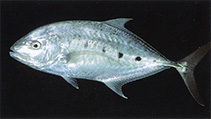
ການຖ່າຍທອດທາງກຳມະພັນຈາກພໍ່ແມ່ຫາລູກ: 3; ຄີກົ້ນຂອງປາ: 21 - 26; ສັດທີ່ມີກະດູກສັນຫຼັງ: 24. This species is distinguished by having the following characters: body subovate and compressed, becoming elongate-ovate and slightly subcylindrical with age; profile of head and nape slightly angular becoming more steep with age; mouth cleft of adults distinctly below level of eye; D1 VIII, D2 I,25-30, lobe of second dorsal fin shorter than head length; A II (2 detached spines) + I, 21-26 (rarely 25 or 26); gill rakers (including rudiments) 6-8 + 17-21 = 22-27; vertebrae 10 + 14; straight part of lateral line with 18-27 scales followed by 15-21 small scutes; breast naked ventrally to distinctly behind origin of pelvic fins; breast squamation variable laterally, either separated from naked base of pectoral fins by a moderate to very narrow band of scales or naked area of breast uninterrupted to naked base of pectoral fins; colour of adults iridescent blue-green above, silvery below; with numerous small gold or brassy spots mainly on dorsal half; large adult with 3 (to 5) irregular black blotches on flanks (sometimes very indistinct or absent, the first below dorsal-fin lobe, the second at inflection point of lateral line, and the third slightly anterior to midpoint of straight part of lateral line (Ref. 9894, 90102).
Body shape (shape guide): fusiform / normal; Cross section: compressed.
Adults prefer rocky and coral reef areas, but also found on offshore banks (Ref. 30573). They occur singly or in small to large schools (Ref. 9710, 48635, 90102). They feed on small invertebrates and fishes (Ref. 5213).
ວົງຈອນຊີວິດ ແລະພຶດຕິກໍາການຫາຄູ່
ການຈະເລີນເຕັມໄວ | ການສືບພັນ | ການວາງໄຂ່ | ໄຂ່ | ຄວາມດົກຂອງໄຂ່ປາ | ຕົວອ່ອນ
Paxton, J.R., D.F. Hoese, G.R. Allen and J.E. Hanley, 1989. Pisces. Petromyzontidae to Carangidae. Zoological Catalogue of Australia, Vol. 7. Australian Government Publishing Service, Canberra, 665 p. (Ref. 7300)
ສະຖານະພາບບັນຊີແດງຂອງ IUCN (Ref. 130435: Version 2025-2 (Global))
ໄພຂົ່ມຂູ່ຕໍ່ມະນຸດ
Harmless
ການນໍາໃຊ້ຂອງມະນຸດ
ການປະມົງ: ເປັນສີນຄ້າ; ຊະນິດປາທີ່ຖືກນຳໃຊ້ເຂົ້າໃນການຫາເພື່ອເປັນເກມກິລາ: ແມ່ນ
ເຄື່ອງມື
ບົດລາຍງານພິເສດ
ດາວໂຫລດ XML
ແຫຼ່ງອີນເຕີເນັດ
ການຄາດຄະເນໂດຍອີງໃສ່ແບບຈໍາລອງ
ອຸນຫະພູມທີ່ຕ້ອງການ (ເອກະສານອ້າງອີງ
123201): 23.3 - 29.1, mean 27.9 °C (based on 2214 cells).
ດັດຊະນີຄວາມຫຼາກຫຼາຍທາງຊີວະພາບ (ເອກະສານອ້າງອີງ
82804): PD
50 = 0.6250 [Uniqueness, from 0.5 = low to 2.0 = high].
Bayesian length-weight: a=0.01413 (0.00943 - 0.02116), b=2.92 (2.80 - 3.04), in cm total length, based on LWR estimates for this species & (Sub)family-body (Ref.
93245).
ຊັ້ນເຂດຮ້ອນ (ເອກະສານອ້າງອີງ
69278): 4.4 ±0.5 se; based on diet studies.
ຄວາມຢືດຢຸ່ນ (ເອກະສານອ້າງອີງ
120179): ຕຳ່, ປະຊາກອນຕຳ່ສຸດທີ່ໃຊ້ເວລາສອງເທົ່າ 4.5 - 14 ປີ (Preliminary K or Fecundity.).
ຄວາມສ່ຽງຕໍ່ການຫາປາ (Ref.
59153): Very high vulnerability (80 of 100).
🛈
ຄວາມສ່ຽງດ້ານສະພາບອາກາດ (Ref.
125649): Very high vulnerability (89 of 100).
🛈
ທາດອາຫານ (Ref.
124155): Calcium = 17.5 [10.9, 34.7] mg/100g; Iron = 0.933 [0.428, 1.823] mg/100g; Protein = 20.4 [17.8, 22.5] %; Omega3 = 0.158 [0.094, 0.266] g/100g; Selenium = 12.9 [6.3, 25.2] μg/100g; VitaminA = 42.1 [7.5, 259.0] μg/100g; Zinc = 0.536 [0.287, 1.204] mg/100g (wet weight); based on
nutrient studies.