>
Cichliformes (Cichlids, convict blennies) >
Cichlidae (Cichlids) > Pseudocrenilabrinae
Etymology: Oreochromis: Latin, aurum = gold + Greek, chromis = a fish, perhaps a perch (Ref. 45335).
Eponymy: Henry Charles Vicars Hunter (1861–1934) was a Fellow of the Zoological Society of London, a big-game hunter and amateur naturalist. [...] (Ref. 128868), visit book page.
More on author: Günther.
ສະພາບແວດລ້ອມ: ສະພາບແວດລ້ອມ / ເຂດດິນຟ້າອາກາດ / ລະດັບຄວາມເລິກ / ຂອບເຂດການແຈກຢາຍ
ນິເວດວິທະຍາ
; ນ້ຳຈືດ ກ່ຽວກັບ (ຢູ່)ເທິງຊັ້ນພື້ນດິນໃນທະເລເປີດ. Tropical
Africa: endemic to Lake Chala in Kenya (Ref. 52331) and Tanzania (Ref. 118630).
ຂະໜາດ / ນ້ຳໜັກ / ອາຍຸ
ການຈະເລີນເຕັມໄວ: Lm ? range ? - ? cm
Max length : 30.0 cm SL ຕົວຜູ້/ບໍ່ມີເພດ; (Ref. 4967)
ຄີ (ໜາມ)ແຂງຢູ່ຫຼັງປາ (ທັງໝົດ) : 16 - 17; ຄີຫຼັງຂອງປາ (ຄີອ່ອນ) (ທັງໝົດ) : 11 - 13; ຄີ(ໜາມ) ແຂງຢູ່ຄີກົ້ນປາ
ກຸ່ມປາກະດູກແຂງ
ຄວາມຖີ່ຂອງກຸ່ມຖ່າຍທອດພັນ
ປາທີ່ມີການເຄື່ອນຍ້າຍຈາກທະເລໄປຫານ້ຳຈືດ ແລະນ້ຳຈືດຫາທະເລ
ປາທີ່ມີການເຄື່ອນຍ້າຍຈາກທະເລແລະໄປໄຂ່ຢູ່ນ້ຳຈືດ
ຄີກົ້ນຂອງປາ
ສັດທີ່ມີກະດູກສັນຫັຼງ
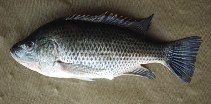
ການຖ່າຍທອດທາງກຳມະພັນຈາກພໍ່ແມ່ຫາລູກ: 3 - 4; ຄີກົ້ນຂອງປາ: 10 - 16; ສັດທີ່ມີກະດູກສັນຫຼັງ: 31 - 34. Diagnosis: A large bodied tilapia, with a relatively large and forward-facing snout, body at least 2.8 times as long as deep (Ref. 4967, 118638). The species can be distinguished by following characters: teeth very small, in narrow bands; pharyngeal bone narrow, its width about 26% length of head, with fine teeth, crowded posteriorly, the blade equal to the median length of the toothed area in young, about 1.5 times as long in adults; pectoral fin usually less than 36% of standard length; anal spines III-IV; scales of chest and belly very small, in some individuals showing an abrupt transition from the flank scales for a short distance behind the pectoral-pelvic interspace; in some the dorsal scales may also be small; and caudal peduncle at least 1.3 times longer than deep (Ref. 2, 4967). Males characterised by an intricate melanin pattern on the head, flank scales that are darker towards posterior side, and a background light grey-blue colour; the dorsal region is darker than the ventral, and ripe males with dark pectoral, anal, caudal fins, while the dorsal fin is dark with orange margins; females with less contrasting colours, with flanks uniformly grey or olive, with a lighter ventral region (Ref. 118638).
Body shape (shape guide): short and / or deep; Cross section: compressed.
Only found in Lake Chala (Ref. 2, 4967, 36900); several non-native tilapias are now established in this small lake as a result of stocking, and Oreochromis hunteri is apparently much less common than previously (Ref. 118638). Sometimes swimming in shoals (Ref. 36900, 55060). It feeds on algae and debris off the bottom between the rocks near the shore (Ref. 2, 55060). A maternal mouthbrooder (Ref. 118638). Fished in Lake Chala (Ref. 118638). IUCN conservation status is critically endangered (Ref. 118638).
ວົງຈອນຊີວິດ ແລະພຶດຕິກໍາການຫາຄູ່
ການຈະເລີນເຕັມໄວ | ການສືບພັນ | ການວາງໄຂ່ | ໄຂ່ | ຄວາມດົກຂອງໄຂ່ປາ | ຕົວອ່ອນ
A maternal mouthbrooder (Ref. 118638).
Trewavas, E., 1983. Tilapiine fishes of the genera Sarotherodon, Oreochromis and Danakilia. British Mus. Nat. Hist., London, UK. 583 p. (Ref. 2)
ສະຖານະພາບບັນຊີແດງຂອງ IUCN (Ref. 130435: Version 2025-2 (Global))
ໄພຂົ່ມຂູ່ຕໍ່ມະນຸດ
Harmless
ການນໍາໃຊ້ຂອງມະນຸດ
ເຄື່ອງມື
ບົດລາຍງານພິເສດ
ດາວໂຫລດ XML
ແຫຼ່ງອີນເຕີເນັດ
ການຄາດຄະເນໂດຍອີງໃສ່ແບບຈໍາລອງ
ດັດຊະນີຄວາມຫຼາກຫຼາຍທາງຊີວະພາບ (ເອກະສານອ້າງອີງ
82804): PD
50 = 0.5000 [Uniqueness, from 0.5 = low to 2.0 = high].
Bayesian length-weight: a=0.01905 (0.00846 - 0.04293), b=3.01 (2.82 - 3.20), in cm total length, based on LWR estimates for this (Sub)family-body shape (Ref.
93245).
ຊັ້ນເຂດຮ້ອນ (ເອກະສານອ້າງອີງ
69278): 2.0 ±0.00 se; based on food items.
ຄວາມຢືດຢຸ່ນ (ເອກະສານອ້າງອີງ
120179): ຂະໜາດກາງ, ປະຊາກອນຕຳ່ສຸດທີ່ໃຊ້ເວລາສອງເທົ່າ 1.4 - 4.4 ປີ (Preliminary K or Fecundity.).
ຄວາມສ່ຽງຕໍ່ການຫາປາ (Ref.
59153): Low to moderate vulnerability (27 of 100).
🛈