>
Gobiiformes (Gobies) >
Gobiidae (Gobies) > Gobiinae
Etymology: Acentrogobius: Greek, a = without + Greek, kentron = sting + Latin gobius = gudgeon (Ref. 45335).
More on author: Herre.
ສະພາບແວດລ້ອມ: ສະພາບແວດລ້ອມ / ເຂດດິນຟ້າອາກາດ / ລະດັບຄວາມເລິກ / ຂອບເຂດການແຈກຢາຍ
ນິເວດວິທະຍາ
ສັດທະເລ; ນ້ຳກ່ອຍ ອາໄສຢູ່ໃກ້ໜ້າດິນໃຕ້ພື້ນທ້ອງນ້ຳ; ລະດັບຄວາມເລິກ 1 - 7 m (Ref. 138301). Tropical
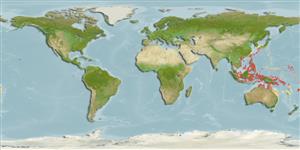
Indo-West Pacific: Saudi Arabia, Thailand, Indonesia, Palau, the Philippines, and Japan,
ຂະໜາດ / ນ້ຳໜັກ / ອາຍຸ
ການຈະເລີນເຕັມໄວ: Lm ? range ? - ? cm
Max length : 3.3 cm SL ຕົວຜູ້/ບໍ່ມີເພດ; (Ref. 7050)
ຄີ (ໜາມ)ແຂງຢູ່ຫຼັງປາ (ທັງໝົດ) : 7; ຄີຫຼັງຂອງປາ (ຄີອ່ອນ) (ທັງໝົດ) : 9 - 10; ຄີ(ໜາມ) ແຂງຢູ່ຄີກົ້ນປາ
ກຸ່ມປາກະດູກແຂງ
ຄວາມຖີ່ຂອງກຸ່ມຖ່າຍທອດພັນ
ປາທີ່ມີການເຄື່ອນຍ້າຍຈາກທະເລໄປຫານ້ຳຈືດ ແລະນ້ຳຈືດຫາທະເລ
ປາທີ່ມີການເຄື່ອນຍ້າຍຈາກທະເລແລະໄປໄຂ່ຢູ່ນ້ຳຈືດ
ຄີກົ້ນຂອງປາ
ສັດທີ່ມີກະດູກສັນຫັຼງ
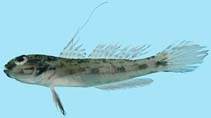
ການຖ່າຍທອດທາງກຳມະພັນຈາກພໍ່ແມ່ຫາລູກ: 1; ຄີກົ້ນຂອງປາ: 9 - 10. This species is distinguished from all its congeners by the following set of characters: D VI-I, 9 or 10; anal-fin rays I,9 or 10; pectoral-fin rays 16 or 17; longitudinal scale series 27-29; transverse scales 9-11 (modally 10); pre-dorsal scales 0-9; first to third spines of the first dorsal fin with filamentous tips (usually the second spine has the longest); head and nape naked with body mostly covered with ctenoid scales; cycloid or weakly ctenoid scales on thorax and just above pectoral-fin base; papillae on cheek forming a longitudinal pattern while papillae on chin forming single transverse row. Colouration: brown stripes two from just behind pectoral-fin base to caudal-fin base; body with dark brown lateral blotches 5 (rarely 6), between lateral stripes; when fresh, blue spots (sometimes indistinct) between and just above lateral stripes, absent on lateral blotches; a black blotch on opercle; single black spot on chin; longitudinal red stripe on upper margin of caudal fin, with longitudinal bluish or yellowish stripe just below red stripe (Ref. 138301).
Body shape (shape guide): elongated; Cross section: oval.
Inhabits intertidal to subtidal zones (up to 7 m) in river mouths and coastal areas, with field surveys observing its preference for more clay-like substrate and often collected with Caragobius urolepis at the tidal flat in Japan (Ref. 138301). Also collected from silty sand and mud bottoms, usually near mouth of streams, and occasionally near reefs in 1-4 m (Ref. 90102).
ວົງຈອນຊີວິດ ແລະພຶດຕິກໍາການຫາຄູ່
ການຈະເລີນເຕັມໄວ | ການສືບພັນ | ການວາງໄຂ່ | ໄຂ່ | ຄວາມດົກຂອງໄຂ່ປາ | ຕົວອ່ອນ
Koreeda, R. and H. Motomura, 2025. A new species of Acentrogobius (Perciformes: Gobiidae) from the Indo-West Pacific, with a revised diagnosis for Acentrogobius suluensis (Herre 1927). Ichthyol. Res. 2025. (Ref. 138301)
ສະຖານະພາບບັນຊີແດງຂອງ IUCN (Ref. 130435: Version 2025-2 (Global))
ໄພຂົ່ມຂູ່ຕໍ່ມະນຸດ
Harmless
ການນໍາໃຊ້ຂອງມະນຸດ
ເຄື່ອງມື
ບົດລາຍງານພິເສດ
ດາວໂຫລດ XML
ແຫຼ່ງອີນເຕີເນັດ
ການຄາດຄະເນໂດຍອີງໃສ່ແບບຈໍາລອງ
ອຸນຫະພູມທີ່ຕ້ອງການ (ເອກະສານອ້າງອີງ
123201): 26 - 29.3, mean 28.8 °C (based on 1331 cells).
ດັດຊະນີຄວາມຫຼາກຫຼາຍທາງຊີວະພາບ (ເອກະສານອ້າງອີງ
82804): PD
50 = 0.5000 [Uniqueness, from 0.5 = low to 2.0 = high].
Bayesian length-weight: a=0.00794 (0.00340 - 0.01856), b=3.09 (2.91 - 3.27), in cm total length, based on LWR estimates for this Genus-body shape (Ref.
93245).
ຊັ້ນເຂດຮ້ອນ (ເອກະສານອ້າງອີງ
69278): 3.2 ±0.4 se; based on size and trophs of closest relatives
ຄວາມຢືດຢຸ່ນ (ເອກະສານອ້າງອີງ
120179): ສູງ, ປະຊາກອນຕຳ່ສຸດທີ່ໃຊ້ເວລາສອງໜ້ອຍກວ່າ 15 ເດືອນ (Preliminary K or Fecundity.).
ຄວາມສ່ຽງຕໍ່ການຫາປາ (Ref.
59153): Low vulnerability (10 of 100).
🛈