>
Eupercaria/misc (Various families in series Eupercaria) >
Lutjanidae (Snappers) > Lutjaninae
Etymology: Lutjanus: Malay, ikan lutjan, name of a fish.
More on author: Forster.
ສະພາບແວດລ້ອມ: ສະພາບແວດລ້ອມ / ເຂດດິນຟ້າອາກາດ / ລະດັບຄວາມເລິກ / ຂອບເຂດການແຈກຢາຍ
ນິເວດວິທະຍາ
ສັດທະເລ; ນ້ຳຈືດ; ນ້ຳກ່ອຍ ກ່ຽວກັນຫີນ; ລະດັບຄວາມເລິກ 1 - 80 m (Ref. 9710). Tropical; 20°C - 28°C; 34°N - 34°S, 28°E - 134°W (Ref. 55)
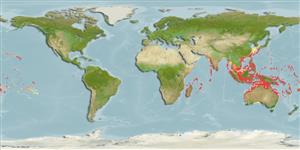
Indo-Pacific: East Africa to the Marquesas and Line islands, north to southern Japan, south to Australia (Ref. 9821). Records from the Red Sea and Persian Gulf are outside distributional range (Ref. 114545).
ຄວາມຍາວໃນການເຕີບໂຕເຕັມຄັ້ງທໍາອິດ / ຂະໜາດ / ນ້ຳໜັກ / ອາຍຸ
ການຈະເລີນເຕັມໄວ: Lm 20.6 range ? - ? cm
Max length : 40.0 cm TL ຕົວຜູ້/ບໍ່ມີເພດ; (Ref. 55); common length : 25.0 cm TL ຕົວຜູ້/ບໍ່ມີເພດ; (Ref. 30573); ນ້ຳໜັກສູງສຸດທີ່ເຄຍຈັດພີມມາ: 820.00 g (Ref. 132370); ອາຍຸສູງສຸດທີ່ເຄຍລາຍງານມາ: 34 ປີ (Ref. 107771)
ຄີ (ໜາມ)ແຂງຢູ່ຫຼັງປາ (ທັງໝົດ) : 10; ຄີຫຼັງຂອງປາ (ຄີອ່ອນ) (ທັງໝົດ) : 14; ຄີ(ໜາມ) ແຂງຢູ່ຄີກົ້ນປາ
ກຸ່ມປາກະດູກແຂງ
ຄວາມຖີ່ຂອງກຸ່ມຖ່າຍທອດພັນ
ປາທີ່ມີການເຄື່ອນຍ້າຍຈາກທະເລໄປຫານ້ຳຈືດ ແລະນ້ຳຈືດຫາທະເລ
ປາທີ່ມີການເຄື່ອນຍ້າຍຈາກທະເລແລະໄປໄຂ່ຢູ່ນ້ຳຈືດ
ຄີກົ້ນຂອງປາ
ສັດທີ່ມີກະດູກສັນຫັຼງ
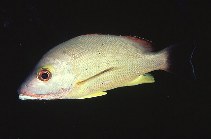
ການຖ່າຍທອດທາງກຳມະພັນຈາກພໍ່ແມ່ຫາລູກ: 3; ຄີກົ້ນຂອງປາ: 8. This species is distinguished by the following characters: body with greatest depth 2.3-2.8 in SL; preopercular notch and knob well developed; vomerine tooth patch crescentic, without a medial posterior extension; tongue smooth, without teeth; gill rakers of first gill arch 6-7 + 10-14 = 16-20 (including rudiments); caudal fin slightly emarginate; scale rows on back rising obliquely above lateral line. Colour of back and sides tan, grey to brownish, sides usually with a series of narrow yellow of golden-brown stripes, 1 per scale rows, caudal fin blackish, dorsal and caudal fins with a narrow white border; pectoral, pelvic and anal fins yellowish, and a broad yellow rim around posterior eye (Ref. 9821, 90102).
Body shape (shape guide): fusiform / normal; Cross section: oval.
Adults inhabit lagoon and semi-protected seaward reefs (Ref. 9710). They prefer sheltered areas with deep holes or large boulders (Ref. 37816). Benthopelagic (Ref. 58302). Solitary or in loose aggregations (Ref. 90102). Juveniles sometimes found in shallow mangrove swamps and the lower parts of freshwater streams. Adults feed at night on fishes, shrimps, crabs, holothurians and cephalopods (Ref. 30573). Commonly seen in markets, usually fresh. Caught with handlines, traps, and gill nets. This fish sometimes causes ciguatera poisoning, particularly in the Pacific portion of its range (Ref. 9821). Maximum depth reported taken from Ref. 9773.
Allen, G.R., 1985. FAO Species Catalogue. Vol. 6. Snappers of the world. An annotated and illustrated catalogue of lutjanid species known to date. FAO Fish. Synop. 125(6):208 p. Rome: FAO. (Ref. 55)
ສະຖານະພາບບັນຊີແດງຂອງ IUCN (Ref. 130435: Version 2025-2 (Global))
ໄພຂົ່ມຂູ່ຕໍ່ມະນຸດ
Reports of ciguatera poisoning (Ref. 4690)
ການນໍາໃຊ້ຂອງມະນຸດ
ການປະມົງ: ເປັນສີນຄ້າ; ຊະນິດປາທີ່ຖືກນຳໃຊ້ເຂົ້າໃນການຫາເພື່ອເປັນເກມກິລາ: ແມ່ນ; ຕູ້ປາ: ເປັນສີນຄ້າ
ເຄື່ອງມື
ບົດລາຍງານພິເສດ
ດາວໂຫລດ XML
ແຫຼ່ງອີນເຕີເນັດ
ການຄາດຄະເນໂດຍອີງໃສ່ແບບຈໍາລອງ
ອຸນຫະພູມທີ່ຕ້ອງການ (ເອກະສານອ້າງອີງ
123201): 24.6 - 29, mean 28 °C (based on 1452 cells).
ດັດຊະນີຄວາມຫຼາກຫຼາຍທາງຊີວະພາບ (ເອກະສານອ້າງອີງ
82804): PD
50 = 0.5000 [Uniqueness, from 0.5 = low to 2.0 = high].
Bayesian length-weight: a=0.01549 (0.01369 - 0.01753), b=2.97 (2.95 - 2.99), in cm total length, based on LWR estimates for this species (Ref.
93245).
ຊັ້ນເຂດຮ້ອນ (ເອກະສານອ້າງອີງ
69278): 3.6 ±0.5 se; based on diet studies.
ຄວາມຢືດຢຸ່ນ (ເອກະສານອ້າງອີງ
120179): ຕຳ່ຫຼາຍ, ປະຊາກອນຕຳ່ສຸດທີ່ໃຊ້ເວລາສອງເທົ່າຫຼາຍກວ່າ 14 ປີ (K=0.04-0.4; tmax=34; tm=3-4; Fec >10,000).
ຄວາມສ່ຽງຕໍ່ການຫາປາ (Ref.
59153): Low to moderate vulnerability (29 of 100).
🛈
ທາດອາຫານ (Ref.
124155): Calcium = 40.1 [27.1, 56.7] mg/100g; Iron = 0.352 [0.232, 0.560] mg/100g; Protein = 18.6 [17.2, 19.9] %; Omega3 = 0.147 [0.108, 0.203] g/100g; Selenium = 59.4 [38.6, 95.1] μg/100g; VitaminA = 127 [24, 445] μg/100g; Zinc = 0.576 [0.459, 0.786] mg/100g (wet weight); based on
nutrient studies.