ຊັ້ນຂອງກຸ່ມປາທີ່ມີຄີຫູໃຫຍ່ຄ້າຍປີກໃນທະເລ (ratfish) (chimaeras) >
Chimaeriformes (Chimaeras) >
Callorhinchidae (Plownose chimaeras)
Etymology: Callorhinchus: Tautonymous with Chimaera callorynchus Linnaeus 1758 (but unnecessarily emended from -rynchus to -rhinchus: callum (L.), hard skin; rhynchus (L.), snout, referring to peculiar hoe-shaped proboscis (See ETYFish); milii: In honor of Bory de Saint-Vincent’s “old friend” (translation) Pierre Bernard Milius (1773‒1829), a French naval officer, naturalist and civil servant, who supplied specimen upon which description and its accompanying illustration (shown here) were based; (See ETYFish).
Eponymy: Baron Pierre Bernard Milius (1773–1829) was a French naval officer, naturalist and civil servant who took part in an exploratory voyage (1804) of the Mascarene Islands, Indian Ocean, under Nicolas Baudin, during which he became friends with Bory. [...] (Ref. 128868), visit book page.
ສະພາບແວດລ້ອມ: ສະພາບແວດລ້ອມ / ເຂດດິນຟ້າອາກາດ / ລະດັບຄວາມເລິກ / ຂອບເຂດການແຈກຢາຍ
ນິເວດວິທະຍາ
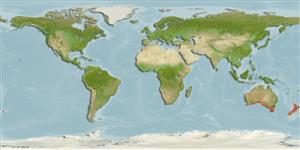
ສັດທະເລ; ນ້ຳກ່ອຍ ອາໄສຢູ່ໃກ້ໜ້າດິນໃຕ້ພື້ນທ້ອງນ້ຳ; ປາທີ່ມີການເຄື່ອນຍ້າຍໃນສະເພາະມາະຫາສະມຸດ (Ref. 51243); ລະດັບຄວາມເລິກ 0 - 227 m (Ref. 26346). Subtropical; 33°S - 50°S
Southwest Pacific: southern Australia and New Zealand.
ຄວາມຍາວໃນການເຕີບໂຕເຕັມຄັ້ງທໍາອິດ / ຂະໜາດ / ນ້ຳໜັກ / ອາຍຸ
ການຈະເລີນເຕັມໄວ: Lm 71.0, range 70 - ? cm
Max length : 125 cm TL ຕົວຜູ້/ບໍ່ມີເພດ; (Ref. 26346); common length : 75.0 cm TL ຕົວຜູ້/ບໍ່ມີເພດ; (Ref. 9258)
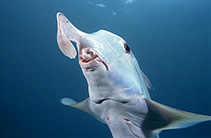
Occurs on continental shelves to depths of at least 200 m (Ref. 6871). Migrates into large estuaries and inshore bays in the spring to breed (Ref. 6871). Feeds mainly on shellfish (Ref. 26346). Oviparous (Ref. 50449). Eggs are encased in horny shells (Ref. 205). Flesh is of good eating quality. Males have a small, club-like protuberance on the head and also long copulation organs near the pelvic fins (Ref. 557).
Migrates into large estuaries and inshore bays in the spring to breed (Ref. 6871). Oviparous, two egg cases (Ref. 26346) are laid on sandy or muddy bottoms and take up to 8 months to hatch (Ref. 6871). Embryos feed solely on yolk (Ref. 50449).Young hatch at about 15 cm (Ref. 26346).
Last, P.R. and J.D. Stevens, 1994. Sharks and rays of Australia. CSIRO, Australia. 513 p. (Ref. 6871)
ສະຖານະພາບບັນຊີແດງຂອງ IUCN (Ref. 130435: Version 2025-2 (Global))
ໄພຂົ່ມຂູ່ຕໍ່ມະນຸດ
Harmless
ການນໍາໃຊ້ຂອງມະນຸດ
ການປະມົງ: ເປັນສີນຄ້າ
ເຄື່ອງມື
ບົດລາຍງານພິເສດ
ດາວໂຫລດ XML
ແຫຼ່ງອີນເຕີເນັດ
ການຄາດຄະເນໂດຍອີງໃສ່ແບບຈໍາລອງ
ອຸນຫະພູມທີ່ຕ້ອງການ (ເອກະສານອ້າງອີງ
123201): 12.1 - 18.2, mean 15.2 °C (based on 179 cells).
ດັດຊະນີຄວາມຫຼາກຫຼາຍທາງຊີວະພາບ (ເອກະສານອ້າງອີງ
82804): PD
50 = 0.7500 [Uniqueness, from 0.5 = low to 2.0 = high].
Bayesian length-weight: a=0.00479 (0.00194 - 0.01180), b=3.13 (2.91 - 3.35), in cm total length, based on LWR estimates for this species & (Sub)family-body (Ref.
93245).
ຊັ້ນເຂດຮ້ອນ (ເອກະສານອ້າງອີງ
69278): 3.6 ±0.29 se; based on food items.
ຄວາມຢືດຢຸ່ນ (ເອກະສານອ້າງອີງ
120179): ຕຳ່, ປະຊາກອນຕຳ່ສຸດທີ່ໃຊ້ເວລາສອງເທົ່າ 4.5 - 14 ປີ (K=0.06-0.47; tm=2-6; Fec=2).
ຄວາມສ່ຽງຕໍ່ການຫາປາ (Ref.
59153): High vulnerability (55 of 100).
🛈
ຄວາມສ່ຽງດ້ານສະພາບອາກາດ (Ref.
125649): Very high vulnerability (83 of 100).
🛈
ທາດອາຫານ (Ref.
124155): Calcium = 25.5 [6.4, 69.6] mg/100g; Iron = 0.758 [0.284, 2.957] mg/100g; Protein = 14.3 [11.2, 18.8] %; Omega3 = 0.258 [0.116, 0.579] g/100g; Selenium = 32 [9, 84] μg/100g; VitaminA = 7.14 [3.03, 17.16] μg/100g; Zinc = 0.661 [0.338, 1.252] mg/100g (wet weight);