Neopomacentrus violascens, Violet demoiselle

You can sponsor this page

Neopomacentrus violascens (Bleeker, 1848)

Violet demoiselle
သင့္၏ေတြ႕ရွိခ်က္အသစ္မ်ားကို ထပ္မံျဖည့္စြက္ပါ Fish Watcher
Native range
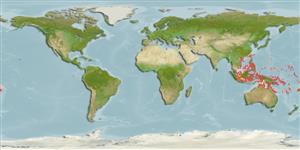
This map was computer-generated and has not yet been reviewed.
Neopomacentrus violascens   AquaMaps   Data sources: GBIF OBIS
သင္ကိုယ္တိုင္တင္သြင္းသည္။ ဓါတ္ပံုမ်ား နွင့္ ရုပ္သံပါရွိေသာဖိုင္မ်ား
ဓါတ္ပံုမ်ား | ရုပ္သံပါရွိေသာဖိုင္မ်ား | Google ၏ပံုရိပ္
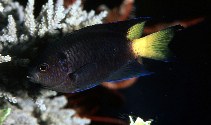
Image of Neopomacentrus violascens (Violet demoiselle)
Neopomacentrus violascens
ဓါတ္ပံုအားျဖင့္ Randall, J.E.

အမ်ဳိးအစားခြဲျခားျခင္း / အမည်များ အမ်ားေခၚအမည္ | အဓိပၸာယ္တူညီမႈရွိျပီး စကားလံုးအသံုးအနႈန္းကြားျခားျခင္းမ်ား | Catalog of Fishes(မ်ိဳးစဥ္, မ်ိဳးစိတ္မ်ား) | ITIS | CoL | WoRMS | Cloffa

> Ovalentaria/misc (Various families in series Ovalentaria) > Pomacentridae (Damselfishes) > Pomacentrinae
Etymology: Neopomacentrus: Greek, neos = new + Greek,poma = cover, operculum + Greek,kentron = sting (Ref. 45335).
More on author: Bleeker.

ပတ်ဝန်းကျင် : ပတ်ဝန်းကျင် / ရာသီဥတုဇုန် / အနက္အတိုင္းအတာ / ဖြန့်ဖြူးမှုအပိုင်း ေဂဟေဗဒကိုေလ့လာေသာ ဘာသာရပ္

ေရငန္တည္ရွိရာအရပ္ သႏၲာေက်ာက္တန္းနွင့္ဆက္စပ္ေသာ; ေျပာင္းေရႊ႕သြားလာျခင္းမရွိေသာ; အနက္အတိုင္းအတာ 1 - 30 m (Ref. 1602). Tropical; 25°N - 21°S

ပ်ံႏွံ႔ျခင္း နယ်မြေများ | ကမၻာ့စားနပ္ရိကၡာနွင့္ စိုက္ပ်ိဳးေရးအဖြဲ႔ အစည္း၏ သတ္မွတ္ထားေသာေနရာ မ်ား | ေဂဟစနစ္မ်ား | ေတြ႔ရွိမႈ | အမွတ္အသားမ်ားျဖင့္ ေဖာ္ျပထားေသာေျမပံု | အျခားေနရာေဒသသို႔ တင္သြင္းမႈျပဳလုပ္ျခင္း | Faunafri

Western Central Pacific: Indonesia to Solomon Islands, north to Japan, south to northern Australia and Vanuatu.

အရြယ္အစား / အေလးခ်ိန္ / အသက္အရြယ္

မိ်ဳးပြားရန္အရြယ္ေရာက္ျပီ: Lm ?  range ? - ? cm
Max length : 7.5 cm TL အထီး/လိြင္ခြဲျခားျခင္းမျပဳနုိင္ေသာ; (Ref. 48636)

အတိုခ်ဳပ္ေဖာ္ျပခ်က္ ငါးမ်ိဳးခြဲျခားရာတြင္ အဓိကက်ေသာအခ်က္မ်ား | ျပင္ပရုပ္သြင္ကိုေလ့လာေသာဘာသာ/ ျပင္ပရုုပ္သြင္ေဗဒ | ျပင္ပရုပ္သြင္လကၡဏမ်ား

ေက်ာဆူးေတာင္ (စုစုေပါင္း) : 13; ေက်ာဘက္တြင္ရွိေသာ ေရယက္၌ပါေသာ အမွ်င္မ်ား (စုစုေပါင္း) : 11 - 12; စအိုတြင္ရွိေသာဆူးေတာင္မ်ား: 2; စအိုနားတြင္ရွိျပီး နူးညံ့ေသာေရယက္အမွ်င္မ်ား: 10 - 11.
Body shape (shape guide): fusiform / normal; Cross section: oval.

ဇီဝေဗဒဆိုင္ရာ ပညာရပ္     ရွင္းလင္းခ်က္မ်ားအားလံုး (နမူနာ epibenthic)

Adults are found in lagoons, harbors, and coastal reefs, shallow habitats, deep sand or mud slopes with outcrops of debris or coral rubble pieces, or on rocky substrates in sheltered bays. They usually occur in large aggregations, sometimes forming mixed aggregations with Neopomacentrus sp. Abundant around sponge-encrusted mooring buoys and their anchor lines and occur in smaller colonies around rocks and refuse (Ref. 1602). Oviparous, distinct pairing during breeding (Ref. 205). Eggs are demersal and adhere to the substrate (Ref. 205). Males guard and aerate the eggs (Ref. 205). Diurnal species (Ref. 113699).

ဘဝသံသရာနှင့် မိတ်လိုက်သည့် အပြုအမူ မိ်ဳးပြားရန္အရြယ္ေရာက္ျပီ | မ်ိဳးပြားသားေပါက္ျခင္း | သားေပါက္ျခင္း | ဥမ်ား | ဥခ်နွဳန္း | သားေလာင္း

Oviparous, distinct pairing during breeding (Ref. 205). Eggs are demersal and adhere to the substrate (Ref. 205). Males guard and aerate the eggs (Ref. 205).

အဓိကက်မ္းကိုးစာအုပ္ သင်၏ကိုးကားချက်များကို တင်ပါ။ | က်မ္းကိုးစာရင္း | တန္းတူျဖစ္ရန္ေမးျမန္းေဆာင္ရြက္သူ : Allen, Gerald R. | သတင္းအခ်က္အလက္ ေကာက္ယူသူ

Allen, G.R., 1991. Damselfishes of the world. Mergus Publishers, Melle, Germany. 271 p. (Ref. 7247)

စိုးရိမ္ဖြယ္အေျခအေနသို႔ေရာက္ရွိေန ေသာမ်ိဳးသုဥ္းရွားပါးေတာ့မည့္မ်ိဳးစိတ္မ်ား၏အဆင့္အတန္း (Ref. 130435: Version 2025-2 (Global))


CITES

Not Evaluated

CMS (Ref. 116361)

Not Evaluated

လူသားမ်ားကို ထိတ္လန္႔ေျခာက္ျခားေစသည္။

  Harmless


လူသားမ်ား၏အသံုးခ်မႈ

FAO - Publication: search | FishSource |

ပိုမိုေသာသတင္းအခ်က္အလက္မ်ားကိုရယူနုိင္ရန္္

အစာရရွိမႈကြင္းဆက္နွင့္ အစာစားေသာအေလ့အက်င့္နွင့္ ပတ္၀န္းက်င္ဆက္စပ္မႈ
အစားအစာ (သားကောင်)
ေန႕စဥ္စားေသာက္သည့္ အစားအစာတြင္ ပါ၀င္ဖြဲ႕စည္းထားသည့္ အဟာရဓါတ္မ်ား
အစာစားသံုးမႈ
ရိက္ခာရိက္ခာ
အစာရွာေဖြေနေသာသတၲ၀ါမ်ား
ေဂဟေဗဒကိုေလ့လာေသာ ဘာသာရပ္
လူဦးရေ ဒိုင်းနမစ်
ၾကီးထြားမႈကို ေဖာ္ျပထားေသာ အတိုင္းအတာမ်ား
မက်တယ်။ အသက်/အရွယ်
အရှည်-အလေးချိန် rel
အလျား-အလျား rel။
ကိုယ္အလ်ားမ်ား၏အတိုင္းအထြာ ၾကိမ္ႏႈန္းမ်ား
အစုလိုက်အပြုံလိုက်ပြောင်းလဲခြင်း။
ျပန္လည္ျဖည့္စြက္ျခင္းျဖင့္ နဂိုအတိုင္းတည္ရွိေနမႈ
ေပါၾကြယ္၀မွဳ
ဘဝဖြစ်စဥ်
မ်ိဳးပြားသားေပါက္ျခင္း
မိ်ဳးပြားရန္အရြယ္ေရာက္ျပီ
ရင့်ကျက်မှု/Gills rel
ဥခ်နွဳန္း
သားေပါက္ျခင္း
အစုအဝေးများပေါက်ဖွားခြင်း။
ဥမ်ား
ဥဖြံ႔ျဖိဳးမွဳ
သားေလာင္း
သားေလာင္းမ်ားတည္ရွိမႈ၊ေရႊ႕ရွား ေျပာင္းလဲမႈ၊ၾကီးထြားမႈ၊ ေသဆံုးမႈမ်ား
ခန္ဓာဗေဒ
ပါးဟပ္ဧရိယာ
ဦးနှောက်
Otolith
ဇီဝကမ္မဗေဒ
ခန္ဓာကိုယ်ဖွဲ့စည်းမှု
အာဟာရများ
ေလအသံုးျပဳမႈ ၊ ေလသံုးစြဲမႈပမာဏ
ရေကူးအမျိုးအစား
ကူးခတ္သြားလာေသာအရိွန္နႈန္း
အမြင်အာရုံဆိုးဆေး
ငါးသံ
ရောဂါများနှင့် ကပ်ပါးကောင်များ
အဆိပ်သင့်မှု (LC50s)
မ်ိဳးရိုးဗီဇ
မ်ိဳးရိုးဗီဇမ်ားစတင္ျဖစ္ေပၚရာေနရာ
မ်ိဳးရိုးဗီဇ
မျိုးရိုးလိုက်ခြင်း
ဆင္းသက္လာေသာ မိ်ဳးရိုးစဥ္ဆက္ကို ေလ့လာထားခ်က္
မျိုးရိုးဗီဇကွဲပြားမှု
လူသားနဲ့ဆိုင်တယ်။
ငါးမွေးမြူရေးစနစ်များ
ေမြးျမဴေရးနွင့္ပတ္သက္ေသာ မွတ္တမ္း/မွတ္စု
ဗီဇမ်ိဳးရိုးစဥ္ဆက္မ်ား
Ciguatera ကိစ္စများ
တံဆိပ်ခေါင်းများ၊ အကြွေစေ့များ၊
က်မ္းကိုးစာရင္း
က်မ္းကိုးစာရင္း

အသံုးျပဳေသာကိရိယာ

ထူးျခားစြာေရးသားထားေသာ တင္ျပစာ

XML ကူးယူရရွိနိုင္ပါသည္

အင္တာနက္အရင္းအျမစ္

မော်ဒယ်များကို အခြေခံ၍ ခန့်မှန်းချက်

နှစ်သက်ရာ အပူချိန် (က်မ္းကိုးစာရင္း 123201): 26.1 - 29.3, mean 28.7 °C (based on 1965 cells).
Phylogenetic diversity အညွှန်းကိန်း (က်မ္းကိုးစာရင္း 82804):  PD50 = 0.5000   [Uniqueness, from 0.5 = low to 2.0 = high].
Bayesian length-weight: a=0.01479 (0.00681 - 0.03215), b=3.00 (2.81 - 3.19), in cm total length, based on LWR estimates for this species & (Sub)family-body (Ref. 93245).
အစာရရွိမႈကြင္းဆက္နွင့္ အစာစားေသာအေလ့အက်င့္ (က်မ္းကိုးစာရင္း 69278):  3.4   ±0.45 se; based on food items.
ထိခိုက္ဒဏ္ရာရရွျပီးမွျပန္လည္ေကာင္းမြန္လာေသာ/မ်ိဳးသုဥ္းေပ်ာက္ကြယ္လုနီးပါးျဖစ္ေနျပီမွ ျပန္လည္ေတြ႕ရွိရေသာ (က်မ္းကိုးစာရင္း 120179):  အရပ္၊ အရွည္, (၁၅) လထက္ ေလ်ာ့နည္းေသာအခ်ိန္နွစ္ဆအတြင္း အနည္းဆံုးဦးေရ (Preliminary K or Fecundity.).
ငါးဖမ်းခြင်း အားနည်းချက် (Ref. 59153):  Low vulnerability (10 of 100). 🛈
အာဟာရများ (Ref. 124155):  Calcium = 142 [84, 273] mg/100g; Iron = 1.02 [0.63, 1.66] mg/100g; Protein = 18.6 [17.6, 19.6] %; Omega3 = 0.169 [0.098, 0.289] g/100g; Selenium = 21.1 [11.4, 41.2] μg/100g; VitaminA = 245 [87, 671] μg/100g; Zinc = 1.94 [1.32, 2.75] mg/100g (wet weight);