ກຸ່ມປາກະດູກອ່ອນ (ເຊັ່ນ: ປາສະຫລາມ, ປາຜາໄລ) (sharks and rays) >
Carcharhiniformes (Ground sharks) >
Proscylliidae (Finback catsharks)
Etymology: Eridacnis: Etymology not explained, possibly eri-, Greek intensive particle (i.e., very), and dakno (Gr.), bite, referring to “wide, angular” mouth of E. radcliffei (See ETYFish); radcliffei: In honor of ichthyologist-malacologist Lewis Radcliffe (1880-1950), scientific assistant of the U.S. Bureau ofFisheries and member of team that collected holytype from aboard the fisheries steamer Albatross (See ETYFish).
Eponymy: Lewis Radcliffe (1880–1950) was an American naturalist, particularly interested in malacology and ichthyology. [...] (Ref. 128868), visit book page.
More on author: Smith.
ສະພາບແວດລ້ອມ: ສະພາບແວດລ້ອມ / ເຂດດິນຟ້າອາກາດ / ລະດັບຄວາມເລິກ / ຂອບເຂດການແຈກຢາຍ
ນິເວດວິທະຍາ
ສັດທະເລ ກ່ຽວກັບ(ຢູ່)ຊັ້ນນ້ຳໃນທະເລທີ່ເໜີອພື້ນດິນ; ລະດັບຄວາມເລິກ 71 - 766 m (Ref. 10004). Deep-water; 22°N - 10°S
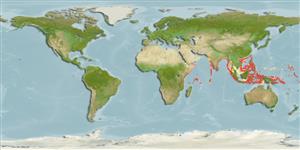
Indo-West Pacific: widely distributed but with spotty records from Tanzania, the Gulf of Aden, India (Gulf of Mannar, Bay of Bengal), Andaman Islands, Viet Nam, and the Philippines. The immense range of this species is striking compared to the limited ranges of other members of the genus.
ຄວາມຍາວໃນການເຕີບໂຕເຕັມຄັ້ງທໍາອິດ / ຂະໜາດ / ນ້ຳໜັກ / ອາຍຸ
ການຈະເລີນເຕັມໄວ: Lm 15.5, range 15 - 16 cm
Max length : 23.0 cm TL ຕົວຜູ້/ບໍ່ມີເພດ; (Ref. 244); 24.0 cm TL (female)
ຄີ (ໜາມ)ແຂງຢູ່ຫຼັງປາ (ທັງໝົດ) : 0; ຄີ(ໜາມ) ແຂງຢູ່ຄີກົ້ນປາ
ກຸ່ມປາກະດູກແຂງ
ຄວາມຖີ່ຂອງກຸ່ມຖ່າຍທອດພັນ
ປາທີ່ມີການເຄື່ອນຍ້າຍຈາກທະເລໄປຫານ້ຳຈືດ ແລະນ້ຳຈືດຫາທະເລ
ປາທີ່ມີການເຄື່ອນຍ້າຍຈາກທະເລແລະໄປໄຂ່ຢູ່ນ້ຳຈືດ
ຄີກົ້ນຂອງປາ
ສັດທີ່ມີກະດູກສັນຫັຼງ
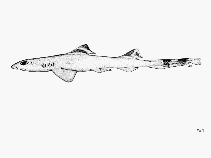
ການຖ່າຍທອດທາງກຳມະພັນຈາກພໍ່ແມ່ຫາລູກ: 0. Caudal fin without a rippled dorsal margin and ventral lobe but with a strong subterminal notch; vertebral axis of caudal fin little raised above body axis (Ref. 13566). Dark brown with blackish markings on dorsal fins (Ref. 13566).
Body shape (shape guide): elongated.
Occurs over muddy bottoms, on the upper continental and insular slopes and outer shelves (Ref. 244). Feeds mainly on small bony fishes and crustaceans, with squid a lesser item in the diet (Ref. 244). One of the two smallest living sharks (Ref. 13566). Ovoviviparous (Ref. 50449), with 1 to 2 pups in a litter (Ref. 244).
Ovoviviparous, embryos feed solely on yolk (Ref. 50449). 1-2 pups per litter, size at birth about 11 cm (Ref. 244).
Compagno, L.J.V., 1984. FAO Species Catalogue. Vol. 4. Sharks of the world. An annotated and illustrated catalogue of shark species known to date. Part 2 - Carcharhiniformes. FAO Fish. Synop. 125(4/2):251-655. Rome: FAO. (Ref. 244)
ສະຖານະພາບບັນຊີແດງຂອງ IUCN (Ref. 130435: Version 2025-2 (Global))
ການນໍາໃຊ້ຂອງມະນຸດ
ເຄື່ອງມື
ບົດລາຍງານພິເສດ
ດາວໂຫລດ XML
ແຫຼ່ງອີນເຕີເນັດ
ການຄາດຄະເນໂດຍອີງໃສ່ແບບຈໍາລອງ
ອຸນຫະພູມທີ່ຕ້ອງການ (ເອກະສານອ້າງອີງ
123201): 9.3 - 18.6, mean 12.7 °C (based on 254 cells).
ດັດຊະນີຄວາມຫຼາກຫຼາຍທາງຊີວະພາບ (ເອກະສານອ້າງອີງ
82804): PD
50 = 0.6328 [Uniqueness, from 0.5 = low to 2.0 = high].
Bayesian length-weight: a=0.00288 (0.00112 - 0.00741), b=3.14 (2.91 - 3.37), in cm total length, based on LWR estimates for this (Sub)family-body shape (Ref.
93245).
ຊັ້ນເຂດຮ້ອນ (ເອກະສານອ້າງອີງ
69278): 4.1 ±0.3 se; based on diet studies.
ຄວາມຢືດຢຸ່ນ (ເອກະສານອ້າງອີງ
120179): ຕຳ່ຫຼາຍ, ປະຊາກອນຕຳ່ສຸດທີ່ໃຊ້ເວລາສອງເທົ່າຫຼາຍກວ່າ 14 ປີ (Fec=1).
ຄວາມສ່ຽງຕໍ່ການຫາປາ (Ref.
59153): Low vulnerability (14 of 100).
🛈
ທາດອາຫານ (Ref.
124155): Calcium = 14.4 [2.4, 98.2] mg/100g; Iron = 0.371 [0.078, 1.303] mg/100g; Protein = 18.1 [16.0, 20.2] %; Omega3 = 0.235 [0.091, 0.594] g/100g; Selenium = 8.99 [2.70, 29.75] μg/100g; VitaminA = 35.1 [6.9, 180.5] μg/100g; Zinc = 0.462 [0.219, 0.922] mg/100g (wet weight);