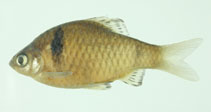
ການຈັດປະເພດ / ຊື່
ຊື່ສາມັນ | ຄຳສັບຄ້າຍຄືກັນ | Catalog of Fishes(ຕະກຸນ, ຊະນິດ) | ITIS | CoL | WoRMS | Cloffa
>
Cypriniformes (Carps) >
Cyprinidae (Minnows or carps) > Smiliogastrinae
Etymology: Pethia: Pethia is the generic vernacular name for small cyprinids in Sinhala; didi: Derived from the name of authors' son didi, meaning earth in Mandarin Chinese, in reference to the habit of the fish which is steady on earth; noun in apposition.
Eponymy: Johan Bernard Didi Kullander (d: 1999) is the authors’ son. [...] (Ref. 128868), visit book page.
More on authors: Kullander & Fang.
ສະພາບແວດລ້ອມ: ສະພາບແວດລ້ອມ / ເຂດດິນຟ້າອາກາດ / ລະດັບຄວາມເລິກ / ຂອບເຂດການແຈກຢາຍ
ນິເວດວິທະຍາ
; ນ້ຳຈືດ ກ່ຽວກັບ (ຢູ່)ເທິງຊັ້ນພື້ນດິນໃນທະເລເປີດ; pH range: 6.5 - ?. Tropical; 23°C - ? (Ref. 54351)
Asia: northern Myanmar.
ຂະໜາດ / ນ້ຳໜັກ / ອາຍຸ
ການຈະເລີນເຕັມໄວ: Lm ? range ? - ? cm
Max length : 4.0 cm SL ຕົວຜູ້/ບໍ່ມີເພດ; (Ref. 54351)
ຄີ (ໜາມ)ແຂງຢູ່ຫຼັງປາ (ທັງໝົດ) : 0; ຄີຫຼັງຂອງປາ (ຄີອ່ອນ) (ທັງໝົດ) : 11 - 12; ຄີ(ໜາມ) ແຂງຢູ່ຄີກົ້ນປາ
ກຸ່ມປາກະດູກແຂງ
ຄວາມຖີ່ຂອງກຸ່ມຖ່າຍທອດພັນ
ປາທີ່ມີການເຄື່ອນຍ້າຍຈາກທະເລໄປຫານ້ຳຈືດ ແລະນ້ຳຈືດຫາທະເລ
ປາທີ່ມີການເຄື່ອນຍ້າຍຈາກທະເລແລະໄປໄຂ່ຢູ່ນ້ຳຈືດ
ຄີກົ້ນຂອງປາ
ສັດທີ່ມີກະດູກສັນຫັຼງ
ການຖ່າຍທອດທາງກຳມະພັນຈາກພໍ່ແມ່ຫາລູກ: 0; ຄີກົ້ນຂອງປາ: 8; ສັດທີ່ມີກະດູກສັນຫຼັງ: 29 - 31. A member of the Puntius conchonius group and is most similar to P. cumingii, P. meingangbii and P. tiantian by having a dark vertical bar anteriorly on side and a dark round blotch on caudal peduncle. Differs from P. cumingii by 12 vs. 10 circumpeduncular scales and 3 1/2 vs. 4 1/2 scales above midline; from P. meingangbii by 40.4-48.2% SL vs. 33.3-39.6% SL body depth of adults; and from geographically close P. tiantian by having last unbranched dorsal fin ray thick and strongly serrated instead of slender, flexible and with short serrations posteriorly, body depth 40.4-48.2% SL vs. 35.4-39.8% SL, dorsal fin length 26.6-31.8% SL vs. 23.2-26.0% SL, lateral line limited to six to seven, rarely up to ten anterior scales, vs. continued to caudal fin base, and males with two series of black marks in dorsal fin and one series of black marks in anal fin, vs. a single dark bank in each fin in male P. tiantian. Distinguished form P. phutunio by wider infraorbitals 3+4, extending posteriorly to the margin of the preopercle instead of only halfway to the preopercle, 12 vs. 10 circumpeduncular scales, absence of a dark blotch anteriorly at the base of the dorsal fin, and absence of a dark bank extending obliquely rostrad and ventrad from immediately posterior to the dorsal fin base (Ref. 54351).
Body shape (shape guide): fusiform / normal.
Inhabits stream with fast flowing, clear, brownish water and with bottom consisted of mud mixed with stones (Ref. 54351).
ວົງຈອນຊີວິດ ແລະພຶດຕິກໍາການຫາຄູ່
ການຈະເລີນເຕັມໄວ | ການສືບພັນ | ການວາງໄຂ່ | ໄຂ່ | ຄວາມດົກຂອງໄຂ່ປາ | ຕົວອ່ອນ
Pethiyagoda, R., M. Meegaskumbura and K. Maduwage, 2012. A synopsis of the South Asian fishes referred to Puntius (Pisces: Cyprinidae). Ichthyol. Explor. Freshwat. 23(1):69-95. (Ref. 91036)
ສະຖານະພາບບັນຊີແດງຂອງ IUCN (Ref. 130435: Version 2025-2 (Global))
ໄພຂົ່ມຂູ່ຕໍ່ມະນຸດ
Harmless
ການນໍາໃຊ້ຂອງມະນຸດ
ເຄື່ອງມື
ບົດລາຍງານພິເສດ
ດາວໂຫລດ XML
ແຫຼ່ງອີນເຕີເນັດ
ການຄາດຄະເນໂດຍອີງໃສ່ແບບຈໍາລອງ
ດັດຊະນີຄວາມຫຼາກຫຼາຍທາງຊີວະພາບ (ເອກະສານອ້າງອີງ
82804): PD
50 = 0.5000 [Uniqueness, from 0.5 = low to 2.0 = high].
Bayesian length-weight: a=0.01047 (0.00454 - 0.02413), b=3.00 (2.83 - 3.17), in cm total length, based on LWR estimates for this Genus-body shape (Ref.
93245).
ຊັ້ນເຂດຮ້ອນ (ເອກະສານອ້າງອີງ
69278): 2.7 ±0.2 se; based on size and trophs of closest relatives
ຄວາມຢືດຢຸ່ນ (ເອກະສານອ້າງອີງ
120179): ສູງ, ປະຊາກອນຕຳ່ສຸດທີ່ໃຊ້ເວລາສອງໜ້ອຍກວ່າ 15 ເດືອນ (Preliminary K or Fecundity.).
ຄວາມສ່ຽງຕໍ່ການຫາປາ (Ref.
59153): Low vulnerability (10 of 100).
🛈