ສະພາບແວດລ້ອມ: ສະພາບແວດລ້ອມ / ເຂດດິນຟ້າອາກາດ / ລະດັບຄວາມເລິກ / ຂອບເຂດການແຈກຢາຍ
ນິເວດວິທະຍາ
ສັດທະເລ ກ່ຽວກັນຫີນ; ບໍ່ມີການເຄື່ອນຍ້າຍ; ລະດັບຄວາມເລິກ 10 - 150 m (Ref. 9710), usually 20 - 150 m (Ref. 9710). Tropical; 34°N - 32°S, 31°E - 158°W (Ref. 5222)
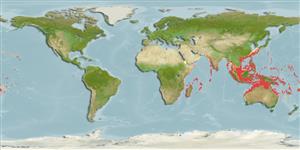
Indo-Pacific: east coast of Africa (Djibouti, Socotra to Durban) to the Line Islands, north to southern Japan, south to southern Queensland (Australia). Not found at the Chagos Archipelago despite intensive survey and not reported from the Red Sea and Persian Gulf.
ຄວາມຍາວໃນການເຕີບໂຕເຕັມຄັ້ງທໍາອິດ / ຂະໜາດ / ນ້ຳໜັກ / ອາຍຸ
ການຈະເລີນເຕັມໄວ: Lm ?, range 28 - ? cm
Max length : 57.0 cm TL ຕົວຜູ້/ບໍ່ມີເພດ; (Ref. 5222); common length : 30.0 cm TL ຕົວຜູ້/ບໍ່ມີເພດ; (Ref. 5450)
ຄີ (ໜາມ)ແຂງຢູ່ຫຼັງປາ (ທັງໝົດ) : 9; ຄີຫຼັງຂອງປາ (ຄີອ່ອນ) (ທັງໝົດ) : 14 - 16; ຄີ(ໜາມ) ແຂງຢູ່ຄີກົ້ນປາ
ກຸ່ມປາກະດູກແຂງ
ຄວາມຖີ່ຂອງກຸ່ມຖ່າຍທອດພັນ
ປາທີ່ມີການເຄື່ອນຍ້າຍຈາກທະເລໄປຫານ້ຳຈືດ ແລະນ້ຳຈືດຫາທະເລ
ປາທີ່ມີການເຄື່ອນຍ້າຍຈາກທະເລແລະໄປໄຂ່ຢູ່ນ້ຳຈືດ
ຄີກົ້ນຂອງປາ
ສັດທີ່ມີກະດູກສັນຫັຼງ
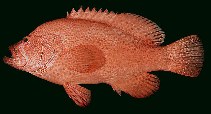
ການຖ່າຍທອດທາງກຳມະພັນຈາກພໍ່ແມ່ຫາລູກ: 3; ຄີກົ້ນຂອງປາ: 9. This species is distinguished by the following characters: body depth greater than or subequal to head length, 2.3-2.7 times in standard length (for specimens 9-41 cm SL); dorsal head profile of adults straight to concave, the nape distinctly convex; pectoral fins subequal to pelvic fins, 1.5-1.7 times in head length for specimens of 15-40 cm length (in specimens larger than 40 cm, the pelvic fins are longer than the pectoral fins); pelvic fins reaching to or beyond anus; ctenoid body scales, cycloid on abdomen. Colour: Adults from Pacific Ocean generally pale reddish to yellowish brown, covered with numerous small brownish red or dark brown spots on head, body, and fins; while the juveniles are dark reddish brown to nearly black, the rear margin of caudal fin and sometimes pectoral fins whitish; or body brownish orange with scattered pale greenish spots, and black spot between upper and middle opercular spines (Ref. 39231, 90102).
Body shape (shape guide): fusiform / normal; Cross section: compressed.
Adults occur in deep lagoon reefs and steep outer reef slopes and in coastal areas with rocky substrates. Juveniles are usually found near sponges or coral heads (Ref. 9710). Adults usually at moderate depths with bommies with large holes, usually occupied by cleaner shrimps (Ref. 48635). They are solitary (Ref. 90102) and are usually caught in depths of 30 to 100 m, but in Madagascar, they occur in depths of 10 to 20 m. They feed on small fishes and crustaceans including shrimps, crabs and stomatopods (Ref. 37816). Females mature at about 28 cm SL and males at about 34 cm SL (Ref. 6448). Are sold in Hong Kong live fish markets (Ref. 27253). They are generally marketed fresh (Ref. 5284) and of commercial importance throughout most of its range. They are primarily caught with hook-and-line, spear, and in traps (Ref. 39231).
Heemstra, P.C. and J.E. Randall, 1993. FAO Species Catalogue. Vol. 16. Groupers of the world (family Serranidae, subfamily Epinephelinae). An annotated and illustrated catalogue of the grouper, rockcod, hind, coral grouper and lyretail species known to date. Rome: FAO. FAO Fish. Synop. 125(16):382 p. (Ref. 5222)
ສະຖານະພາບບັນຊີແດງຂອງ IUCN (Ref. 130435: Version 2025-2 (Global))
ໄພຂົ່ມຂູ່ຕໍ່ມະນຸດ
Harmless
ການນໍາໃຊ້ຂອງມະນຸດ
ການປະມົງ: ເປັນສີນຄ້າ; ຊະນິດປາທີ່ຖືກນຳໃຊ້ເຂົ້າໃນການຫາເພື່ອເປັນເກມກິລາ: ແມ່ນ
ເຄື່ອງມື
ບົດລາຍງານພິເສດ
ດາວໂຫລດ XML
ແຫຼ່ງອີນເຕີເນັດ
ການຄາດຄະເນໂດຍອີງໃສ່ແບບຈໍາລອງ
ອຸນຫະພູມທີ່ຕ້ອງການ (ເອກະສານອ້າງອີງ
123201): 21.2 - 29, mean 27.6 °C (based on 2728 cells).
ດັດຊະນີຄວາມຫຼາກຫຼາຍທາງຊີວະພາບ (ເອກະສານອ້າງອີງ
82804): PD
50 = 0.5000 [Uniqueness, from 0.5 = low to 2.0 = high].
Bayesian length-weight: a=0.01259 (0.01028 - 0.01541), b=3.05 (3.02 - 3.08), in cm total length, based on LWR estimates for this species (Ref.
93245).
ຊັ້ນເຂດຮ້ອນ (ເອກະສານອ້າງອີງ
69278): 3.8 ±0.54 se; based on food items.
ຄວາມຢືດຢຸ່ນ (ເອກະສານອ້າງອີງ
120179): ຂະໜາດກາງ, ປະຊາກອນຕຳ່ສຸດທີ່ໃຊ້ເວລາສອງເທົ່າ 1.4 - 4.4 ປີ (Fec = 42,252).
ຄວາມສ່ຽງຕໍ່ການຫາປາ (Ref.
59153): Moderate vulnerability (43 of 100).
🛈
ທາດອາຫານ (Ref.
124155): Calcium = 36.1 [19.1, 59.7] mg/100g; Iron = 0.452 [0.251, 0.846] mg/100g; Protein = 18.5 [16.7, 20.2] %; Omega3 = 0.164 [0.103, 0.266] g/100g; Selenium = 50.5 [26.0, 86.5] μg/100g; VitaminA = 84.2 [31.1, 255.9] μg/100g; Zinc = 0.812 [0.561, 1.304] mg/100g (wet weight); based on
nutrient studies.