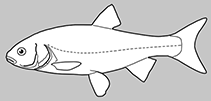
ການຈັດປະເພດ / ຊື່
ຊື່ສາມັນ | ຄຳສັບຄ້າຍຄືກັນ | Catalog of Fishes(ຕະກຸນ, ຊະນິດ) | ITIS | CoL | WoRMS | Cloffa
ສະພາບແວດລ້ອມ: ສະພາບແວດລ້ອມ / ເຂດດິນຟ້າອາກາດ / ລະດັບຄວາມເລິກ / ຂອບເຂດການແຈກຢາຍ
ນິເວດວິທະຍາ
; ນ້ຳຈືດ; ນ້ຳກ່ອຍ ກ່ຽວກັບ (ຢູ່)ເທິງຊັ້ນພື້ນດິນໃນທະເລເປີດ. Temperate; 1°C - 17°C (Ref. 59043)
Eurasia: Northern and northwestern Caspian Sea; enters Volga, Ural, Emba, Terek and Kura drainages for spawning.
ຂະໜາດ / ນ້ຳໜັກ / ອາຍຸ
ການຈະເລີນເຕັມໄວ: Lm ? range ? - ? cm
Max length : 45.0 cm SL ຕົວຜູ້/ບໍ່ມີເພດ; (Ref. 59043); ນ້ຳໜັກສູງສຸດທີ່ເຄຍຈັດພີມມາ: 2.0 kg (Ref. 59043); ອາຍຸສູງສຸດທີ່ເຄຍລາຍງານມາ: 10 ປີ (Ref. 59043)
ຄຳອະທິບາຍສັ້ນໆ
ຕົວທີ່ໃຊ້ໃນການຈຳແນກຊະນິດ | ສະລີລະວິທະຍາ | ການວັດແທກຮູບຮ່າງລັກສະນະພາຍນອກຂອງດິນ,ສັດ,ປາ…
Can be diagnosed from its congeners in Caspian Sea basin by having the following characters: 39-48 (usually 42-44) scales along the lateral line; body laterally compressed, depth 24-37% SL; dorsal fin usually with 9½ branched rays; anal fin usually with 10½ branched rays; mouth subterminal; snout rounded; iris silvery grey; pectoral pelvic and anal fins grey with dark margins (sometimes slightly red in autumn, outside spawning season); breeding males with fine, scattered tubercles on top and side of head (Ref. 59043)
A semi-anadromous species which occurs mostly in shallow brackish coastal waters. During summer at the sea, adults are most abundant at water depth of 2.5-4.0 m and salinity of 2-4 ppt. Enters freshwater of estuaries, lagoons and lower reaches of large rivers to spawn. In rivers, juveniles take plankton (mostly Cladocera) and small benthic animals as food. At the sea, they feed on oligochaetes, chironomid larvae and algae. Adults also prey on crustaceans, worms and chironomids larvae. Spawns on shallow shores of coastal lakes and flooded areas. After spawning adult move back to the sea to join groups of immature juveniles, not traveling for long distances, staying in areas with high abundance of prey. Larvae migrate to the sea (Ref. 59043).
ວົງຈອນຊີວິດ ແລະພຶດຕິກໍາການຫາຄູ່
ການຈະເລີນເຕັມໄວ | ການສືບພັນ | ການວາງໄຂ່ | ໄຂ່ | ຄວາມດົກຂອງໄຂ່ປາ | ຕົວອ່ອນ
Deposits sticky eggs among plants. An annual spawner, but some females spawn only every second year (Ref. 59043)
Kottelat, M. and J. Freyhof, 2007. Handbook of European freshwater fishes. Publications Kottelat, Cornol and Freyhof, Berlin. 646 pp. (Ref. 59043)
ສະຖານະພາບບັນຊີແດງຂອງ IUCN (Ref. 130435: Version 2025-2 (Global))
ໄພຂົ່ມຂູ່ຕໍ່ມະນຸດ
Harmless
ການນໍາໃຊ້ຂອງມະນຸດ
ເຄື່ອງມື
ບົດລາຍງານພິເສດ
ດາວໂຫລດ XML
ແຫຼ່ງອີນເຕີເນັດ
ການຄາດຄະເນໂດຍອີງໃສ່ແບບຈໍາລອງ
ດັດຊະນີຄວາມຫຼາກຫຼາຍທາງຊີວະພາບ (ເອກະສານອ້າງອີງ
82804): PD
50 = 0.5020 [Uniqueness, from 0.5 = low to 2.0 = high].
Bayesian length-weight: a=0.00724 (0.00353 - 0.01485), b=3.14 (2.97 - 3.31), in cm total length, based on LWR estimates for this (Sub)family-body shape (Ref.
93245).
ຊັ້ນເຂດຮ້ອນ (ເອກະສານອ້າງອີງ
69278): 3.4 ±0.40 se; based on food items.
ຄວາມຢືດຢຸ່ນ (ເອກະສານອ້າງອີງ
120179): ຕຳ່, ປະຊາກອນຕຳ່ສຸດທີ່ໃຊ້ເວລາສອງເທົ່າ 4.5 - 14 ປີ (tm=2-5).
ຄວາມສ່ຽງຕໍ່ການຫາປາ (Ref.
59153): Moderate vulnerability (42 of 100).
🛈