ກຸ່ມປາກະດູກອ່ອນ (ເຊັ່ນ: ປາສະຫລາມ, ປາຜາໄລ) (sharks and rays) >
Squaliformes (Sleeper and dogfish sharks) >
Etmopteridae (Lantern sharks)
Etymology: Etmopterus: Greek, ethmos, -ou = sieve or ethmoides bone + Greek, pteron = wing, fin (Ref. 45335); sculptus: The species name derives from the Latin sculpo, in allusion to the carved or sculpted appearance of its linear denticles (Ref. 87957).
ສະພາບແວດລ້ອມ: ສະພາບແວດລ້ອມ / ເຂດດິນຟ້າອາກາດ / ລະດັບຄວາມເລິກ / ຂອບເຂດການແຈກຢາຍ
ນິເວດວິທະຍາ
ສັດທະເລ ກ່ຽວກັບ(ຢູ່)ຊັ້ນນ້ຳໃນທະເລທີ່ເໜີອພື້ນດິນ; ລະດັບຄວາມເລິກ 240 - 1023 m (Ref. 106604). Deep-water
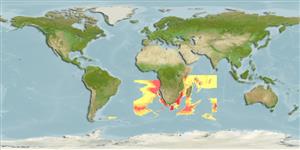
Southeast Atlantic and Southwest Indian Ocean: Namibia to southern Mozambique,
and Madagascar Ridge.
ຄວາມຍາວໃນການເຕີບໂຕເຕັມຄັ້ງທໍາອິດ / ຂະໜາດ / ນ້ຳໜັກ / ອາຍຸ
ການຈະເລີນເຕັມໄວ: Lm ?, range 42 - ? cm
Max length : 59.0 cm TL ຕົວຜູ້/ບໍ່ມີເພດ; (Ref. 106604); 51.5 cm TL (female)
ຄຳອະທິບາຍສັ້ນໆ
ຕົວທີ່ໃຊ້ໃນການຈຳແນກຊະນິດ | ສະລີລະວິທະຍາ | ການວັດແທກຮູບຮ່າງລັກສະນະພາຍນອກຂອງດິນ,ສັດ,ປາ…
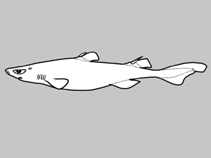
Etmopterus sculptus is a moderately large, stout, species of linear-denticled Etmopterus, which separates it from most other members of this genus, and can be distinguished from its three closest congeners within the E. Lucifer-group, E. brachyurus, E. lucifer, and E. molleri, by the length of its anterior flank markings being slightly longer than its posterior branch. The posterior branch of the flank markings on E. brachyurus and E. molleri are shorter relative to the anterior branch, and in E. lucifer, the anterior branch is nearly twice the length of the posterior branch. The new species can also be distinguished from its closest congeners by the arrangement of dermal denticles that extend over most of the upper and lower body surface. Etmopterus sculptus possesses non-overlapping denticles, giving it a rougher, more sculpted texture than these other aforementioned species. The arrangement of the dermal denticles onthe ventral head surface is also a good character for separating these species, with E. sculptus having uniformly distributed denticles while the ventral surface of E. Lucifer and E. molleri is sparsely covered with denticles. The ventral surface of the head of E. brachyurus typically lacks dermal denticles (Ref. 87957).
Body shape (shape guide): elongated.
This species is fairly common along the upper continental slopes between Namibia and southern Mozambique (Ref. 87957); upper slope, on or near the bottom (Ref. 5578). Observed mostly at depths between 450 and 900 m (Ref. 27644), but with records as shallow as 240 m (in Bass et al., 1976: listed as E. lucifer) (Ref. 87957). Feeds mainly on mid-water bony fish, also squid, octopus, shrimp and brittle stars (Ref. 5578).
ວົງຈອນຊີວິດ ແລະພຶດຕິກໍາການຫາຄູ່
ການຈະເລີນເຕັມໄວ | ການສືບພັນ | ການວາງໄຂ່ | ໄຂ່ | ຄວາມດົກຂອງໄຂ່ປາ | ຕົວອ່ອນ
Bears 2 young (Ref. 5578). Distinct pairing with embrace (Ref. 205).
Ebert, D.A., Compagno, L.J.V. and M.J. De Vries, 2011. A New Lanternshark (Squaliformes: Etmopteridae: Etmopterus) from Southern Africa. Copeia 2011(3):379-384. (Ref. 87957)
ສະຖານະພາບບັນຊີແດງຂອງ IUCN (Ref. 130435: Version 2025-2 (Global))
ໄພຂົ່ມຂູ່ຕໍ່ມະນຸດ
Harmless
ການນໍາໃຊ້ຂອງມະນຸດ
ການປະມົງ: ທີ່ບໍ່ມີຄວາມສົນໃຈ
ເຄື່ອງມື
ບົດລາຍງານພິເສດ
ດາວໂຫລດ XML
ແຫຼ່ງອີນເຕີເນັດ
ການຄາດຄະເນໂດຍອີງໃສ່ແບບຈໍາລອງ
ອຸນຫະພູມທີ່ຕ້ອງການ (ເອກະສານອ້າງອີງ
123201): 1.9 - 8, mean 2.3 °C (based on 14 cells).
ດັດຊະນີຄວາມຫຼາກຫຼາຍທາງຊີວະພາບ (ເອກະສານອ້າງອີງ
82804): PD
50 = 0.5000 [Uniqueness, from 0.5 = low to 2.0 = high].
Bayesian length-weight: a=0.00389 (0.00200 - 0.00755), b=3.08 (2.91 - 3.25), in cm total length, based on LWR estimates for this Genus-body shape (Ref.
93245).
ຊັ້ນເຂດຮ້ອນ (ເອກະສານອ້າງອີງ
69278): 4.3 ±0.6 se; based on size and trophs of closest relatives
ຄວາມຢືດຢຸ່ນ (ເອກະສານອ້າງອີງ
120179): ຕຳ່, ປະຊາກອນຕຳ່ສຸດທີ່ໃຊ້ເວລາສອງເທົ່າ 4.5 - 14 ປີ (Deep-water species with low fecundity (RF)).
ຄວາມສ່ຽງຕໍ່ການຫາປາ (Ref.
59153): Moderate vulnerability (44 of 100).
🛈