>
Perciformes/Uranoscopoidei (Sand dwellers) >
Pinguipedidae (Sandperches)
Etymology: Parapercis: Greek, para = the side of + Greek, perke = perch (Ref. 45335); rubromaculata: Name from Latin ruber for red, and maculate for spot, referring to the characteristic red spots on the caudal fin of this species when fresh (Ref. 89549).
ສະພາບແວດລ້ອມ: ສະພາບແວດລ້ອມ / ເຂດດິນຟ້າອາກາດ / ລະດັບຄວາມເລິກ / ຂອບເຂດການແຈກຢາຍ
ນິເວດວິທະຍາ
ສັດທະເລ ກ່ຽວກັບ (ຢູ່)ເທິງຊັ້ນພື້ນດິນໃນທະເລເປີດ; ລະດັບຄວາມເລິກ 50 - 107 m (Ref. 117414). Tropical
Indo-West Pacific: Western Australia and Taiwan.
ຂະໜາດ / ນ້ຳໜັກ / ອາຍຸ
ການຈະເລີນເຕັມໄວ: Lm ? range ? - ? cm
Max length : 11.4 cm SL ຕົວຜູ້/ບໍ່ມີເພດ; (Ref. 89549)
ຄຳອະທິບາຍສັ້ນໆ
ຕົວທີ່ໃຊ້ໃນການຈຳແນກຊະນິດ | ສະລີລະວິທະຍາ | ການວັດແທກຮູບຮ່າງລັກສະນະພາຍນອກຂອງດິນ,ສັດ,ປາ…
ຄີ (ໜາມ)ແຂງຢູ່ຫຼັງປາ (ທັງໝົດ) : 5; ຄີຫຼັງຂອງປາ (ຄີອ່ອນ) (ທັງໝົດ) : 20 - 21; ຄີ(ໜາມ) ແຂງຢູ່ຄີກົ້ນປາ
ກຸ່ມປາກະດູກແຂງ
ຄວາມຖີ່ຂອງກຸ່ມຖ່າຍທອດພັນ
ປາທີ່ມີການເຄື່ອນຍ້າຍຈາກທະເລໄປຫານ້ຳຈືດ ແລະນ້ຳຈືດຫາທະເລ
ປາທີ່ມີການເຄື່ອນຍ້າຍຈາກທະເລແລະໄປໄຂ່ຢູ່ນ້ຳຈືດ
ຄີກົ້ນຂອງປາ
ສັດທີ່ມີກະດູກສັນຫັຼງ
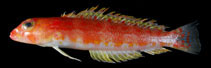
ການຖ່າຍທອດທາງກຳມະພັນຈາກພໍ່ແມ່ຫາລູກ: 1; ຄີກົ້ນຂອງປາ: 17; ສັດທີ່ມີກະດູກສັນຫຼັງ: 30. This species is distinguished by the following characters: D V,20–21 (usually 21) with fourth dorsal-fin spine longest; A I,17; pectoral-fin rays 16-18 (usually 17); lateral-line scales 51-53 (modally 52); gill rakers 4-6 + 8-11 = 12-16 (modally 14); predorsal cycloid scales 8-9, almost reaching vertical from hind margin of preopercle; cycloid scales on cheek, extending forward just beyond tip of maxilla, to vertical from anterior margin of pupil to middle of eye; canine teeth 6 in outer row at front of lower jaw; vomer with single row of 6-10 robust conical teeth; palatines no teeth; angle of subopercle is smooth, or with several minute serrae; vertebrae, abdominal 10, caudal 20; pelvic fin tip reaching from just posterior to vent to base of second anal-fin ray. Colouration: 5 broad poorly-defined reddish wedge-shaped saddles across sides; longitudinal series of large irregular yellowish blotches on lower sides from pec toral-fin base through base of saddles to caudal peduncle; soft dorsal fin with row of red spots along proximal quarter of fin, 6-7 of spots with black centres still visible in preservative; caudal fin with large irregular red blotches on its base, followed by smaller red blotches and scattered smaller red spots around centre and rear of fin (Ref. 117414).
Body shape (shape guide): elongated; Cross section: oval.
ວົງຈອນຊີວິດ ແລະພຶດຕິກໍາການຫາຄູ່
ການຈະເລີນເຕັມໄວ | ການສືບພັນ | ການວາງໄຂ່ | ໄຂ່ | ຄວາມດົກຂອງໄຂ່ປາ | ຕົວອ່ອນ
Ho, H.-C., C.-H. Chang and K.-T. Shao, 2012. Two new sandperches (Perciformes: Pinguipedidae: Parapercis) from South China Sea, based on morphology and DNA barcoding. The Raffles Bulletin of Zoology 60(1):163-172. (Ref. 89549)
ສະຖານະພາບບັນຊີແດງຂອງ IUCN (Ref. 130435: Version 2025-2 (Global))
ໄພຂົ່ມຂູ່ຕໍ່ມະນຸດ
Harmless
ການນໍາໃຊ້ຂອງມະນຸດ
ເຄື່ອງມື
ບົດລາຍງານພິເສດ
ດາວໂຫລດ XML
ແຫຼ່ງອີນເຕີເນັດ
ການຄາດຄະເນໂດຍອີງໃສ່ແບບຈໍາລອງ
ດັດຊະນີຄວາມຫຼາກຫຼາຍທາງຊີວະພາບ (ເອກະສານອ້າງອີງ
82804): PD
50 = 0.5000 [Uniqueness, from 0.5 = low to 2.0 = high].
Bayesian length-weight: a=0.00692 (0.00314 - 0.01524), b=3.06 (2.88 - 3.24), in cm total length, based on LWR estimates for this Genus-body shape (Ref.
93245).
ຊັ້ນເຂດຮ້ອນ (ເອກະສານອ້າງອີງ
69278): 3.5 ±0.4 se; based on size and trophs of closest relatives
ຄວາມຢືດຢຸ່ນ (ເອກະສານອ້າງອີງ
120179): ສູງ, ປະຊາກອນຕຳ່ສຸດທີ່ໃຊ້ເວລາສອງໜ້ອຍກວ່າ 15 ເດືອນ (Preliminary K or Fecundity.).
ຄວາມສ່ຽງຕໍ່ການຫາປາ (Ref.
59153): Low vulnerability (10 of 100).
🛈