>
Gobiiformes (Gobies) >
Gobiidae (Gobies) > Gobiinae
Etymology: Trimma: Greek, trimma, -atos = something crushed (Ref. 45335); capostriatum: Not given in this paper.
ສະພາບແວດລ້ອມ: ສະພາບແວດລ້ອມ / ເຂດດິນຟ້າອາກາດ / ລະດັບຄວາມເລິກ / ຂອບເຂດການແຈກຢາຍ
ນິເວດວິທະຍາ
ສັດທະເລ ກ່ຽວກັນຫີນ; ລະດັບຄວາມເລິກ 1 - 22 m (Ref. 100726). Tropical
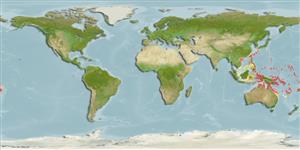
Southwest Pacific: Australia (GBR), New Caledonia, Vanuatu, the Solomons, the Bismark Archipelago, northern and southern New Guinea and Palau (Helen Reef).
ຂະໜາດ / ນ້ຳໜັກ / ອາຍຸ
ການຈະເລີນເຕັມໄວ: Lm ? range ? - ? cm
Max length : 2.9 cm SL ຕົວຜູ້/ບໍ່ມີເພດ; (Ref. 100726)
ຄຳອະທິບາຍສັ້ນໆ
ຕົວທີ່ໃຊ້ໃນການຈຳແນກຊະນິດ | ສະລີລະວິທະຍາ | ການວັດແທກຮູບຮ່າງລັກສະນະພາຍນອກຂອງດິນ,ສັດ,ປາ…
ຄີ (ໜາມ)ແຂງຢູ່ຫຼັງປາ (ທັງໝົດ) : 7; ຄີຫຼັງຂອງປາ (ຄີອ່ອນ) (ທັງໝົດ) : 8 - 10; ຄີ(ໜາມ) ແຂງຢູ່ຄີກົ້ນປາ
ກຸ່ມປາກະດູກແຂງ
ຄວາມຖີ່ຂອງກຸ່ມຖ່າຍທອດພັນ
ປາທີ່ມີການເຄື່ອນຍ້າຍຈາກທະເລໄປຫານ້ຳຈືດ ແລະນ້ຳຈືດຫາທະເລ
ປາທີ່ມີການເຄື່ອນຍ້າຍຈາກທະເລແລະໄປໄຂ່ຢູ່ນ້ຳຈືດ
ຄີກົ້ນຂອງປາ
ສັດທີ່ມີກະດູກສັນຫັຼງ
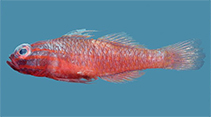
ການຖ່າຍທອດທາງກຳມະພັນຈາກພໍ່ແມ່ຫາລູກ: 1; ຄີກົ້ນຂອງປາ: 8. This species is distinguished by the following characters: presence of a deep trough in the bony interorbital region about half pupil-diameter in width; with a shallow trough behind the eye along the upper half of the posterodorsal margin of the eye; naked predorsal midline, sides of nape is scaled to just behind the eye; no scales on cheek and opercle; the pelvic fins is connected by a basal membrane reaching to the tips of fifth ray, forming an indented plate; central 4-11 pectoral rays are branched; 5-6 light stripes (orange to red in life) on head and with dark blue interspaces, the body light with distinct scattered oval or round spots (yellowish-orange, orange or reddish in life); the snout is mostly darkly pigmented without distinct stripes in preserved material, but with orange stripes in life; the upper lip largely dark, except posteriorly, usually with orange stripes from the eye obscured by dark pigment on the jaws; uniformly dark lower lip; lower surface of the head with a black curved stripe and with a median black bar connecting to the lower lip; branchiostegal membranes are predominantly light, except for the stripe and the inner margin of the membranes (Ref. 100726).
Body shape (shape guide): elongated; Cross section: compressed.
Common on middle and outer reefs (Ref. 100726).
ວົງຈອນຊີວິດ ແລະພຶດຕິກໍາການຫາຄູ່
ການຈະເລີນເຕັມໄວ | ການສືບພັນ | ການວາງໄຂ່ | ໄຂ່ | ຄວາມດົກຂອງໄຂ່ປາ | ຕົວອ່ອນ
Winterbottom, R. and D.F. Hoese, 2015. A revision of the Australian species of Trimma (Actinopterygii, Gobiidae), with descriptions of six new species and redescriptions of twenty-three valid species. Zootaxa 3934(1):001-102. (Ref. 100726)
ສະຖານະພາບບັນຊີແດງຂອງ IUCN (Ref. 130435: Version 2025-2 (Global))
ໄພຂົ່ມຂູ່ຕໍ່ມະນຸດ
Harmless
ການນໍາໃຊ້ຂອງມະນຸດ
ການປະມົງ: ທີ່ບໍ່ມີຄວາມສົນໃຈ
ເຄື່ອງມື
ບົດລາຍງານພິເສດ
ດາວໂຫລດ XML
ແຫຼ່ງອີນເຕີເນັດ
ການຄາດຄະເນໂດຍອີງໃສ່ແບບຈໍາລອງ
ດັດຊະນີຄວາມຫຼາກຫຼາຍທາງຊີວະພາບ (ເອກະສານອ້າງອີງ
82804): PD
50 = 0.5000 [Uniqueness, from 0.5 = low to 2.0 = high].
Bayesian length-weight: a=0.00741 (0.00347 - 0.01582), b=3.09 (2.91 - 3.27), in cm total length, based on LWR estimates for this (Sub)family-body shape (Ref.
93245).
ຄວາມຢືດຢຸ່ນ (ເອກະສານອ້າງອີງ
120179): ສູງ, ປະຊາກອນຕຳ່ສຸດທີ່ໃຊ້ເວລາສອງໜ້ອຍກວ່າ 15 ເດືອນ (Preliminary K or Fecundity.).
ຄວາມສ່ຽງຕໍ່ການຫາປາ (Ref.
59153): Low vulnerability (10 of 100).
🛈