>
Gobiiformes (Gobies) >
Gobiidae (Gobies) > Gobiinae
Etymology: Hetereleotris: Greek, heteros = other + The name of a Nile fish, eleotris (Ref. 45335); aurantiaca: Name from Latin ‘aurantiaca’ meaning ‘orange’, referring to the prevalence of orange color in head, body and fin-rays.
ສະພາບແວດລ້ອມ: ສະພາບແວດລ້ອມ / ເຂດດິນຟ້າອາກາດ / ລະດັບຄວາມເລິກ / ຂອບເຂດການແຈກຢາຍ
ນິເວດວິທະຍາ
ສັດທະເລ ກ່ຽວກັນຫີນ; ລະດັບຄວາມເລິກ 14 - 30 m (Ref. 121824). Tropical
Western Indian Ocean: Red Sea, Saudi Arabia.
ຂະໜາດ / ນ້ຳໜັກ / ອາຍຸ
ການຈະເລີນເຕັມໄວ: Lm ? range ? - ? cm
Max length : 1.5 cm SL (female)
ຄຳອະທິບາຍສັ້ນໆ
ຕົວທີ່ໃຊ້ໃນການຈຳແນກຊະນິດ | ສະລີລະວິທະຍາ | ການວັດແທກຮູບຮ່າງລັກສະນະພາຍນອກຂອງດິນ,ສັດ,ປາ…
ຄີ (ໜາມ)ແຂງຢູ່ຫຼັງປາ (ທັງໝົດ) : 7; ຄີຫຼັງຂອງປາ (ຄີອ່ອນ) (ທັງໝົດ) : 10; ຄີ(ໜາມ) ແຂງຢູ່ຄີກົ້ນປາ
ກຸ່ມປາກະດູກແຂງ
ຄວາມຖີ່ຂອງກຸ່ມຖ່າຍທອດພັນ
ປາທີ່ມີການເຄື່ອນຍ້າຍຈາກທະເລໄປຫານ້ຳຈືດ ແລະນ້ຳຈືດຫາທະເລ
ປາທີ່ມີການເຄື່ອນຍ້າຍຈາກທະເລແລະໄປໄຂ່ຢູ່ນ້ຳຈືດ
ຄີກົ້ນຂອງປາ
ສັດທີ່ມີກະດູກສັນຫັຼງ
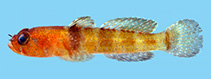
ການຖ່າຍທອດທາງກຳມະພັນຈາກພໍ່ແມ່ຫາລູກ: 1; ຄີກົ້ນຂອງປາ: 9; ສັດທີ່ມີກະດູກສັນຫຼັງ: 33 - 34. This species is distimguished by the following characters: D VI + I,10; A I,9; pectoral-fin rays 14, all rays branched; pelvic-fin rays I,5, fin separated and no frenum, fifth ray unbranched; snout short, its length 0.7 of eye diameter; anterior nostril with a long nasal tube without process from the rim, posterior nostril pore with slightly erected rim; absence of tentacle above eye; posterior angle of jaws extending posteriorly to below posterior edge of pupil; opercular spine absent; without mental frenum; pelvic fins ending at anus, longer than pectoral fin; squamation reduced to a few ctenoid scales on caudal peduncle at caudal-fin base; absence of head canals; suborbital rows of papillae with 4 transverse rows; 3 distinct preorbital rows s present from posterior nostril to above upper lip; suborbital row 3 short, extending from eye ending distantly from row d; suborbital row 4 long, curving at ventroposterior edge of eye, extending obliquely below of level of row d; suborbital row b anteriorly not reaching to below posterior edge of eye; anterior dorsal rows o and m are present. Colour of head when alive and fresh orange, with body yellowish orange and with 5 faint, vertical, brown bands (Ref. 121824).
Cross section: oval.
This species is known only from the holotype which was collected at 14-16 m depth, from a steep coral-reef sloping down to about 30 m depth, where the upper half of the slope with short steps covered with hard and soft corals, and the specimen was collected at the entrance of small with cave (Ref. 121824).
ວົງຈອນຊີວິດ ແລະພຶດຕິກໍາການຫາຄູ່
ການຈະເລີນເຕັມໄວ | ການສືບພັນ | ການວາງໄຂ່ | ໄຂ່ | ຄວາມດົກຂອງໄຂ່ປາ | ຕົວອ່ອນ
Kovačić, M., S.V. Bogorodsky and A.O. Mal, 2019. Two new species of Hetereleotris (Perciformes: Gobiidae) from the Red Sea. Zootaxa 4608(3):501-516. (Ref. 121824)
ສະຖານະພາບບັນຊີແດງຂອງ IUCN (Ref. 130435: Version 2025-2 (Global))
ໄພຂົ່ມຂູ່ຕໍ່ມະນຸດ
Harmless
ການນໍາໃຊ້ຂອງມະນຸດ
ເຄື່ອງມື
ບົດລາຍງານພິເສດ
ດາວໂຫລດ XML
ແຫຼ່ງອີນເຕີເນັດ
ການຄາດຄະເນໂດຍອີງໃສ່ແບບຈໍາລອງ
ດັດຊະນີຄວາມຫຼາກຫຼາຍທາງຊີວະພາບ (ເອກະສານອ້າງອີງ
82804): PD
50 = 0.5000 [Uniqueness, from 0.5 = low to 2.0 = high].
Bayesian length-weight: a=0.00741 (0.00347 - 0.01582), b=3.09 (2.91 - 3.27), in cm total length, based on LWR estimates for this (Sub)family-body shape (Ref.
93245).
ຊັ້ນເຂດຮ້ອນ (ເອກະສານອ້າງອີງ
69278): 3.0 ±0.3 se; based on size and trophs of closest relatives
ຄວາມຢືດຢຸ່ນ (ເອກະສານອ້າງອີງ
120179): ສູງ, ປະຊາກອນຕຳ່ສຸດທີ່ໃຊ້ເວລາສອງໜ້ອຍກວ່າ 15 ເດືອນ (Preliminary K or Fecundity.).
ຄວາມສ່ຽງຕໍ່ການຫາປາ (Ref.
59153): Low vulnerability (10 of 100).
🛈