Ελασμοβράγχιοι (καρχαρίες και σαλάχια) (sharks and rays) >
Carcharhiniformes (Ground sharks) >
Carcharhinidae (Requiem sharks)
Etymology: Carcharhinus: karcharos (Gr.), sharp or jagged; rhinus, an ancient name for sharks, from rhine (Gr.), rasp, both words alluding to a shark's jagged, rasp-like skin (See ETYFish); hemiodon: hemi-, from hemisys (Gr.), half; odon (Gr.), tooth, allusion not explained, perhaps referring to how teeth on upper jaw are serrated basally and smooth distally (See ETYFish).
Περιβάλλον: περιβάλλον / κλιματική ζώνη / εύρος βάθους / εύρος διανομής
Οικολογία
Θαλασσινό(ά); Υφάλμυρο βενθικό(ς); αμφίδρομο (Ref. 51243); εύρος βάθους 10 - 150 m (Ref. 106604). Deep-water; 25°N - 13°S
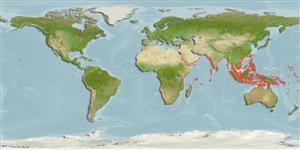
Indo-West Pacific: Gulf of Oman to Pakistan, India, and possibly Sri Lanka. Scattered localities from the eastern Indian Ocean and the western Pacific ranging from India to New Guinea.
Μέγεθος / Βάρος / Ηλικία
Γεννητική Ωρίμανση: Lm ? range ? - ? cm
Max length : 200 cm TL αρσενικό/απροσδιόριστο; (Ref. 9997)
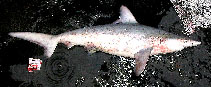
Ραχιαίες άκανθες (συνολικά) : 0; Εδρικές άκανθες: 0. Grey above, white below, with the tips of the pectorals, and upper and lower caudal-fin lobes black; other fins dusky (Ref. 9997).
Body shape (shape guide): fusiform / normal.
A little-known shark found on the continental and insular shelves (Ref. 244). Reports from river mouths and rivers are based on old records that need verification (Ref. 9997). Probably feeds on small fishes, cephalopods, and crustaceans (Ref. 9997). Viviparous (Ref. 50449). Utilized fresh for human consumption (Ref. 9997).
Κύκλος ζωής και συμπεριφορά ζευγαρώματος
Γεννητική Ωρίμανση | Αναπαραγωγή | Γεννοβολία | Αβγά | Γονιμότητα | Προνύμφες
Distinct pairing with embrace (Ref. 205). Viviparous, placental (Ref. 50449).
Compagno, L.J.V., 1984. FAO Species Catalogue. Vol. 4. Sharks of the world. An annotated and illustrated catalogue of shark species known to date. Part 2 - Carcharhiniformes. FAO Fish. Synop. 125(4/2):251-655. Rome: FAO. (Ref. 244)
Κατάσταση Κόκκινου Καταλόγου IUCN (Ref. 130435: Version 2025-2 (Global))
Ανθρώπινες χρήσεις
αλιεία: παραδοσιακή αλιεία
Εργαλεία
Ειδικές εκθέσεις
Λήψη XML
Διαδικτυακές πηγές
Εκτιμήσεις βάσει μοντέλων
Προτιμώμενη θερμοκρασία (Αναφ.
123201): 25.2 - 29.1, mean 28.3 °C (based on 844 cells).
Δείκτης φυλογενετικής ποικιλότητας (Αναφ.
82804): PD
50 = 0.5000 [Uniqueness, from 0.5 = low to 2.0 = high].
Bayesian length-weight: a=0.00525 (0.00244 - 0.01130), b=3.07 (2.90 - 3.24), in cm total length, based on LWR estimates for this Genus-body shape (Ref.
93245).
Τροφικό Επίπεδο (Αναφ.
69278): 4.2 ±0.58 se; based on food items.
Ελαστικότητα (Αναφ.
120179): Χαμηλό, ελάχιστος χρόνος για διπλασιασμό πληθυσμού 4,5 - 14 έτη (Fec assumed to be <100).
Ευπάθεια στην αλιεία (Ref.
59153): Very high vulnerability (90 of 100).
🛈