>
Eupercaria/misc (Various families in series Eupercaria) >
Sparidae (Porgies)
Etymology: Acanthopagrus: Greek, akantha = thorn + Greek, pagros, a kind of fish (Ref. 45335).
Eponymy: Alfred Dunbavin Butcher (1915–1990) was an Australian zoologist. [...] (Ref. 128868), visit book page.
محیط زیست: محیط زیست / منطقه آب و هوایی / تغييرات عمق / محدوده توزیع
بوم شناسي
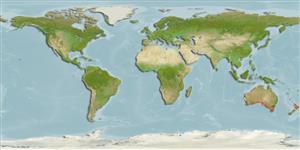
دريايي; آب شيرين; لب شور نزديك كف زي. Subtropical; 25°S - 44°S, 112°E - 154°E
Indo-Pacific: endemic to southern Australia.
طول در اولین بلوغ / اندازه / وزن / سن
بلوغ: Lm ?, range 16 - ? cm
Max length : 60.0 cm TL جنس نر / بدون خواص جنسي; (Ref. 2156); common length : 24.0 cm TL جنس نر / بدون خواص جنسي; (Ref. 2156); بيشينه وزن گزارش شده: 4.0 kg (Ref. 26523); بيشينه سن گزارش شده: 29 سال ها (Ref. 36820)
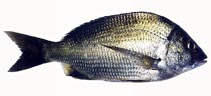
خارهاي باله پشتي (کل) : 10 - 13; شعاع نرم باله پشتي (کل) : 10 - 13; خارهاي باله مخرجي: 3; شعاع نرم باله مخرجي: 8 - 10. The upper body can vary from silvery to golden brown, bronze, green or black depending on habitat. Chin and belly are usually white and fins are dusky to greenish black. Dorsal and ventral profiles of adults are similarly convex.
Body shape (shape guide): fusiform / normal; Cross section: compressed.
Endemic in coastal areas, rivers and estuaries of Australia. Most abundant in river mouths and estuaries (Ref. 28468, 28472). Inhabit brackish waters of coastal rivers and lakes, occasionally penetrating fresh water (Ref. 44894). Considered as the only true estuarine sparid in Australia. Larvae and small juveniles are most abundant over seagrass beds in shallow estuarine waters (Ref. 28468, 28472). Spawning period varies considerably between estuaries (Ref. 28468). Remain upstream in sheltered waters to spawn and is not usually found in purely marine habitats (Ref. 44894). Feed on shellfish, worms, crustaceans, small fish and algae. Sold as whole, chilled products in domestic markets (Ref. 6390). One of top angling species in southern Australia (Ref. 6390, 44894), as well as being a delicious table fish (Ref. 2156).
It is not known whether there is any sex inversion in black bream (Ref. 6390).
Kailola, P.J., M.J. Williams, P.C. Stewart, R.E. Reichelt, A. McNee and C. Grieve, 1993. Australian fisheries resources. Bureau of Resource Sciences, Canberra, Australia. 422 p. (Ref. 6390)
وضعيت در فهرست قرمز IUCN (Ref. 130435: Version 2025-2 (Global))
خطر برای انسان ها
Harmless
استفاده انسانی
ماهي گيري – شيلات: تجاري; ماهي ها ي سرگرم كننده: بله
ابزارها
گزارش های ويژه
بارگيری XML
منابع اينترنتي
تخمینها بر اساس مدلها
دمای ترجیحی (مرجع
123201): 14.7 - 20.6, mean 17.6 °C (based on 126 cells).
شاخص تنوع فیلوژنتیکی (مرجع
82804): PD
50 = 0.5000 [Uniqueness, from 0.5 = low to 2.0 = high].
Bayesian length-weight: a=0.01259 (0.01139 - 0.01391), b=3.03 (3.00 - 3.06), in cm total length, based on LWR estimates for this species (Ref.
93245).
سطح تروفیک (مرجع
69278): 3.5 ±0.53 se; based on food items.
Generation time: 4.1 (3.7 - 6.9) years. Estimated as median ln(3)/K based on 16
growth studies.
جهندگی (مرجع
120179): پايين ، كم, كمينه زمان لازم براي دو برابر شدن جمعيت 5/4 – 14 سال (K=0.11; tm=2-5; tmax=29).
آسیبپذیری ماهیگیری (Ref.
59153): Moderate vulnerability (41 of 100).
🛈
مواد مغذی (Ref.
124155): Calcium = 76.4 [42.1, 142.3] mg/100g; Iron = 1.07 [0.62, 1.89] mg/100g; Protein = 20 [19, 21] %; Omega3 = 0.36 [0.25, 0.57] g/100g; Selenium = 21.1 [10.4, 38.9] μg/100g; VitaminA = 9.49 [3.31, 24.31] μg/100g; Zinc = 0.832 [0.594, 1.137] mg/100g (wet weight);