ກຸ່ມປາກະດູກອ່ອນ (ເຊັ່ນ: ປາສະຫລາມ, ປາຜາໄລ) (sharks and rays) >
Myliobatiformes (Stingrays) >
Dasyatidae (Stingrays) > Hypolophinae
Etymology: Pastinachus: Latin, pastinaca = a sting ray (Ref. 45335).
Taxonomic Remarks
This species which is similar to Pastinachus ater, an Indo-West Pacific species, is found only in Northwestern Indian Ocean. Erroneous information will be deleted.
ສະພາບແວດລ້ອມ: ສະພາບແວດລ້ອມ / ເຂດດິນຟ້າອາກາດ / ລະດັບຄວາມເລິກ / ຂອບເຂດການແຈກຢາຍ
ນິເວດວິທະຍາ
ສັດທະເລ; ນ້ຳຈືດ; ນ້ຳກ່ອຍ ກ່ຽວກັນຫີນ; ປາທີ່ມີການເຄື່ອນຍ້າຍຈາກທະເລໄປຫານ້ຳຈືດ ແລະນ້ຳຈືດຫາທະເລ (Ref. 51243); ລະດັບຄວາມເລິກ 0 - 60 m (Ref. 6871). Tropical
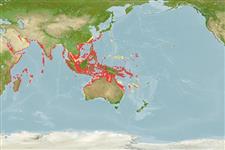
Northwestern Indian Ocean: Red Sea to Pakistan.
ຄວາມຍາວໃນການເຕີບໂຕເຕັມຄັ້ງທໍາອິດ / ຂະໜາດ / ນ້ຳໜັກ / ອາຍຸ
ການຈະເລີນເຕັມໄວ: Lm 98.0, range 96 - 100 cm
Max length : 183 cm WD ຕົວຜູ້/ບໍ່ມີເພດ; (Ref. 37816); common length : 65.0 cm WD ຕົວຜູ້/ບໍ່ມີເພດ; (Ref. 27550)
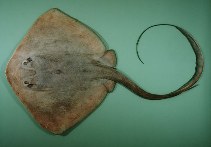
ຄີ (ໜາມ)ແຂງຢູ່ຫຼັງປາ (ທັງໝົດ) : 0. A large, plain, dark stingray with an angular snout and pectoral disc; tail long and broad-based, less than twice body length, and with no upper caudal finfold but with high lower caudal finfold- 2 to 3 times depth of tail but not reaching tail tip; no large thorns; 1 or 2 long stings on tail, further behind tail base than in most stingrays; unique hexagonal, high-crowned teeth (Ref. 5578). Dark brown or black dorsally without conspicuous markings, white ventrally (Ref. 5578). Tail black (Ref. 3263).
Body shape (shape guide): other.
Found in lagoons, reef flats, and reef faces (Ref. 12951). Also in rivers far from the sea (Ref. 5578). Feeds on bony fishes, worms, shrimp, and crabs (Ref. 12951). Ovoviviparous (Ref. 50449). Adults are sometimes accompanied by remoras or members of the trevally family (Ref. 6871). Size at birth about 18 cm WD or larger (Ref. 6871). Flesh utilized as food and skin used for polishing wood (Ref. 4832). Possibly caught by sports anglers (Ref. 5578). Recently there is a targeted fishery on this species for its skin, which is used as 'shagreen' in fashion accessories, from wallets to fancy pens; as a result, the species is in danger of disappearance (IHT 26.11.2005, p.5). Maximum length about 300 cm TL (Ref. 30573).
ວົງຈອນຊີວິດ ແລະພຶດຕິກໍາການຫາຄູ່
ການຈະເລີນເຕັມໄວ | ການສືບພັນ | ການວາງໄຂ່ | ໄຂ່ | ຄວາມດົກຂອງໄຂ່ປາ | ຕົວອ່ອນ
Exhibit ovoviparity (aplacental viviparity), with embryos feeding initially on yolk, then receiving additional nourishment from the mother by indirect absorption of uterine fluid enriched with mucus, fat or protein through specialised structures (Ref. 50449). Distinct pairing with embrace (Ref. 205). Size at birth ~ 18 cm WD (Ref.58048).
Last, P.R. and J.D. Stevens, 1994. Sharks and rays of Australia. CSIRO, Australia. 513 p. (Ref. 6871)
ສະຖານະພາບບັນຊີແດງຂອງ IUCN (Ref. 130435: Version 2025-2 (Global))
ໄພຂົ່ມຂູ່ຕໍ່ມະນຸດ
Venomous
ການນໍາໃຊ້ຂອງມະນຸດ
ການປະມົງ: ທີ່ເປັນການຄ້າໜ້ອຍ; ຕູ້ປາ: ເປັນສີນຄ້າ
ເຄື່ອງມື
ບົດລາຍງານພິເສດ
ດາວໂຫລດ XML
ແຫຼ່ງອີນເຕີເນັດ
ການຄາດຄະເນໂດຍອີງໃສ່ແບບຈໍາລອງ
ອຸນຫະພູມທີ່ຕ້ອງການ (ເອກະສານອ້າງອີງ
123201): 24.7 - 29.1, mean 28.2 °C (based on 1694 cells).
ດັດຊະນີຄວາມຫຼາກຫຼາຍທາງຊີວະພາບ (ເອກະສານອ້າງອີງ
82804): PD
50 = 0.5312 [Uniqueness, from 0.5 = low to 2.0 = high].
Bayesian length-weight: a=0.01000 (0.00244 - 0.04107), b=3.04 (2.81 - 3.27), in cm total length, based on all LWR estimates for this body shape (Ref.
93245).
ຊັ້ນເຂດຮ້ອນ (ເອກະສານອ້າງອີງ
69278): 3.7 ±0.60 se; based on food items.
ຄວາມຢືດຢຸ່ນ (ເອກະສານອ້າງອີງ
120179): ຕຳ່ຫຼາຍ, ປະຊາກອນຕຳ່ສຸດທີ່ໃຊ້ເວລາສອງເທົ່າຫຼາຍກວ່າ 14 ປີ (Assuming Fec<10).
ຄວາມສ່ຽງຕໍ່ການຫາປາ (Ref.
59153): Very high vulnerability (90 of 100).
🛈
ທາດອາຫານ (Ref.
124155): Calcium = 8.51 [1.64, 34.97] mg/100g; Iron = 0.364 [0.085, 0.964] mg/100g; Protein = 22.9 [19.9, 26.0] %; Omega3 = 0.102 [0.029, 0.298] g/100g; Selenium = 31.4 [9.0, 84.2] μg/100g; VitaminA = 33 [12, 99] μg/100g; Zinc = 0.851 [0.416, 1.706] mg/100g (wet weight);