>
Clupeiformes (Herrings) >
Dorosomatidae (Gizzard shads and sardinellas)
Etymology: Herklotsichthys: After Janus Adrian Herklots, Australian ichthyologist, 1820-1872.
Eponymy: Dr Geoffrey Alton Craig Herklots (1902–1986) was a British biologist, botanist and ornithologist at the University of Hong Kong (1928–1941). [...] (Ref. 128868), visit book page.
More on author: Rüppell.
ສະພາບແວດລ້ອມ: ສະພາບແວດລ້ອມ / ເຂດດິນຟ້າອາກາດ / ລະດັບຄວາມເລິກ / ຂອບເຂດການແຈກຢາຍ
ນິເວດວິທະຍາ
ສັດທະເລ; ນ້ຳຈືດ; ນ້ຳກ່ອຍ ກ່ຽວກັນຫີນ; ລະດັບຄວາມເລິກ 0 - 13 m (Ref. 82332). Tropical; 39°N - 33°S, 29°E - 166°W (Ref. 188)
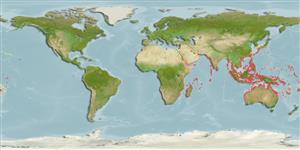
Indo-Pacific: widespread in Indian Ocean and western Pacific, including entire eastern coast of Africa, Madagascar, Mauritius eastward to Japan, eastern Australia, and Samoa (Ref. 188). Introduced into Hawaii, apparently by accident, and now abundant (Ref. 188). At least one country reports adverse ecological impact after introduction.
ຄວາມຍາວໃນການເຕີບໂຕເຕັມຄັ້ງທໍາອິດ / ຂະໜາດ / ນ້ຳໜັກ / ອາຍຸ
ການຈະເລີນເຕັມໄວ: Lm 12.3, range 7 - 17 cm
Max length : 25.0 cm SL ຕົວຜູ້/ບໍ່ມີເພດ; (Ref. 48635); common length : 10.0 cm SL ຕົວຜູ້/ບໍ່ມີເພດ; (Ref. 188)
ຄີ (ໜາມ)ແຂງຢູ່ຫຼັງປາ (ທັງໝົດ) : 0; ຄີຫຼັງຂອງປາ (ຄີອ່ອນ) (ທັງໝົດ) : 16 - 23; ຄີ(ໜາມ) ແຂງຢູ່ຄີກົ້ນປາ
ກຸ່ມປາກະດູກແຂງ
ຄວາມຖີ່ຂອງກຸ່ມຖ່າຍທອດພັນ
ປາທີ່ມີການເຄື່ອນຍ້າຍຈາກທະເລໄປຫານ້ຳຈືດ ແລະນ້ຳຈືດຫາທະເລ
ປາທີ່ມີການເຄື່ອນຍ້າຍຈາກທະເລແລະໄປໄຂ່ຢູ່ນ້ຳຈືດ
ຄີກົ້ນຂອງປາ
ສັດທີ່ມີກະດູກສັນຫັຼງ
ການຖ່າຍທອດທາງກຳມະພັນຈາກພໍ່ແມ່ຫາລູກ: 0; ຄີກົ້ນຂອງປາ: 15 - 21. Diagnosis: Body slender, its depth 18 to 30% of standard length; presence of two fleshy outgrowths on the hind margin of the gill opening; sharp belly with keeled scutes, 16-19 pre-pelvic and 12-14 post-pelvic scutes (Ref. 188, 3259). The presence of elongate wing-like scales underneath the normal paired pre-dorsal scales separate it from all other species except the two Australian species with prominent black spots on the flank, Herklotsichthys koningsbergeri and Herklotsichthys Species A, and the unspotted Herklotsichthys Species B, which has dusky tips to dorsal and caudal fins and more lower gill rakers, 36-42 vs. 33-36 in H. quadrimaculatus (Ref. 188). Flank silvery with an electric blue line preceded by two orange spots (Ref. 188).
Body shape (shape guide): fusiform / normal; Cross section: oval.
Adults form schools near mangroves, shallow coastal bays and lagoons during the day and moves further offshore into deeper water by night (Ref. 188, 48635); at depths of 0-13m (Ref. 58302, 82332). Known in mills around in large schools under wharves or along sandy beaches in protected bays (Ref. 26367). Pelagic (Ref. 58302). Adults feed on zooplankton, mainly at night, chiefly copepods in juvenile stages, but larger prey as adults (chaetognaths, polychaetes, shrimps and small fishes) (Ref. 188). Breeding takes place during the first year and probably survives only a few months after maturity (Ref. 188). Migratory behaviour is undetermined (Ref. 126106). Marketed fresh and dried salted (Ref. 188). Usually parceled in leaves and baked in a motu oven. Do not recover quite as quickly as other species of baitfish after heavy fishing (Ref. 26367).
Oviparous (Ref. 205). Breeds during its first year and probably survives only a few months after maturity (Ref. 188).
Whitehead, P.J.P., 1985. FAO Species Catalogue. Vol. 7. Clupeoid fishes of the world (suborder Clupeoidei). An annotated and illustrated catalogue of the herrings, sardines, pilchards, sprats, shads, anchovies and wolf-herrings. FAO Fish. Synop. 125(7/1):1-303. Rome: FAO. (Ref. 188)
ສະຖານະພາບບັນຊີແດງຂອງ IUCN (Ref. 130435: Version 2025-2 (Global))
ໄພຂົ່ມຂູ່ຕໍ່ມະນຸດ
Potential pest (Ref. 6362)
ການນໍາໃຊ້ຂອງມະນຸດ
ການປະມົງ: ທີ່ເປັນການຄ້າໜ້ອຍ; ເຍື່ອ: usually
ເຄື່ອງມື
ບົດລາຍງານພິເສດ
ດາວໂຫລດ XML
ແຫຼ່ງອີນເຕີເນັດ
ການຄາດຄະເນໂດຍອີງໃສ່ແບບຈໍາລອງ
ອຸນຫະພູມທີ່ຕ້ອງການ (ເອກະສານອ້າງອີງ
123201): 24.9 - 29.3, mean 28.5 °C (based on 3173 cells).
ດັດຊະນີຄວາມຫຼາກຫຼາຍທາງຊີວະພາບ (ເອກະສານອ້າງອີງ
82804): PD
50 = 0.5002 [Uniqueness, from 0.5 = low to 2.0 = high].
Bayesian length-weight: a=0.00933 (0.00571 - 0.01526), b=3.10 (2.96 - 3.24), in cm total length, based on LWR estimates for this species & (Sub)family-body (Ref.
93245).
ຊັ້ນເຂດຮ້ອນ (ເອກະສານອ້າງອີງ
69278): 3.6 ±0.4 se; based on diet studies.
Generation time: 1.1 ( na - na) years. Estimated as median ln(3)/K based on 1
growth studies.
ຄວາມຢືດຢຸ່ນ (ເອກະສານອ້າງອີງ
120179): ສູງ, ປະຊາກອນຕຳ່ສຸດທີ່ໃຊ້ເວລາສອງໜ້ອຍກວ່າ 15 ເດືອນ (K=2.6).
ຄວາມສ່ຽງຕໍ່ການຫາປາ (Ref.
59153): Low vulnerability (17 of 100).
🛈
ຄວາມສ່ຽງດ້ານສະພາບອາກາດ (Ref.
125649): High vulnerability (58 of 100).
🛈
ທາດອາຫານ (Ref.
124155): Calcium = 121 [63, 259] mg/100g; Iron = 1.42 [0.68, 2.55] mg/100g; Protein = 19.8 [18.5, 21.1] %; Omega3 = 0.215 [0.106, 0.453] g/100g; Selenium = 40.7 [18.6, 93.2] μg/100g; VitaminA = 42.4 [13.2, 139.7] μg/100g; Zinc = 1.82 [1.16, 2.83] mg/100g (wet weight);